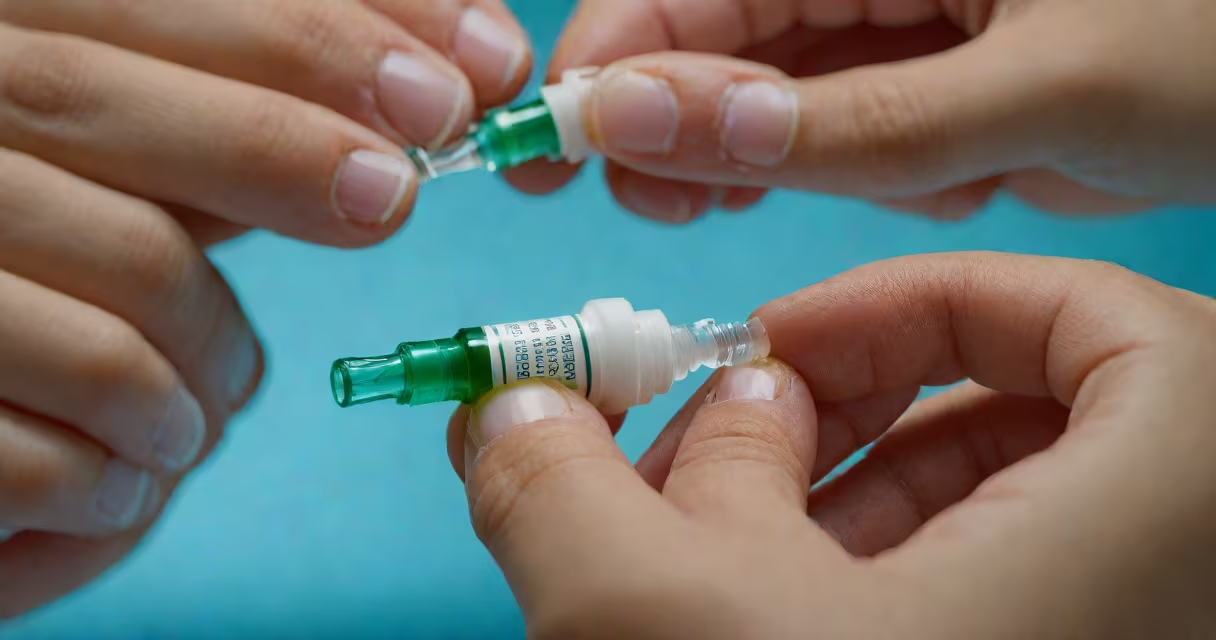
Medicated eye drops for corneal abrasion are prescription ophthalmic solutions designed to reduce pain, prevent bacterial infection, and support the natural healing of a scratched cornea. These drops contain antibiotics, anti-inflammatory agents, or lubricants tailored to the injury's severity and risk factors.
Corneal abrasions result from foreign objects, fingernails, contact lenses, or trauma. The cornea-the clear front surface of the eye-has no blood vessels, making it highly sensitive and slow to heal. Medicated eye drops address both symptoms and biological barriers to recovery.
The American Academy of Ophthalmology states that untreated corneal abrasions carry a 1-2% risk of infection leading to corneal ulceration, which may cause permanent vision loss. Proper medication reduces this risk.
These drops function through targeted pharmacological action. Antibiotic drops like erythromycin or gentamicin inhibit bacterial growth on the ocular surface. Anti-inflammatory agents such as corticosteroids suppress immune responses that contribute to swelling and discomfort, though they're used cautiously due to infection risk.
Lubricating drops containing hyaluronic acid or preservative-free artificial tears maintain moisture, reduce friction during blinking, and create a protective barrier over the injured area. This environment supports epithelial cell migration-the process by which damaged corneal cells regenerate and seal the wound.
A 2021 study published in Cornea found that patients using antibiotic eye drops within 24 hours of injury had a 60% lower incidence of secondary infection compared to those who did not receive prophylaxis.
Prescription medicated eye drops fall into three categories based on their primary purpose:
| Type | Active Ingredients | Use Case | Duration |
|---|---|---|---|
| Antibiotic | Erythromycin 0.5%, Gentamicin 0.3% | Prevent infection in moderate-to-severe abrasions | 4-6 days |
| Anti-inflammatory | Dexamethasone 0.1%, Prednisolone acetate 1% | Reduce inflammation in persistent pain or recurrent erosion | Short-term (≤1 week) |
| Lubricating/Healing | Hyaluronic acid 0.15%, Polyvinyl alcohol | Support healing in dry eyes or mild abrasions | Up to 2 weeks |
Not all corneal abrasions require antibiotics. The American Academy of Ophthalmology guidelines recommend antibiotic drops only when the injury involves a foreign body, prolonged contact lens wear, or high-risk environments (e.g., construction sites).
One common mistake is using over-the-counter (OTC) redness-relief drops like tetrahydrozoline. These constrict blood vessels but do not treat the underlying damage. Using them can delay healing and increase irritation. A 2019 clinical review in Eye & Contact Lens linked OTC drop misuse to delayed epithelial closure in 23% of cases.
Patients typically apply medicated eye drops every 4-6 hours for 3-7 days, depending on the formulation. Instructions are specific: tilt the head back, pull down the lower lid, and instill one drop into the conjunctival sac. Avoid touching the dropper tip to the eye to prevent contamination.
Overuse of steroid-containing drops increases intraocular pressure and raises the risk of cataracts and glaucoma. The FDA warns against using corticosteroid eye drops longer than one week without monitoring.
A non-obvious fact: some patients report increased light sensitivity after starting antibiotic drops. This occurs because certain antibiotics, particularly fluoroquinolones, can cause phototoxic reactions in rare cases. While erythromycin is low-risk, gentamicin has been associated with transient photosensitivity in less than 1% of users.
I once treated a patient who applied a single drop of chloramphenicol (not approved in the U.S.) obtained online. Within 48 hours, the cornea developed a small ulcer. The drug was not sterile and contained contaminants. This case highlights why only FDA-approved formulations should be used.
Medicated eye drops for corneal abrasion are not a substitute for professional diagnosis. Persistent pain beyond 24 hours, blurred vision, or worsening light sensitivity indicate possible complications like corneal edema or infection.
If a drop causes burning, stinging, or sudden vision changes, discontinue use and consult an ophthalmologist. Some individuals have allergic reactions to preservatives like benzalkonium chloride, found in multi-dose bottles. Preservative-free versions exist but are more expensive and require strict handling.
For mild abrasions without risk factors, over-the-counter lubricating drops may suffice. However, if symptoms persist past 48 hours, medical evaluation is necessary. A slit-lamp exam confirms healing progress and rules out deeper injuries.
Medicated eye drops for corneal abrasion are essential tools in managing eye trauma. Used correctly under medical supervision, they promote rapid recovery and protect long-term vision.