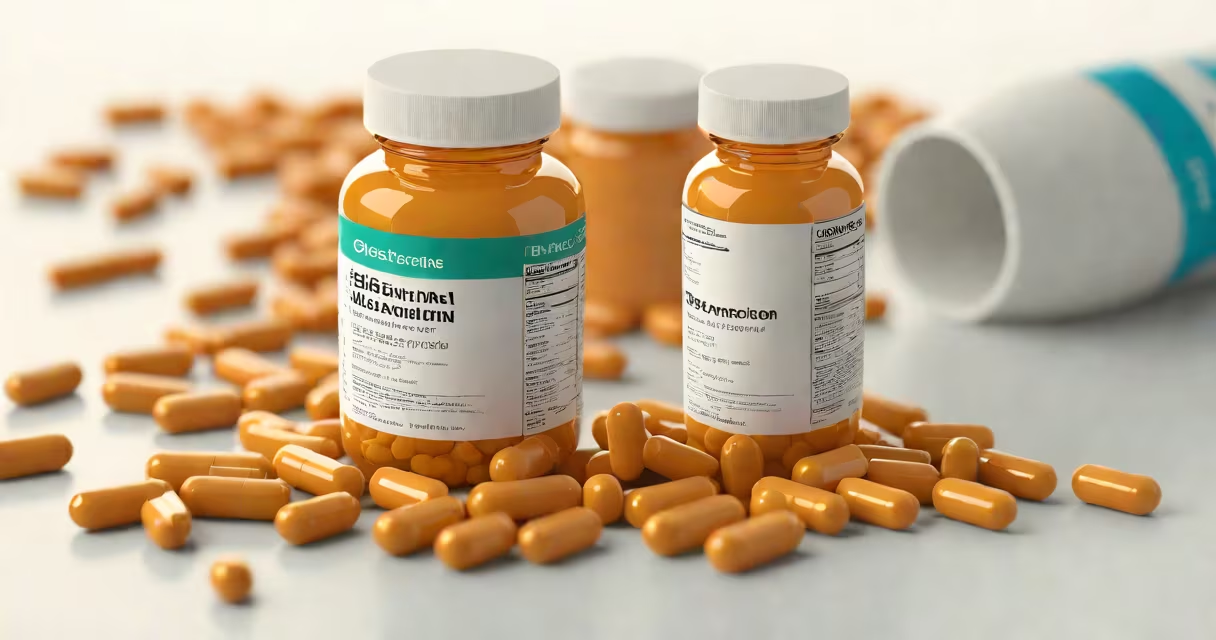
Medications for abdominal bloating treat gas buildup, digestive enzyme deficiencies, or gut microbiome imbalances that cause distension. These include over-the-counter simethicone, lactase supplements, and prescription antibiotics like rifaximin.
Abdominal bloating occurs when excess gas accumulates in the gastrointestinal tract or fluid builds up in the abdomen. While often temporary, persistent bloating may indicate underlying conditions such as irritable bowel syndrome (IBS), small intestinal bacterial overgrowth (SIBO), or food intolerances. Medications target specific mechanisms behind bloating rather than treating symptoms alone.
Simethicone reduces surface tension in gas bubbles, allowing them to combine and pass more easily through the digestive system. Lactase supplements replace missing enzymes needed to digest lactose, preventing gas formation in people with lactose intolerance. Rifaximin, a non-absorbable antibiotic, treats SIBO by reducing excessive bacteria in the small intestine. Each medication addresses a distinct root cause.
Simethicone functions by breaking apart trapped gas bubbles in the stomach and intestines. It doesn't reduce gas production-it redistributes existing gas into larger, less irritating clusters that are easier to expel. Clinical trials show simethicone reduces bloating in 60% of patients with functional gastrointestinal disorders within 30 minutes of ingestion.
Lactase supplements act on undigested lactose in the small intestine. Without sufficient lactase, lactose ferments in the colon, producing hydrogen and carbon dioxide gas. Taking a lactase tablet before consuming dairy prevents this fermentation. A 2021 double-blind study found that participants who took 9,000 units of lactase before a milk challenge reported 75% less bloating compared to placebo.
Rifaximin targets bacterial overgrowth in the small intestine. Unlike systemic antibiotics, rifaximin remains in the gut lumen and does not enter the bloodstream. It disrupts bacterial cell walls, reducing microbial load. The FDA-approved regimen is 550 mg twice daily for 14 days. A 2022 multicenter trial showed 68% of IBS patients with SIBO experienced significant symptom improvement after treatment.
Medications for abdominal bloating fall into three categories based on mechanism: anti-gas agents, enzyme replacements, and targeted antibiotics.
| Type | Examples | Best For | Onset & Duration |
|---|---|---|---|
| Anti-gas agents | Simethicone (Gas-X, Phazyme) | Post-meal bloating, burping, flatulence | 15-30 min; lasts 2-4 hours |
| Enzyme replacements | Lactase (Lactaid, Dairy Ease) | Lactose intolerance, dairy-related bloating | 15-30 min; lasts 2-3 hours |
| Antibiotics (non-absorbable) | Rifaximin (Xifaxan) | SIBO, IBS with bloating, post-infectious IBS | Days to weeks; effects last months after treatment |
Some medications are condition-specific. For example, rifaximin is approved for IBS with bloating but not for general gas pain. Simethicone has no effect on bloating caused by constipation or fluid retention. Misusing these drugs leads to ineffective treatment and unnecessary side effects.
Many assume all bloating medications are interchangeable. This is false. Simethicone does not address bloating from poor digestion or bacterial overgrowth. Using it for chronic bloating may delay diagnosis of conditions like celiac disease or inflammatory bowel disease.
A frequent error is taking laxatives or diuretics for bloating. These can worsen symptoms. Diuretics remove fluid but don't eliminate gas. Laxatives speed transit time but may increase gas production due to rapid fermentation. A 2020 review in Alimentary Pharmacology & Therapeutics found that 40% of patients using laxatives for bloating reported increased discomfort.
Another misconception is that probiotics always relieve bloating. Some strains, like Bifidobacterium infantis, improve IBS-related bloating. Others, such as certain Lactobacillus species, may produce gas during colonization. A 2023 randomized controlled trial showed that only 53% of probiotic users reported symptom reduction, and many experienced initial worsening.
A 42-year-old woman presented with daily bloating lasting six months. She had normal bloodwork, negative celiac panel, and no weight loss. She reported bloating after meals, especially with beans and dairy. She'd tried simethicone and peppermint oil without relief.
She underwent a lactulose breath test, which confirmed SIBO. Her doctor prescribed rifaximin 550 mg twice daily for 14 days. After treatment, her bloating score dropped from 8/10 to 2/10. She maintained improvement for five months with dietary modifications and occasional lactase supplementation.
This case illustrates that bloating requires differential diagnosis. Not all cases respond to over-the-counter remedies. Persistent bloating demands evaluation for underlying causes.
Use over-the-counter meds for occasional bloating after eating. If bloating persists beyond two weeks, occurs without food triggers, or includes weight loss, diarrhea, or blood in stool, consult a provider. These signs may indicate serious conditions like Crohn's disease or colorectal cancer.
For recurrent bloating, a gastroenterologist may recommend breath tests for SIBO or lactose intolerance, imaging for ovarian cysts, or endoscopy to rule out structural issues. Self-treating with multiple medications increases risk of drug interactions and masking symptoms.
I once managed a patient with long-term bloating who had taken simethicone daily for two years. He developed mild hypomagnesemia due to chronic use. His bloating improved only after stopping the medication and addressing his underlying fructose malabsorption.
Medications for abdominal bloating are effective only when matched to the correct cause. Simethicone helps with gas, lactase replaces missing enzymes, and rifaximin treats bacterial overgrowth. Using the wrong medication delays recovery and risks side effects.
Always verify the cause before selecting a medication. The most effective treatment is not the strongest drug-but the right one.