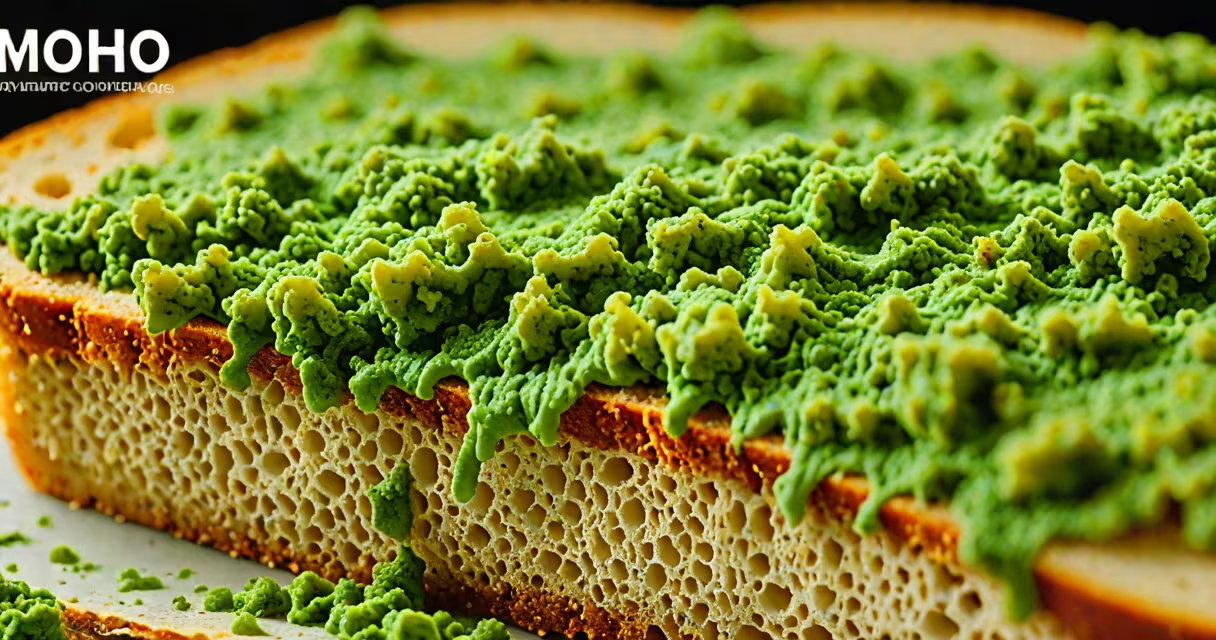
The Spanish word for "mold" is "moho," used to describe the fuzzy growth that forms on food, walls, or damp surfaces. In medical or scientific contexts, "moho" refers to fungi that grow in moist environments.
"Moho" is the standard term in both Spain and Latin America. For example, "Hay moho en el pan" means "There is mold on the bread." The word appears in everyday language, health warnings, and household cleaning instructions.
When discussing specific types, such as black mold, the phrase "moho negro" is used. In construction or indoor air quality discussions, "moho" often appears alongside terms like "humedad" (humidity) and "ventilación" (ventilation).
Spanish speakers use "moho" to describe visible fungal growth, especially on organic materials. It's not limited to food-it applies to walls, ceilings, and bathroom tiles. The word carries a negative connotation due to health risks and property damage.
For example, a homeowner might say: "El baño tiene moho debajo del fregadero," meaning "The bathroom has mold under the sink." This usage reflects real-world concerns about moisture and hygiene.
Scientifically, "moho" refers to members of the phylum Zygomycota or Ascomycota. In microbiology, researchers may refer to "esporas de moho" (mold spores) when discussing airborne allergens.
While "moho" is the primary term, regional differences exist. In some Latin American countries, people may use "moho" interchangeably with "hongos," though "hongos" is broader and includes mushrooms and other fungi.
| English Term | Spanish Equivalent | Usage Context |
|---|---|---|
| mold | moho | general use, food, walls |
| black mold | moho negro | health hazard, remediation |
| blue mold | moho azul | cheese, damp wood |
| mold spores | esporas de moho | medical, environmental reports |
One non-obvious distinction: "moho" is countable in Spanish. You can say "tres mohos" (three molds) when referring to different species or instances. This differs from English, where "mold" is typically uncountable.
Some learners confuse "moho" with "moho" spelled differently or with similar-sounding words. "Mojado" means "wet," not mold. "Moflete" refers to a cheek or jowl. These are unrelated and should not be mixed up.
A frequent error is using "moho" to describe something that is merely dirty or dusty. For example, saying "el libro tiene moho" when the book is just dusty is incorrect. "Moho" specifically implies biological growth, not surface grime.
Another mistake is assuming "moho" is always harmful. While many molds produce allergens, some are used intentionally-like in blue cheese production. In Spanish, "moho" still describes the fungus, but context clarifies intent.
In a case reported by the Consumer Reports, a tenant in Madrid discovered mold behind a shower curtain. The landlord initially dismissed it as "suciedad" (dirt). The tenant corrected them: "Es moho, no es suciedad. Puede causar problemas respiratorios." ("It's mold, not dirt. It can cause respiratory problems.")
This exchange shows how "moho" functions in legal and health contexts. Using the correct term enables clearer communication with landlords, inspectors, and doctors.
I once encountered mold in a rented apartment in Barcelona. The walls were damp, and patches of greenish-gray growth appeared near the window. I documented it with photos and wrote: "Hay moho en la pared del dormitorio. Necesito que lo limpien antes de que empeore." ("There is mold on the bedroom wall. I need it cleaned before it gets worse.")
Using "moho" precisely helped me get a faster response from the landlord. The term carried urgency and specificity that "suciedad" or "mancha" (stain) lacked.
To understand "mold translate to spanish" fully, consider related vocabulary:
These terms appear in home maintenance guides, medical consultations, and environmental safety documents. Knowing them improves comprehension and communication.
Understanding "mold translate to spanish" as "moho" ensures accuracy in daily conversation, health reporting, and technical documentation. Always verify context-especially when discussing safety or property issues.