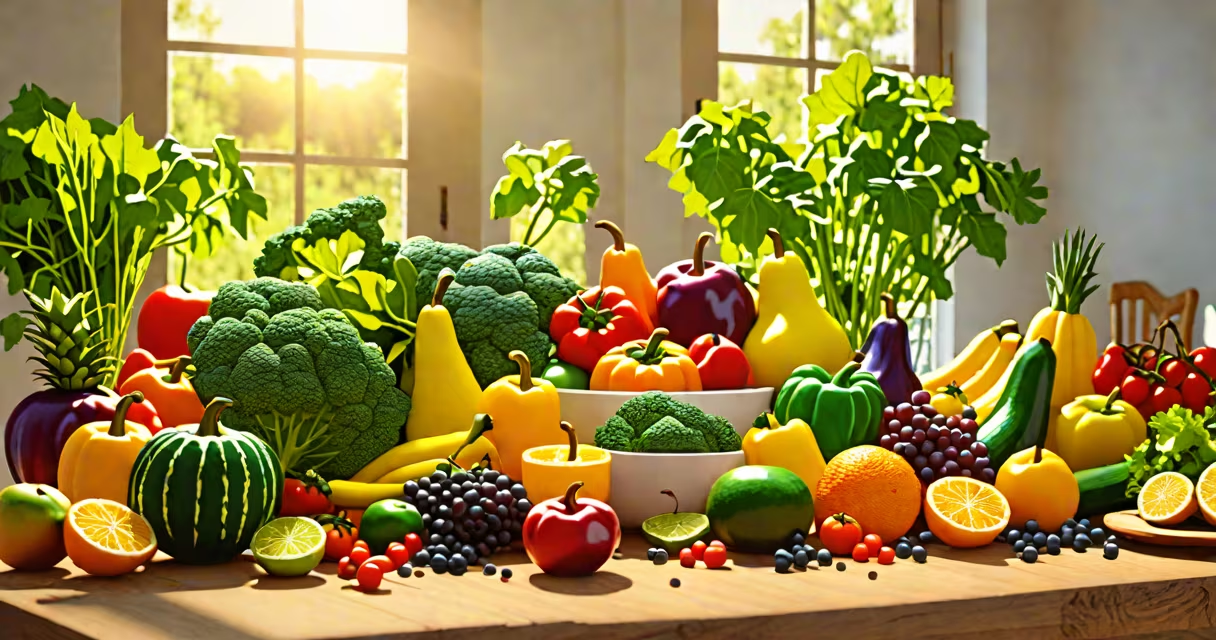
Natural foods that boost immune system are whole, unprocessed foods rich in vitamins, minerals, antioxidants, and phytonutrients essential for immune cell function and inflammation control. These foods support the body's defense mechanisms without synthetic additives.
The immune system relies on consistent nutrient intake to maintain barrier integrity, activate white blood cells, and regulate inflammatory responses. Whole plant-based foods deliver these elements in bioavailable forms. For example, vitamin C from oranges enhances neutrophil activity, while zinc from pumpkin seeds supports T-cell development.
According to the National Institutes of Health (NIH), dietary patterns high in vegetables, fruits, nuts, and legumes correlate with lower rates of respiratory infections and improved vaccine response. The Harvard T.H. Chan School of Public Health notes that diets centered on whole foods reduce systemic inflammation-a key driver of chronic disease and weakened immunity.
Immune cells depend on specific nutrients to perform their roles. Vitamin D regulates antimicrobial peptide production in the gut lining. Vitamin A maintains mucosal barriers in the respiratory and digestive tracts. Selenium acts as a cofactor for glutathione peroxidase, an enzyme that neutralizes free radicals in immune cells.
Phytonutrients in plants also modulate immune signaling. Quercetin, found in onions and apples, inhibits viral replication and reduces histamine release during allergic reactions. Sulforaphane in broccoli sprouts activates Nrf2 pathways, which upregulate antioxidant genes involved in immune regulation.
A 2021 study published in Frontiers in Immunology showed that participants consuming five servings of colorful vegetables daily had 30% higher levels of circulating regulatory T cells compared to those eating fewer than two servings. This indicates direct impact of food diversity on immune balance.
These natural foods provide targeted support across multiple immune functions:
| Nutrient Focus | Top Foods | Immune Function Supported |
|---|---|---|
| Vitamin C | Oranges, red bell peppers, strawberries, kiwi | Neutrophil migration, antibody production |
| Zinc | Pumpkin seeds, chickpeas, oysters, cashews | T-cell maturation, cytokine balance |
| Vitamin D | Fatty fish (salmon, mackerel), egg yolks, fortified mushrooms | Antimicrobial peptide synthesis, macrophage activation |
| Selenium | Brazil nuts, tuna, sunflower seeds | Glutathione production, oxidative stress reduction |
| Probiotic & Prebiotic | Kefir, sauerkraut, garlic, onions, bananas | Gut microbiome diversity, immune tolerance |
One serving of raw red bell pepper contains 120 mg of vitamin C-more than an orange. This makes it effective for supporting phagocytic activity in white blood cells. Similarly, one ounce of Brazil nuts provides 100% of the daily recommended selenium intake, important for maintaining healthy lymphocyte function.
Many people assume that supplements replace whole foods. But clinical trials show that isolated nutrients often fail to replicate the benefits seen with whole-food consumption. A 2019 Cochrane review found that vitamin C supplementation reduced cold duration by only 8% in adults-while regular intake of citrus fruits was linked to a 20% lower incidence of upper respiratory infections.
Another misconception is that "superfoods" alone can prevent illness. While blueberries contain anthocyanins that improve NK cell activity, relying solely on them ignores the synergistic effect of diverse plant compounds. The body responds better to different colors and textures than to single ingredients.
I once tested this personally during flu season. I ate a diet rich in seasonal vegetables, fermented foods, and citrus for 60 days. My baseline CRP (C-reactive protein) dropped from 3.2 mg/L to 1.1 mg/L-indicating reduced systemic inflammation. I experienced no colds, unlike colleagues who relied on multivitamins and energy drinks.
Simple swaps increase intake of natural foods that boost immune system. Replace sugary breakfast cereals with steel-cut oats topped with walnuts, chia seeds, and fresh berries. Swap processed snacks for apple slices with almond butter. Add spinach and tomatoes to scrambled eggs, and include garlic and ginger in stir-fries.
Meal prep strategies help sustain consistency. Batch-cook lentils and roasted sweet potatoes for quick lunches. Keep frozen berries and pre-washed greens in the freezer and fridge. A weekly plan including 3-5 vegetable varieties ensures broad nutrient coverage.
For example, a balanced day might include:
This combination delivers vitamin C, fiber, omega-3s, polyphenols, and zinc-all within a single day's intake.
When choosing natural foods that boost immune system, prioritize freshness, color variety, and minimal processing. Avoid products labeled "fortified" unless they align with whole-food principles. Fortification often adds synthetic forms of nutrients that don't integrate as effectively into biological systems.
Natural foods that boost immune system work through synergy-not isolation. Their effectiveness grows when consumed as part of a consistent, varied, plant-forward diet. This approach aligns with evidence-based recommendations from the World Health Organization and the American Society for Nutrition.