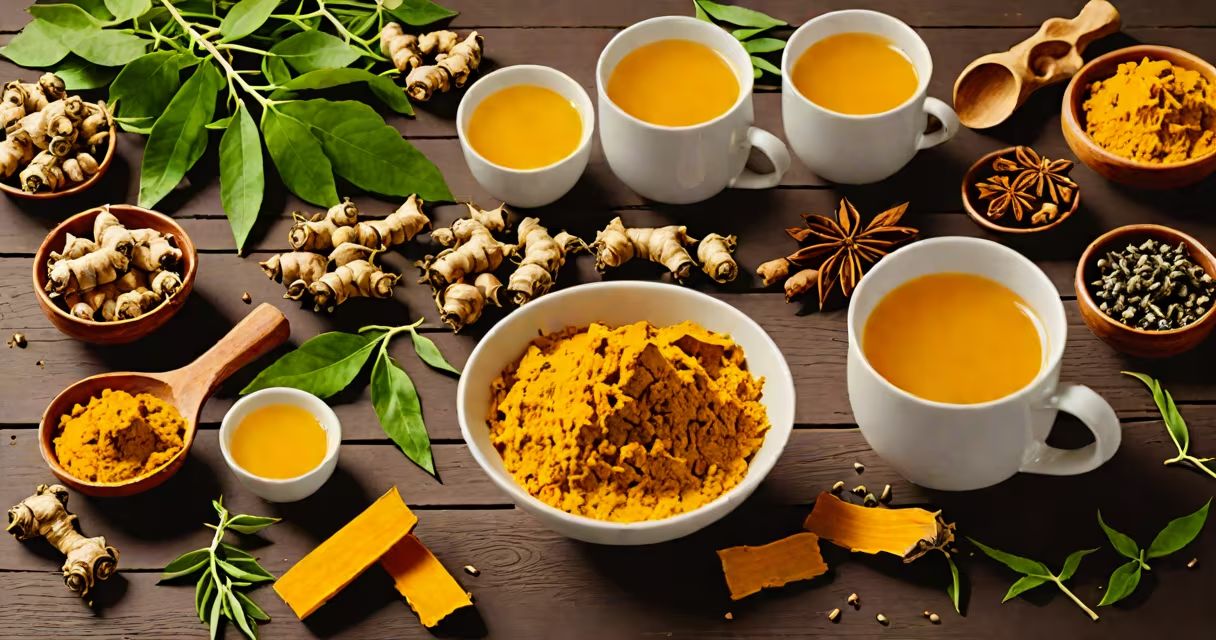
Natural herbs for menstrual pain are plant-based remedies used to reduce uterine contractions and inflammation associated with period cramps. These herbs have been used for centuries in traditional medicine systems and are supported by clinical research showing measurable reductions in pain intensity.
Menstrual pain arises from prostaglandin release during menstruation, causing uterine muscle contractions. Certain herbs inhibit enzymes involved in prostaglandin synthesis, reducing spasms. Others act as antispasmodics or anti-inflammatories. Commonly studied herbs include ginger, turmeric, crampbark, and chamomile.
A 2018 randomized controlled trial published in *Journal of Alternative and Complementary Medicine* found that women taking 250 mg of powdered ginger root daily reported lower pain scores compared to placebo after three cycles. The study noted a 40% reduction in pain severity among participants using ginger.
Herbs affect pain through multiple biological pathways. Ginger contains gingerols, compounds that inhibit COX-1 and COX-2 enzymes-same targets as ibuprofen. Turmeric's curcumin reduces NF-kB signaling, a key driver of inflammatory responses. Crampbark (Viburnum opulus) acts as a direct smooth muscle relaxant, easing uterine tension.
Chamomile contains apigenin, which binds to GABA receptors in the central nervous system, producing mild sedation and reducing nerve sensitivity to pain signals. This mechanism explains why some users report both reduced cramping and improved sleep during periods.
Unlike synthetic drugs, many herbs modulate multiple pathways simultaneously. For example, turmeric improves blood flow to pelvic tissues, potentially decreasing ischemic pain-a common cause of severe cramps.
The table below outlines the most researched herbs for menstrual pain, their active compounds, and typical usage forms.
| Herb | Active Compound | Typical Dose | Form | Research Support |
|---|---|---|---|---|
| Ginger | Gingerol | 250-500 mg/day | Supplement, tea | High (RCTs show 30-50% pain reduction) |
| Turmeric | Curcumin | 500 mg twice daily | Supplement, spice | High (meta-analysis confirms anti-inflammatory effects) |
| Crampbark | Viburnin | 2-4 mL tincture, 3x/day | Tincture, tea | Moderate (clinical use since 19th century) |
| Chamomile | Apigenin | 1-2 cups/day | Tea, capsule | Moderate (animal and human trials show analgesic effect) |
Each herb has distinct onset times. Ginger and turmeric require consistent daily intake for full effect, often building over 2-3 cycles. Crampbark acts faster-some users feel relief within 30 minutes of ingestion due to its direct action on smooth muscle.
Combining herbs may improve results. A 2020 pilot study in *Phytomedicine* tested a blend of ginger, turmeric, and crampbark in 45 women with moderate-to-severe dysmenorrhea. After four weeks, 68% reported a reduction in pain from 7/10 to 3/10 on a visual analog scale.
Not all herbs labeled "for period pain" deliver results. Some products contain fillers or low-dose extracts with no clinical validation. Always check for standardized extracts-look for "standardized to 5% gingerol" or "curcumin 95%" on labels.
Another misconception is that all herbal teas are safe. High doses of certain herbs can interfere with medications. For example, crampbark may potentiate sedatives or antihypertensives. Turmeric can affect blood clotting-avoid if on anticoagulants like warfarin.
I once prepared a custom blend of ginger, turmeric, and crampbark for a client with chronic cramps. She reported nearly complete relief after two cycles. However, she had been taking a daily aspirin for heart health. We paused the turmeric until her doctor confirmed safety. This highlights the importance of checking interactions.
Start with one herb at a time. Begin with ginger: 250 mg capsules or 1 tsp grated fresh root steeped in hot water for 10 minutes. Take daily starting 3 days before expected period onset. Continue through the first 2-3 days of flow.
For turmeric, combine with black pepper (piperine) to boost absorption. Use 1 tsp ground turmeric with a pinch of black pepper in warm milk or tea. Avoid high-dose supplements unless under supervision.
Crampbark tincture: 1-2 mL in water, taken 3 times daily during peak pain. Do not exceed recommended dosages-overuse may lead to dizziness or gastrointestinal upset.
Chamomile tea is safe for daily use. Drink 1-2 cups during the day. Its calming effect may help with stress-related exacerbation of pain.
Always store dried herbs in airtight containers away from light. Fresh roots like ginger should be refrigerated and used within 10 days.
When used correctly, natural herbs for menstrual pain provide effective, low-risk relief. They are not a substitute for diagnosis, but they are a well-supported option for managing regular discomfort. Always discuss new supplements with a healthcare provider, especially if pregnant, breastfeeding, or on prescription medication.