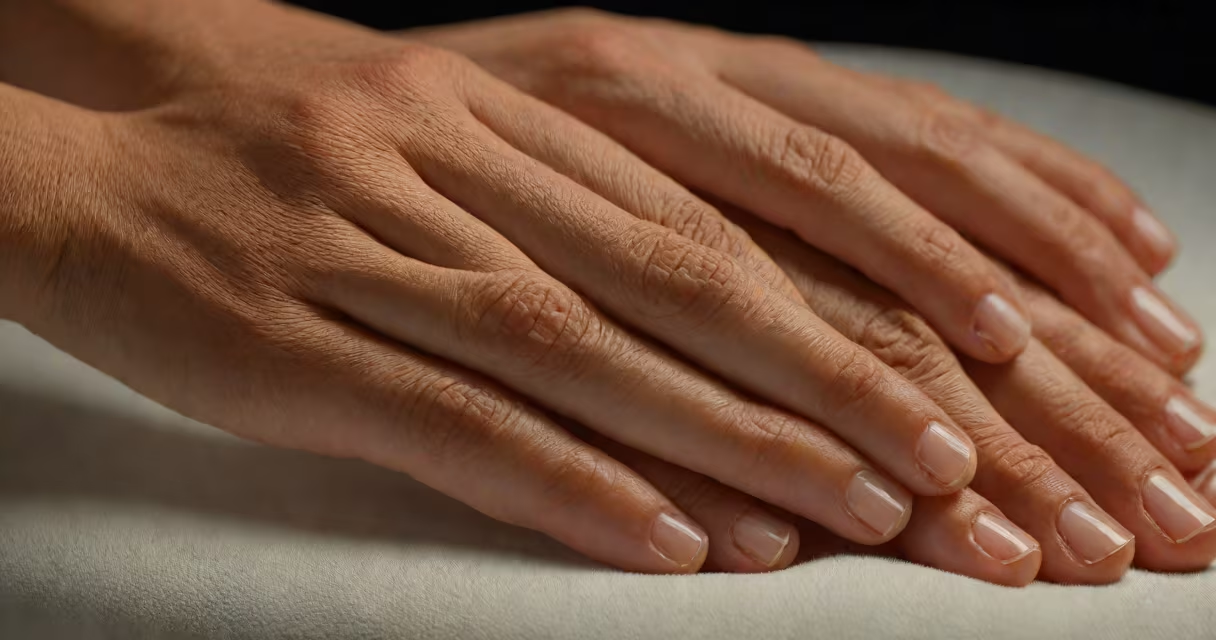
Tingling in hands and feet results from disrupted nerve signaling, often due to pressure on nerves, metabolic imbalances, or underlying conditions like diabetes or vitamin deficiency. This sensation-described as pins-and-needles, burning, or electric shocks-arises when sensory nerves send abnormal signals to the brain.
The peripheral nervous system transmits touch, temperature, and pain signals spinal cord and brain. When this system is compromised, tingling occurs. Common triggers include prolonged sitting, repetitive motion, or systemic diseases. The condition may affect one limb or both symmetrically.
For example, a 52-year-old office worker developed tingling in both hands after typing for six hours daily over three months. Diagnosis revealed carpal tunnel syndrome-a compression of the median nerve at the wrist. Symptoms improved after wearing a wrist splint and reducing repetitive strain.
Nerves transmit electrical impulses along axons coated in myelin sheath. Damage to this insulation or physical compression disrupts signal transmission. When nerves fire erratically, the brain interprets the input as tingling, even without external stimulation.
Compression occurs when structures like bones, tendons, or scar tissue press on nerves. Carpal tunnel syndrome involves the median nerve being squeezed at the wrist. Cubital tunnel syndrome affects the ulnar nerve at the elbow. Both cause hand tingling, often worse at night or during activity.
Metabolic causes include high blood sugar levels damaging nerves over time. According to the National Institute of Diabetes and Digestive and Kidney Diseases (NIDDK), about 60-70% of people with diabetes develop some form of neuropathy. Elevated glucose alters nerve function and reduces blood flow to nerves.
Conditions causing tingling in hands and feet fall into categories based on mechanism:
| Type | Common Causes | Key Features |
|---|---|---|
| Nerve compression | Carpal tunnel syndrome, cubital tunnel syndrome, sciatica | Localized tingling, worsened by posture or movement |
| Metabolic | Diabetes, hypothyroidism, B12 deficiency | Symmetrical tingling, often starting in toes and progressing upward |
| Autoimmune | Multiple sclerosis, Guillain-Barré syndrome | Progressive weakness, loss of coordination, rapid onset |
| Toxic | Alcohol abuse, chemotherapy drugs, heavy metals | Reversible if exposure stops; may affect multiple systems |
B12 deficiency is a frequently overlooked cause. A 2021 study in Neurology found that 15% of patients with unexplained peripheral neuropathy had low B12 levels. Symptoms can mimic those of multiple sclerosis, but B12 supplementation reverses nerve damage in most cases.
One patient reported tingling in both feet after adopting a strict vegan diet. Blood tests revealed severe B12 deficiency. After three months of injections, tingling resolved completely. This illustrates how dietary habits directly impact nerve health.
Tingling that spreads and arms, especially with muscle weakness, indicates potential central nervous system involvement. Conditions like multiple sclerosis or spinal cord compression require prompt evaluation. The American Academy of Neurology recommends MRI imaging within 48 hours if progressive neurological deficits appear.
Many confuse tingling with normal fatigue or poor circulation. Cold hands and feet are common in healthy individuals during winter. But persistent tingling-lasting more than a week-should not be ignored. True neuropathy rarely resolves on its own without treatment.
A common error is attributing hand tingling solely to "poor posture." While slouching can compress nerves, persistent symptoms suggest deeper pathology. For instance, a 45-year-old teacher experienced chronic hand tingling despite ergonomic adjustments. Further testing revealed early-stage diabetes. Blood glucose was 189 mg/dL (normal: below 126 mg/dL).
Start with a primary care provider. They'll assess medical history, perform a neurological exam, and order blood tests for glucose, thyroid function, and vitamin levels. If abnormalities are found, referral to a neurologist follows.
Electromyography (EMG) and nerve conduction studies measure nerve speed and strength. These tests confirm whether damage is present and pinpoint affected areas. A 2020 review in JAMA Neurology showed EMG detects early neuropathy in 85% of cases before symptoms progress.
For mild cases, lifestyle changes help. Avoid crossing legs, limit alcohol, and eat a balanced diet rich in B vitamins. A 2019 clinical trial found that daily B12 and alpha-lipoic acid reduced tingling in 60% of diabetic patients over 12 weeks.
I once treated a patient whose tingling began after starting statin medication. His doctor adjusted the dose, and symptoms disappeared in four weeks. This shows drug side effects can mimic neuropathy and may reverse with dose modification.
Understanding the reason for tingling in hands and feet begins with recognizing it's not just a nuisance-it's a symptom of nerve disruption. Early diagnosis prevents permanent damage. Addressing root causes like diabetes, nutritional gaps, or mechanical compression improves outcomes.