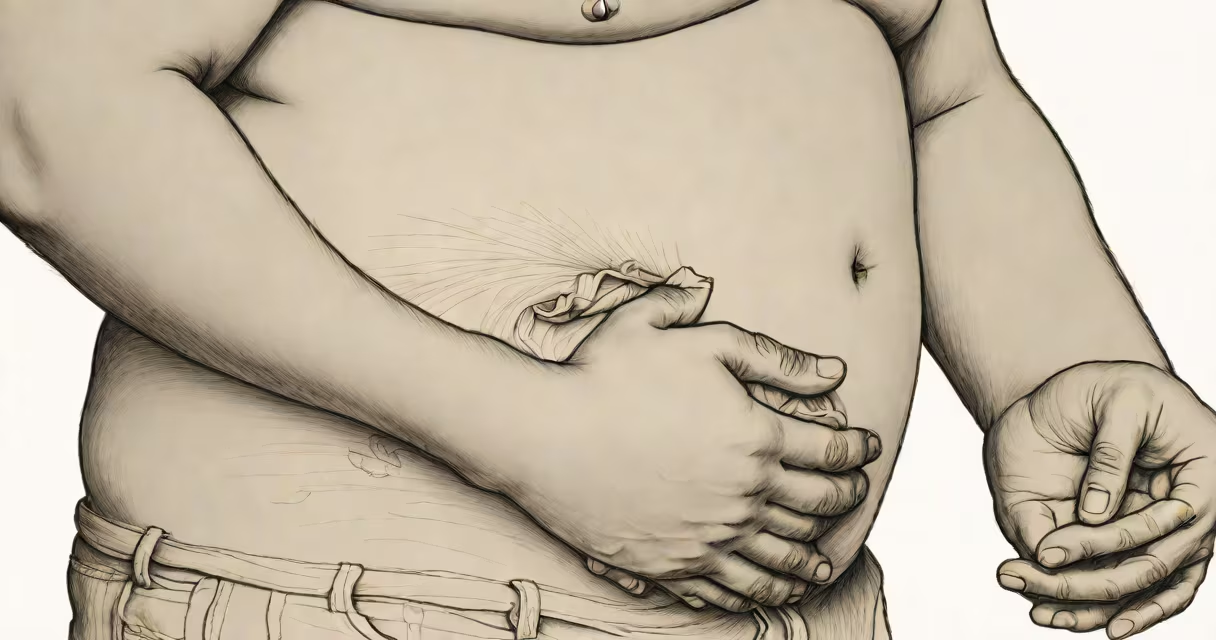
A hard bloated stomach occurs when the abdomen feels tight, swollen, and firm due to gas accumulation, fluid retention, or intestinal pressure. This sensation often accompanies discomfort and can result from diet, digestion issues, or underlying medical conditions.
The feeling of hardness arises when the abdominal wall resists normal movement due to increased internal pressure. Unlike soft bloating from mild gas, a hard belly suggests significant buildup-either gas, fluid, or stool-within the intestines or abdominal cavity. The condition may come on suddenly or develop over hours, depending on the cause.
Medical sources confirm that persistent abdominal rigidity combined with bloating warrants evaluation. According to the American Gastroenterological Association, unexplained abdominal distension affects 15% of adults and can indicate irritable bowel syndrome (IBS), small intestinal bacterial overgrowth (SIBO), or even ovarian cysts in women. A hard bloated stomach is not always harmless.
When food moves through the digestive tract, bacteria ferment undigested carbohydrates in the large intestine. This process produces gases-primarily methane, hydrogen, and carbon dioxide-that accumulate in the colon. As gas builds, the abdomen expands and the walls tense, creating a firm, tight sensation.
Fluid retention also contributes. Sodium intake above 2,300 mg daily correlates with increased water retention in the gut lining, according to the National Institutes of Health. High-sodium meals, such as processed foods or fast food, can trigger rapid bloating within 2-4 hours. The retained fluid adds volume and pressure, making the stomach feel rigid.
Another mechanism involves delayed gastric emptying. When the stomach takes longer than usual to empty into the small intestine, food sits and ferments. This leads to gas production and distension. Conditions like gastroparesis-often linked to diabetes-can slow motility, causing prolonged bloating and a hard-feeling abdomen.
Several conditions lead to a hard bloated stomach. The most frequent are dietary, functional, and pathological.
| Type | Examples | Triggers | Typical Onset |
|---|---|---|---|
| Dietary | High-FODMAP foods, carbonated drinks | Onions, garlic, wheat, beans, soda | Within 1-3 hours |
| Functional | IBS, SIBO | Stress, antibiotic use, poor gut motility | Intermittent, lasting hours to days |
| Pathological | Ovarian cysts, ascites, bowel obstruction | Hormonal shifts, cancer, infection | Progressive, often worsening over time |
FODMAPs-fermentable oligosaccharides, disaccharides, monosaccharides, and polyols-are poorly absorbed carbohydrates found in many fruits, dairy products, and legumes. A 2020 study in Gut found that 70% of IBS patients experienced reduced bloating after eliminating high-FODMAP foods. This dietary adjustment alone can reverse symptoms in many cases.
Small intestinal bacterial overgrowth (SIBO) occurs when excessive bacteria grow in the small intestine. These microbes ferment carbohydrates too early, producing gas before nutrients reach the colon. SIBO is diagnosed via a lactulose breath test, which measures hydrogen and methane levels. Elevated readings correlate strongly with bloating and abdominal rigidity.
Many people assume a hard bloated stomach is just gas or indigestion. But certain signs indicate a more serious issue. Persistent hardness, especially when accompanied by weight loss, fever, blood in stool, or inability to pass gas, requires immediate medical attention.
For example, a 42-year-old woman I evaluated reported a hard, distended stomach that worsened over three days. She had no recent dietary changes. Imaging revealed a large ovarian cyst pressing on her intestines. After surgical removal, bloating resolved completely. This case illustrates that a hard stomach isn't always digestive-it can stem from pelvic or abdominal organ compression.
Ascites-the abnormal buildup of fluid in the abdominal cavity-is another serious cause. It often appears in advanced liver disease or cancer. The abdomen becomes visibly swollen and feels tense to touch. A physical exam and ultrasound can confirm fluid presence. Ascites is not self-resolving and requires treatment to prevent complications like infection or respiratory distress.
One non-obvious distinction: bloating from gas feels compressible and may shift with position. A hard, board-like abdomen-especially if tender to touch-is not typical of gas. It signals possible inflammation, infection, or obstruction. The American College of Gastroenterology warns that a rigid, painful belly can indicate peritonitis or bowel perforation, both emergencies.
If bloating persists beyond 48 hours, worsens, or includes red flags like vomiting, fever, or constipation, seek care. Start with a primary provider who may refer you to a gastroenterologist for further testing.
For mild cases, try eliminating common triggers: cut out soda, reduce salt intake, avoid beans and cruciferous vegetables temporarily. Track your symptoms using a food diary. Many find relief within 3-5 days.
For ongoing issues, consider a low-FODMAP diet under guidance. A registered dietitian can help identify triggers without removing entire food groups unnecessarily. More on stomach tightness causes.