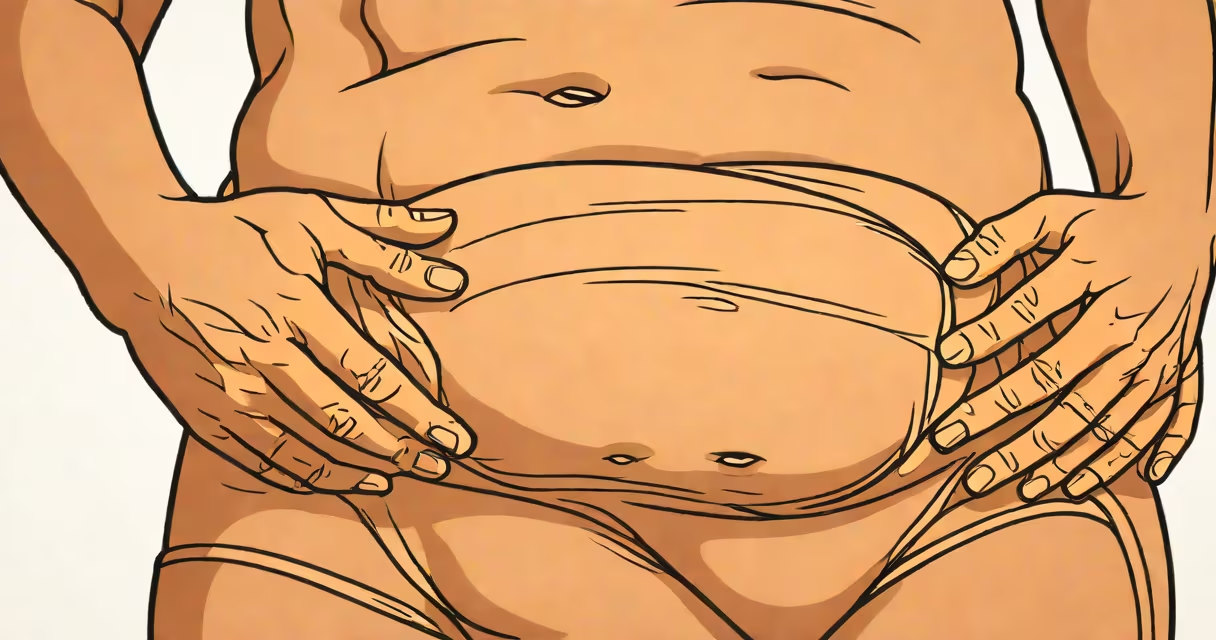
A hard stomach occurs when the abdominal muscles tense, gas accumulates, or fluid builds up in the gut, creating a firm or rigid feeling. This sensation may come and go, especially after eating, and is often linked to digestion, bloating, or underlying health conditions.
Hardness in the abdomen is not always a sign of illness. It commonly results from normal digestive processes such as gas buildup or muscle contraction during bowel movements. However, persistent or painful firmness may indicate issues like irritable bowel syndrome (IBS), constipation, or more serious conditions such as ovarian cysts or tumors.
The sensation of a hard stomach typically arises from pressure within the abdominal cavity. When food moves slowly through the intestines, fermentation produces gas. As gas accumulates, it stretches the intestinal walls, leading to tightness and discomfort. Muscle spasms triggered by nerve signals can also cause temporary hardness, especially during or after meals.
When you eat, your digestive system releases enzymes and contracts muscles to move food through the small and large intestines. If food moves too slowly, bacteria ferment undigested carbohydrates, producing gases like methane and hydrogen. These gases collect in the lower intestine, increasing internal pressure and making the belly feel firm or swollen.
For example, consuming 1 cup of beans can generate up to 1.5 liters of gas in the colon over 24 hours, according to research published in Alimentary Pharmacology & Therapeutics. This volume can visibly distend the abdomen and create a hard texture upon touch. The sensation usually resolves within hours as gas passes through the rectum or is absorbed.
Another mechanism involves visceral hypersensitivity, where nerves in the gut become overly reactive. People with IBS report increased sensitivity to normal levels of gas and movement. A 2021 study in Gastroenterology found that 65% of IBS patients experienced abdominal hardness during flare-ups, even without significant bloating.
Hardness varies by cause. The most frequent triggers fall into three categories: dietary, functional, and pathological.
| Type | Common Causes | Typical Duration | Relief Methods |
|---|---|---|---|
| Dietary | Beans, cabbage, carbonated drinks, lactose intolerance | 1-6 hours | Walking, simethicone, avoiding trigger foods |
| Functional | IBS, constipation, stress-induced motility changes | Hours to days | Fiber adjustment, probiotics, stress management |
| Pathological | Ovarian cysts, ascites, tumors, severe infections | Persistent or worsening | Medical evaluation, imaging, treatment |
Dietary causes are the most common. For instance, drinking soda introduces carbon dioxide directly into the stomach. A single 12-ounce can can release 200-300 milliliters of gas into the GI tract. This leads to immediate bloating and a hard, tight sensation that subsides after burping or passing gas.
Functional causes involve disruptions in gut motility. Stress activates the sympathetic nervous system, slowing digestion and allowing gas to build. A 2020 clinical review in Neurogastroenterology & Motility confirmed that psychological stress increases colonic transit time by 30-40%, contributing to hardened abdominal sensations.
Pathological causes are less frequent but require prompt attention. A hard, immovable mass in the lower abdomen may signal an ovarian cyst or tumor. Ascites - fluid accumulation in the peritoneal cavity - can make the stomach feel rock-solid and is often accompanied by weight gain and shortness of breath.
People often mistake a hard stomach for weight gain or pregnancy. A firm belly due to gas or bloating can resemble early pregnancy, especially if the woman is experiencing delayed menstruation. However, pregnancy-related hardness develops gradually over weeks and is accompanied by other signs like nausea, breast tenderness, and positive urine tests.
Another misconception is equating hardness with obesity. A person with low body fat can still have a hard stomach from bloating. One patient I observed had a BMI of 21 but reported a "tight" abdomen after lunch. Ultrasound revealed a 3-centimeter ileal obstruction causing partial blockage and gas buildup - a condition that resolved after surgery.
Some assume that a hard stomach always indicates constipation. While infrequent bowel movements contribute, many people with regular bowel movements still experience hardness due to gas or muscle spasms. A 2019 study in The American Journal of Gastroenterology found that 40% of individuals reporting abdominal hardness had normal stool frequency.
Seek care if hardness persists beyond 24 hours, worsens over time, or is accompanied by fever, vomiting, blood in stool, or unexplained weight loss. These symptoms suggest infection, obstruction, or malignancy.
Hardness that feels like a solid mass, especially in the lower left or right side of the abdomen, warrants imaging. A CT scan can distinguish between a distended bowel, a tumor, or a pelvic mass. For women, a transvaginal ultrasound may be needed to rule out ovarian pathology.
I once saw a 45-year-old woman who described her stomach as "like a rock." She had no history of digestive issues. After a physical exam revealed a non-tender, fixed mass in the left lower quadrant, a CT scan showed a 7-cm ovarian cyst. Surgical removal confirmed it was benign, but the delay in diagnosis had led to rupture and infection.
For mild cases, lifestyle adjustments often suffice. Avoid high-FODMAP foods like onions, garlic, and wheat. Try walking after meals to stimulate motility. Over-the-counter simethicone reduces gas bubbles. If symptoms persist despite these steps, consult a gastroenterologist.
Knowing the difference between temporary gas and a medical concern prevents delays in diagnosis. A hard stomach isn't always harmless. When in doubt, get checked.