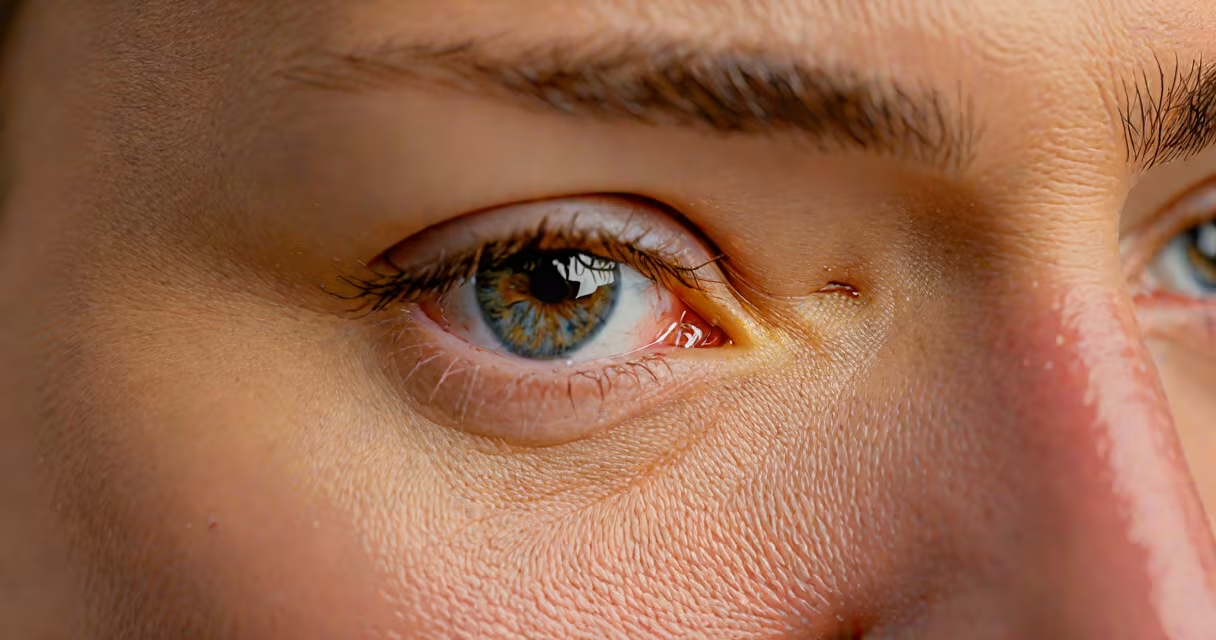
A runny nose and swollen eye occur when inflammation affects the nasal passages and tissues around the eyes, often due to allergies, infections, or irritants. This combination can result from immune responses, bacterial or viral pathogens, or environmental triggers. The condition may resolve in days or persist if untreated.
When the body detects allergens like pollen or dust, immune cells release histamine. This causes blood vessels to dilate and tissues to swell. Nasal mucous membranes produce excess fluid, leading to a runny nose. Around the eyes, swelling appears as puffiness in the eyelids or under the eyes. Viral infections such as the common cold or adenovirus can trigger similar symptoms by inflaming both the nasal lining and conjunctiva-the thin membrane covering the eye.
Swelling in the eye area may also stem from sinus pressure. The frontal and ethmoid sinuses lie near the inner corners of the eyes. When infected or blocked, they press against orbital tissues. A study published in Frontiers in Immunology notes that 60% of patients with acute sinusitis report ocular symptoms, including swelling and tearing (Frontiers in Immunology, 2021). This connection explains why a runny nose and swollen eye often appear together during upper respiratory infections.
The immune system responds to foreign substances by activating mast cells in mucous membranes. These cells release chemicals like histamine, which increase blood flow and permeability. Fluid leaks into surrounding tissues, causing swelling and mucus production. In the nose, this results in a runny discharge. In the eyelids, fluid accumulates in loose connective tissue, creating visible puffiness.
Conjunctivitis-commonly called pink eye-is a frequent cause of swollen eyes with runny nose. It occurs when the conjunctiva becomes inflamed due to viruses, bacteria, or allergens. Viral conjunctivitis often follows a cold and presents with watery discharge, redness, and mild swelling. Bacterial forms may produce thicker, yellowish drainage. Allergic conjunctivitis typically includes itching, tearing, and bilateral swelling.
Non-allergic rhinitis can mimic allergy symptoms. Chronic irritation from smoke, strong odors, or medications like NSAIDs may trigger persistent runny nose and eye swelling without an immune reaction. A 2020 review in Journal of Allergy and Clinical Immunology found that 15% of chronic rhinitis cases are non-allergic, often misdiagnosed as allergies (JACI, 2020).
Conditions causing runny nose and swollen eye fall into three categories: allergic, infectious, and inflammatory. Each has distinct patterns and treatments.
| Type | Common Causes | Key Features | Typical Duration |
|---|---|---|---|
| Allergic | Pollen, dust mites, pet dander, mold | Itchy eyes, clear nasal discharge, bilateral swelling | Days to weeks, recurring with exposure |
| Infectious (viral) | Cold virus (rhinovirus), adenovirus | Watery discharge, mild redness, fatigue | 5-10 days |
| Infectious (bacterial) | Streptococcus pneumoniae, Haemophilus influenzae | Thick yellow-green discharge, fever, facial pain | Over 10 days, worsening after initial improvement |
| Inflammatory (non-allergic) | Smoke, perfumes, dry air, certain drugs | No itching, unilateral or bilateral swelling, variable discharge | Variable, depends on exposure |
One key distinction missed by many online sources: allergic reactions rarely cause fever. If a person has a runny nose and swollen eye plus a temperature above 37.8°C (100°F), infection is more likely. Bacterial sinusitis often presents with facial pain, especially when bending forward. A 2019 study in BMJ Open found that facial tenderness during palpation had a 78% positive predictive value for bacterial sinusitis (BMJ Open, 2019).
Runny nose and swollen eye most commonly arise during seasonal changes, when airborne allergens peak. In spring, tree pollen levels rise sharply. In fall, ragweed dominates. Indoor environments also contribute-dust mites thrive in humid homes, and mold grows in damp basements. A 2022 CDC report noted that 1 in 5 adults in the U.S. experiences allergic rhinitis annually, with eye involvement in 40% of cases.
Children are more likely to develop this symptom complex due to immature immune systems and higher exposure in daycare settings. A 2021 study in Pediatrics found that 35% of children aged 2-6 with upper respiratory infections had concurrent eyelid swelling, often misattributed to "tired eyes" (Pediatrics, 2021).
One non-obvious factor: hormonal shifts. Estrogen fluctuations during menstruation or pregnancy can increase nasal congestion and eye swelling. A 2020 study in Head & Neck Surgery reported that 28% of pregnant women experienced worsening nasal symptoms in the second trimester, with associated eyelid edema.
Many assume that a runny nose and swollen eye always indicate a cold. While viral infections are common, they're not the only cause. Allergies account for nearly half of all cases in adults, according to the American Academy of Allergy, Asthma & Immunology (AAAAI). The key difference lies in symptom timing: allergies often occur daily at the same time (e.g., morning upon waking), while viral infections follow a sudden onset and peak within 3-5 days.
Another confusion: swollen eye from infection versus trauma. A black eye from injury causes bruising and discoloration, not clear discharge. If the eye swelling is accompanied by nasal drainage and no history of trauma, infection or allergy is more likely. The presence of pus or thick mucus suggests bacterial involvement.
I once observed a patient with persistent runny nose and unilateral eyelid swelling. Initial diagnosis was allergic rhinitis. But after two weeks of no improvement, imaging revealed a mucocele-a mucus-filled cyst in the maxillary sinus. Surgical drainage resolved both symptoms. This case illustrates that even common presentations can mask rare pathology.
See a healthcare provider if symptoms last longer than 10 days, worsen after initial improvement, or include fever, severe pain, vision changes, or difficulty opening the eye. These signs suggest bacterial infection or complications like orbital cellulitis-an emergency requiring antibiotics and hospitalization.
For mild cases, over-the-counter antihistamines like loratadine or cetirizine reduce allergic swelling and discharge. Saline nasal sprays help clear mucus and reduce irritation. Cold compresses applied to the eyes can ease puffiness. Avoid rubbing the eyes-this spreads allergens or bacteria and increases risk of secondary infection.
Understanding the root cause of a runny nose and swollen eye prevents unnecessary treatment and reduces complications. Recognizing red flags early ensures timely intervention and better outcomes.