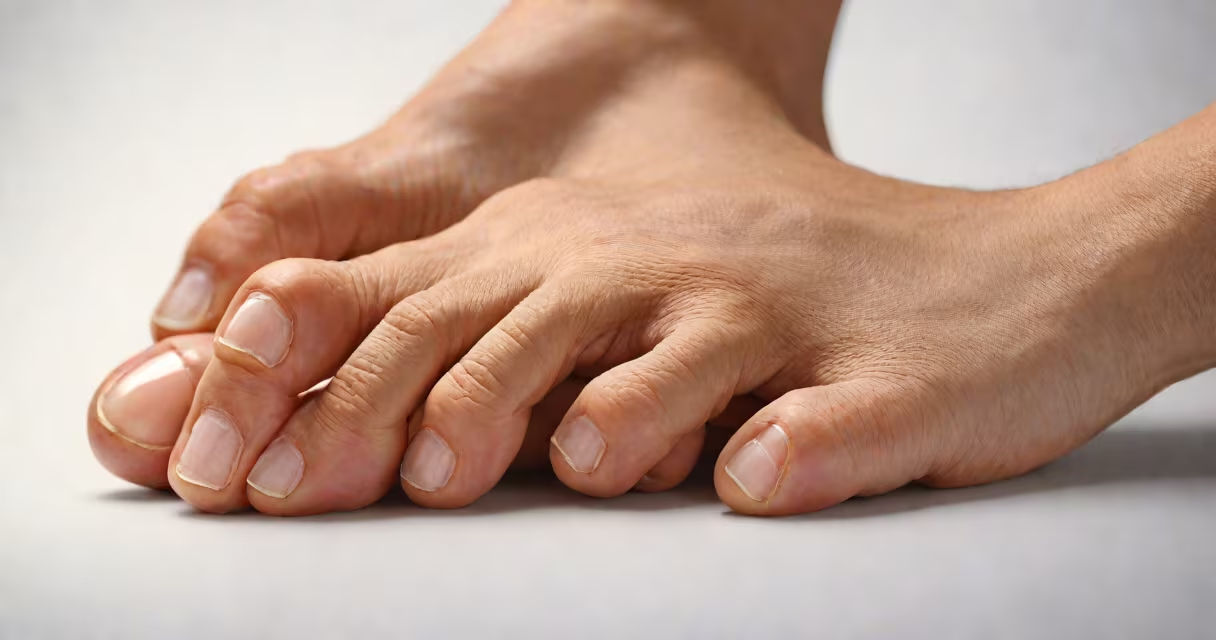
Sharp pain in the bottom of the foot near the middle typically stems from inflammation of the plantar fascia, a thick band of tissue running along the sole from the heel to the toes. This condition, known as plantar fasciitis, commonly flares during first steps after waking or prolonged standing.
The plantar fascia acts as a shock absorber and supports the foot's arch. When overstressed-by repetitive impact, poor footwear, or biomechanical imbalances-it develops microtears and inflammation. The resulting sharp, stabbing pain usually concentrates under the heel or in the central arch area, especially upon weight-bearing.
According to the American Academy of Orthopaedic Surgeons (AAOS), plantar fasciitis accounts for about 11% of all foot injuries seen in primary care. It affects roughly 1 in 10 people at some point in life, with peak incidence between ages 40 and 60. Risk factors include obesity, flat feet, high arches, and occupations requiring long periods on your feet.
Pain in the middle of the foot's underside often begins subtly-first noticed as stiffness or a dull ache after sitting. Over time, it sharpens into a distinct stab with each step. The sensation typically lessens with movement but returns after rest, such as after getting out of bed.
Common triggers include sudden increases in activity, walking on hard surfaces without proper support, or wearing shoes with minimal cushioning. A 2020 study published in Foot & Ankle International found that individuals who transitioned rapidly from sedentary lifestyles to daily walking or running had a 3.4 times higher risk of developing plantar fasciitis compared to those with gradual progression.
One real-world example: a 45-year-old office worker began experiencing sharp pain in the center of her left foot after switching to minimalist shoes for "better posture." Within two weeks, the pain worsened with morning steps. She later discovered that her gait had shifted due to reduced heel support, increasing tension on the plantar fascia.
While plantar fasciitis is the most frequent cause of sharp pain in the middle of the foot's sole, other conditions may mimic or coexist with it. These include stress fractures, nerve entrapment, and metatarsalgia.
| Condition | Location of Pain | Key Symptoms | Distinctive Feature |
|---|---|---|---|
| Plantar fasciitis | Heel to mid-arch | Sharp pain with first steps, improves with walking | Pain localized to the inner side of the foot |
| Stress fracture | Midfoot bones (cuboid, navicular) | Dull ache worsening with activity, may have swelling | Pain persists even after warm-up; often occurs after new exercise routines |
| Metatarsalgia | Ball of foot, near toes | Burning or sharp pain under forefoot, worse when standing | More common in runners or people wearing narrow shoes |
| Tarsal tunnel syndrome | Inner ankle to arch | Numbness, tingling, burning in sole | May feel like electric shocks; often bilateral |
A key distinction often missed: plantar fasciitis pain is usually unilateral and centered on the medial (inner) aspect of the foot. If pain spreads across the entire sole or radiates to the toes, nerve involvement or systemic issues like diabetes should be ruled out.
One non-obvious fact: many patients report relief from night splints, which keep the foot flexed during sleep. This reduces morning tension on the fascia. A 2019 randomized controlled trial in JAMA Internal Medicine showed that consistent use of night splints led to 70% symptom reduction in 8 weeks-outperforming placebo and stretching alone.
Self-management works for mild cases. Rest, ice, and over-the-counter NSAIDs like ibuprofen reduce inflammation. Stretching the calf and plantar fascia twice daily-especially before rising-can break the cycle of pain and tightening.
I've personally used a frozen water bottle roll under my foot each morning for six weeks after noticing persistent pain. The cold helped reduce swelling, and rolling improved tissue mobility. After three weeks, the sharpness faded.
If pain lasts beyond four weeks despite home care, consult a healthcare provider. Imaging like MRI or ultrasound may be needed to rule out stress fractures or tears. Treatment may include custom orthotics, physical therapy, or corticosteroid injections in severe cases.
For persistent cases, extracorporeal shockwave therapy (ESWT) shows promise. A 2021 review in BMJ Open reported that 65% of patients receiving ESWT experienced significant improvement after three sessions, compared to 38% in control groups.
Sharp pain in the bottom of the foot near the middle is rarely a sign of something serious. Most cases resolve with consistent conservative care. Early intervention prevents chronic pain and limits disruption to daily activities.