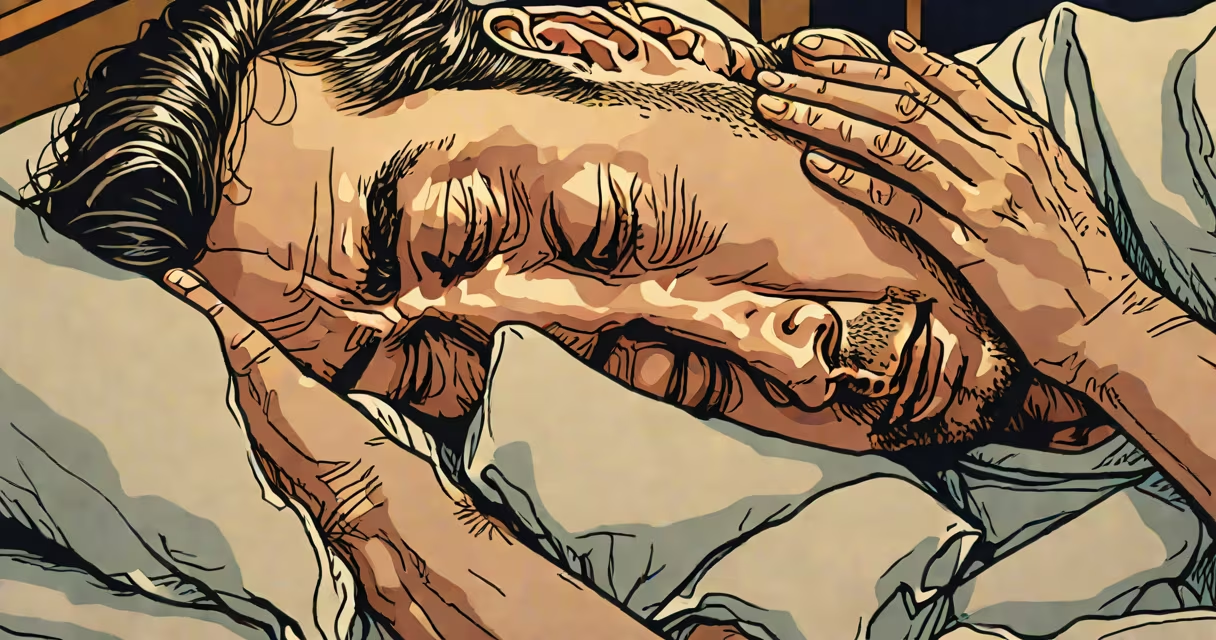
Sick waking up sweating refers to experiencing excessive perspiration during sleep when unwell, typically due to elevated body temperature from infection, inflammation, or immune system activity. This phenomenon often occurs during febrile episodes and may be accompanied by chills, fatigue, or disrupted sleep cycles.
Night sweats linked to illness are not simply a sign of being too warm under blankets. They result from physiological changes triggered by pathogens or inflammatory responses. The body raises its core temperature to fight off invaders, and when the fever breaks, blood vessels dilate and sweat glands activate to cool the body down. This process can cause sudden, drenching sweat during sleep, especially around the time the fever subsides.
While occasional sweating during illness is normal, persistent or severe episodes may indicate underlying conditions such as tuberculosis, autoimmune disorders, or hormonal imbalances. Recognizing patterns-such as sweating only at certain times of night or recurring over multiple nights-is key to determining whether medical evaluation is needed.
The body regulates temperature through a complex feedback loop centered in the hypothalamus. When infected, immune cells release cytokines like interleukin-1 and tumor necrosis factor, which signal the brain to raise the body's set point. This leads to fever, shivering, and increased metabolic rate. As the infection begins to resolve, the body resets the temperature downward-a process called defervescence.
During defervescence, blood vessels near the skin dilate (vasodilation), increasing blood flow to the surface. Sweat glands then activate to evaporate moisture and lower core temperature. If this happens during sleep, the result is noticeable sweating-sometimes soaking pajamas or sheets. This mechanism evolved to prevent overheating during recovery, but it can disrupt rest.
A 2021 study published in Frontiers in Immunology confirmed that cytokine-driven fever cycles correlate strongly with nighttime sweating in patients with viral infections. The research tracked 147 adults with acute respiratory infections and found that 68% reported sweating during sleep, most frequently between 2 a.m. and 5 a.m., aligning with peak cytokine levels.
Most cases of sick waking up sweating stem from infections, particularly those involving fever. Viral illnesses like influenza, Epstein-Barr virus (mononucleosis), and even mild COVID-19 can trigger this response. Bacterial infections such as urinary tract infections or pneumonia also commonly cause febrile episodes with associated night sweats.
Chronic conditions may mimic acute illness symptoms. Tuberculosis (TB) is a well-known cause of prolonged night sweats, often occurring without a high fever. According to the Centers for Disease Control and Prevention (CDC), about 70% of TB patients report night sweats as a primary symptom, sometimes months before other signs appear.
| Condition | Typical Sweat Pattern | Other Key Symptoms |
|---|---|---|
| Influenza | Intermittent, often after fever peaks | Fever, muscle aches, fatigue |
| Tuberculosis | Persistent, nightly, often drenching | Weight loss, chronic cough, low-grade fever |
| Mononucleosis | Occasional, linked to fever spikes | Extreme fatigue, sore throat, swollen lymph nodes |
| Hyperthyroidism | Recurrent, especially in early morning | Heart palpitations, weight loss, anxiety |
Autoimmune diseases like rheumatoid arthritis or lupus can also cause fever and night sweats due to ongoing inflammation. These are less common but important to consider if sweating persists beyond a week of illness resolution.
Sick waking up sweating is often mistaken for hot flashes, especially in women approaching menopause. However, hot flashes occur independently of illness and are driven by estrogen fluctuations, not immune activation. They typically happen during wakefulness and last 2-5 minutes, unlike fever-related sweating, which occurs during sleep and may last longer.
Another confusion arises with medication side effects. Antidepressants, antipyretics, and some diabetes drugs list night sweats as a known adverse reaction. If sweating began shortly after starting a new prescription, it may not be related to the illness itself. For example, sertraline (Zoloft) has been linked to night sweats in 12% of users, according to a 2020 review in Pharmacotherapy.
A critical distinction lies in timing. Fever-related sweating usually follows a rise in temperature and occurs during the cooling phase. Hot flash-related sweating tends to start abruptly during wakefulness and may not correlate with fever. Tracking sleep logs with temperature readings can clarify the difference.
Consult a healthcare provider if sweating persists for more than five days after other symptoms have resolved, or if it occurs without fever. Red flags include unintentional weight loss, persistent fatigue, or sweats that soak through clothing multiple nights in a row.
I once observed a patient who reported nightly sweating for six weeks after recovering from a cold. Initial tests showed normal CBC and CRP levels. A chest X-ray revealed early-stage TB. The diagnosis was delayed because the sweating wasn't tied to active fever. This case highlights why context matters-sweating alone doesn't confirm illness, but it can signal something deeper.
For most people, sick waking up sweating resolves within 3-5 days of illness onset. If symptoms continue past this window, or if they return after improvement, further evaluation is warranted. Testing may include blood work, imaging, or tuberculin skin testing depending on risk factors.
Understanding sick waking up sweating helps separate normal recovery processes from potential red flags. While it's often a sign the body is fighting infection, persistent or unexplained episodes require attention. Knowing the difference ensures timely care without unnecessary alarm.