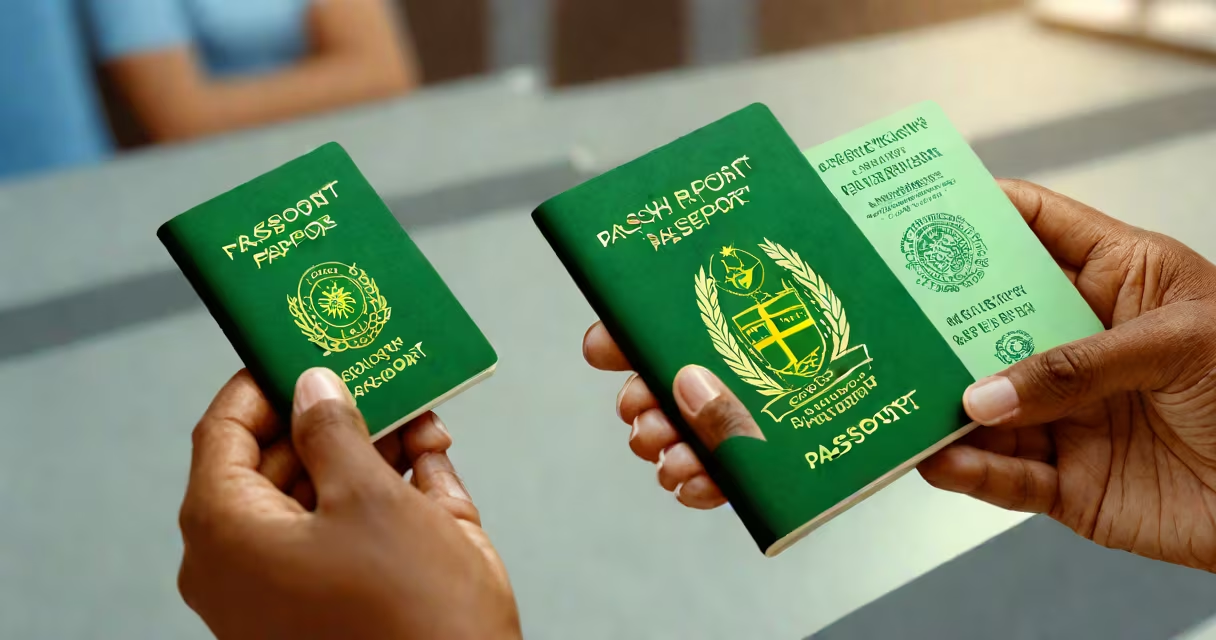
South African passport renewal is the official process to replace a passport that has expired, is nearing expiration, or has been damaged. It requires submitting updated personal details, biometric data, and supporting documents through designated government offices or online portals.
The renewal process helps your travel document remains valid for international travel and meets current security standards. All applicants must appear in person at a Department of Home Affairs office or authorized agent location unless exempt under special circumstances such as medical incapacity or emergency travel.
Processing times vary based on location and volume. Standard turnaround is 10 to 14 business days, but urgent applications may be processed within 48 hours for an additional fee. Applications submitted during high-demand periods-such as school holidays or festive seasons-can take longer due to increased workloads.
Renewal begins with completing Form DHA-76, available online via the Department of Home Affairs website or at any Home Affairs branch. The form collects basic identity information, previous passport numbers, and contact details. Applicants must provide proof of citizenship, such as a birth certificate or naturalization certificate, and a recent photograph meeting specific size and quality standards.
Applicants must attend a scheduled appointment at a Home Affairs office. During the visit, officials verify identity using fingerprints and facial recognition. A digital photo is taken on-site. Biometric data is uploaded to the national database, which cross-checks against criminal records and immigration databases.
Once approved, the new passport is printed with a machine-readable zone, embedded RFID chip, and holographic security features. The document is delivered via courier or collected in person after notification. The entire process typically takes 10 to 14 business days under normal conditions.
Applicants must bring original documents and copies. Required items include:
Children under 18 require parental consent. Both parents must accompany minors under 16 unless one parent provides a notarized letter of authorization. Adults aged 70 and above may apply with a doctor's note confirming physical ability to attend in person.
Some individuals qualify for expedited processing. Emergency travel cases-such as attending a funeral abroad or participating in a critical medical procedure-may receive priority. These requests require documentation from embassies, hospitals, or airlines.
| Type | Processing Time | Fee (ZAR) | Eligibility |
|---|---|---|---|
| Standard Renewal | 10-14 business days | 1,300 | All adults and children |
| Urgent Renewal | 48 hours | 2,500 | Emergency travel, medical reasons |
| Online Application (pre-verified) | 7-10 days | 1,200 | Applicants with verified ID and biometrics on file |
Many applicants assume they can renew online without visiting a branch. This is incorrect. While the form can be filled out digitally, in-person attendance is mandatory for biometric capture and identity verification. Skipping this step results in rejection.
Another frequent error is using outdated photographs. The Home Affairs guidelines specify that photos must be 45 mm x 35 mm, taken within the last six months, and show the full face with neutral expression. Glasses, hats, or dark backgrounds disqualify images.
A lesser-known requirement is the need to declare any past criminal convictions or visa overstays. Failure to disclose this information can lead to denial or deportation upon entry to certain countries. The system flags discrepancies between declared history and national databases.
For example, a 2022 audit by the Department of Home Affairs found that 14% of renewal applications were rejected due to incomplete documentation or false declarations. One case involved a man who claimed his passport was stolen but had previously used it to enter the UK-evidence surfaced through border control records.
In March 2023, a 34-year-old teacher from Woodstock, Cape Town, applied for renewal after her passport expired. She completed Form DHA-76 online, printed it, and gathered her birth certificate, utility bill, and a recent photo. She booked an appointment via the Home Affairs portal and arrived at the Bellville branch with all documents.
At the counter, she submitted her old passport, signed the form, and underwent fingerprint scanning. Her photo was captured on-site. She paid the standard fee of R1,300 and received a confirmation slip with a tracking number. Her new passport arrived in 11 days via courier.
She noted that the staff were efficient but emphasized the importance of double-checking the photo before submission. "I almost used an older version," she said. "The system flagged it immediately."
South African passport renewal is frequently mistaken for passport application. The key difference lies in eligibility: renewal applies only to citizens who previously held a valid South African passport. New applicants-those born abroad or adopting citizenship-must apply for their first passport, which involves separate forms and additional verification steps.
Renewal also differs from visa extensions. A passport allows entry into foreign countries; a visa permits stay. Confusing the two leads to overstaying visas and potential bans. For example, a traveler who renewed their passport but failed to extend their Schengen visa was denied entry to Germany in 2022 due to mismatched validity dates.
Finally, renewal is not the same as a replacement due to loss or theft. In those cases, applicants must report the incident to police and submit a sworn affidavit. The process includes a higher fee and additional scrutiny to prevent fraud.
I once assisted my sister with her renewal at the Pretoria East Home Affairs office. We arrived early, brought all documents, and waited nearly two hours despite a scheduled appointment. The queue moved slowly because several people had incomplete forms. I learned that checking the portal for updates before arrival saves time.
After submission, we received a reference number. Two weeks later, we picked up the new passport. The officer confirmed it matched the biometric data on file. The experience highlighted how important preparation is-especially during peak periods like December and January.
Renewals must be done at designated Home Affairs offices or authorized agents. Locations include major cities like Johannesburg, Durban, Bloemfontein, and Port Elizabeth. Smaller towns may have satellite offices or partner agencies.
Appointments are required. Walk-ins are discouraged and often result in long waits or refusal. Use the official booking system to schedule. Book at least five business days in advance. Avoid weekends and public holidays-offices are closed.
Peak renewal seasons coincide with school holidays and the holiday season. Demand increases by up to 40% during December and January. Applying in November or February reduces wait times.
For travelers planning trips to Europe, the USA, or Australia, ensure your passport has at least six months of validity beyond the return date. Some countries deny entry if the passport expires too soon-even if it's technically valid.
South African passport renewal is a structured, in-person process governed by strict regulations. It ensures document integrity and national security. Always verify requirements before applying, especially if traveling soon.
Keep your passport valid. Renew early. Submit accurate documents. Attend your appointment. Your travel plans depend on it.