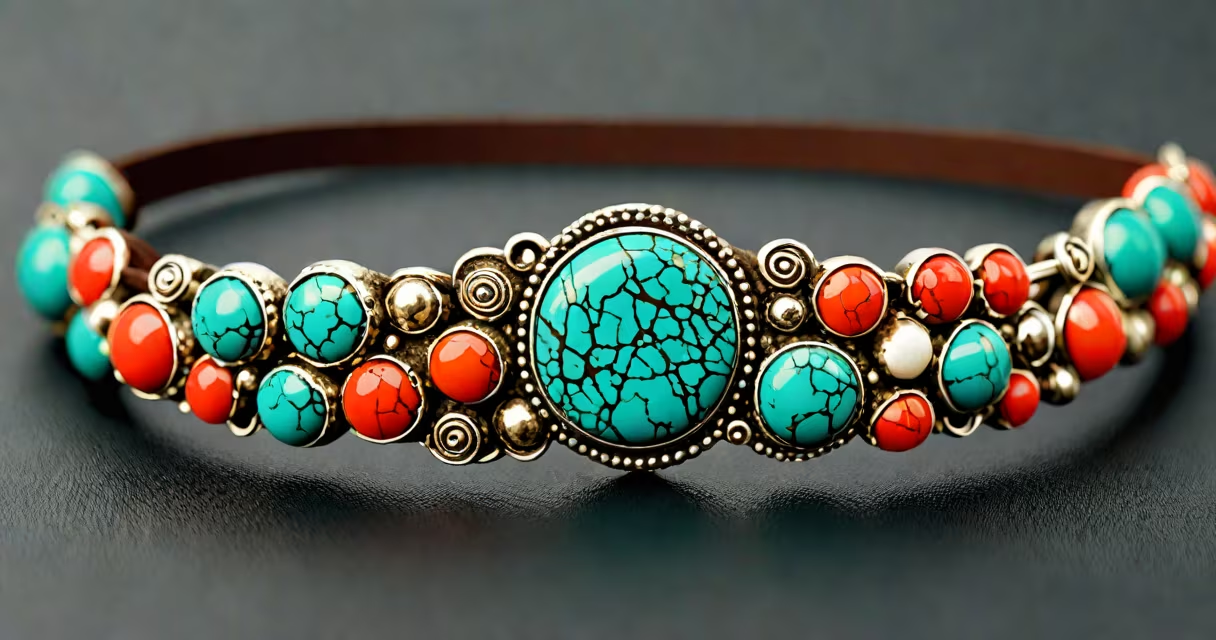
A tibetan prayer bracelet is a string of beads traditionally used in Tibetan Buddhism to count mantras during meditation. Each bead corresponds to one repetition of a sacred phrase, helping practitioners maintain focus and intention. The bracelet typically contains 108 beads, a number rooted in spiritual tradition, though sizes vary.
The core function of a tibetan prayer bracelet lies in its role as a tactile aid for mental discipline. As the user moves each bead through their fingers, they mentally recite a mantra such as "Om Mani Padme Hum." This physical act reinforces concentration and reduces mental distraction. The practice is common among monks and lay practitioners alike, especially during daily meditation sessions.
These bracelets are not decorative accessories. They serve a functional purpose in ritual and contemplation. The materials used-turquoise, coral, bone, wood, and silver-are selected for their symbolic meaning and energetic properties. For example, turquoise is believed to offer protection, while coral represents vitality and strength. Silver is associated with purity and clarity of mind.
Each tibetan prayer bracelet follows a consistent structure: a central tassel or charm, a series of 108 beads (though some have 27 or 54), and a knot or clasp at the end. The 108-bead count is derived from the Sanskrit concept of "mala," which refers to a garland of prayer beads used in Hinduism and Buddhism. In Tibetan practice, this number symbolizes the 108 defilements or afflictions that must be overcome on the path to enlightenment.
Beads are strung on a durable thread-often cotton, silk, or leather-and tied with a knot between each bead. This knot serves both a structural and symbolic purpose: it prevents the beads from slipping and marks the completion of a cycle. When the user reaches the final bead, they turn the bracelet around and begin again, maintaining continuity in the practice.
Materials vary widely based on region, availability, and cultural significance. Turquoise from Xinjiang or Afghanistan is prized for its deep blue color and protective qualities. Coral, particularly red from the South China Sea, is valued for its life-force energy. Bone beads, often made from yak or sheep, carry ancestral resonance. Modern versions may use synthetic stones or recycled metals, but traditional artisans still favor natural materials.
| Material | Symbolic Meaning | Common Use |
|---|---|---|
| Turquoise | Protection, spiritual insight | Most common in high-end bracelets |
| Coral | Vitality, strength, life force | Used in ceremonial pieces |
| Silver | Purity, clarity, balance | Often forms the centerpiece or clasp |
| Bone | Connection to ancestors, impermanence | Used in monastic mala, less common in retail |
Prayer bracelets are worn during meditation, placed on altars, or carried as personal talismans. Monks in Tibetan monasteries use them daily, sometimes reciting mantras hundreds of times a day. Lay practitioners wear them throughout the day as a reminder of their spiritual intentions.
They are also given as gifts during religious festivals such as Losar (Tibetan New Year) or during rites of passage like ordination. A gift of a tibetan prayer bracelet signifies respect, blessing, and shared spiritual commitment. In some families, the bracelet is passed down through generations, accumulating meaning with each owner.
Non-Buddhists sometimes wear them for aesthetic reasons or as symbols of mindfulness. However, this usage can be culturally insensitive if done without understanding the context. According to the Tibetan Buddhist Resource Center, wearing such items without awareness of their origin risks reducing sacred objects to fashion accessories.
One widespread error is equating tibetan prayer bracelets with generic "spiritual jewelry" sold online. Many mass-produced versions lack authentic materials or proper symbolism. Some use plastic beads labeled as "turquoise" or "coral," which are not spiritually equivalent to natural stone. These imitations fail to meet the standards of traditional craftsmanship.
Another misconception is that the bracelet itself holds power. While the materials are believed to carry energy, the effectiveness comes from consistent practice, not the object alone. The real function is not magical-it's cognitive. Research from the University of California, San Diego, shows that repetitive tactile actions during meditation improve attention span and reduce anxiety. The bracelet acts as a tool for sustained focus, not a source of supernatural influence.
There's also confusion about who can use them. While originally intended for practitioners of Tibetan Buddhism, many people of other faiths or no faith find benefit in using them for mindfulness. The key difference lies in intent: using the bracelet as a meditative aid versus treating it as a fashion statement.
I once attended a retreat in Dharamsala, India, where I met a monk who had worn the same tibetan prayer bracelet for over 30 years. He told me he began using it during his early training and never replaced it, even when the leather cord frayed. He said the bracelet helped him stay grounded during long hours of silent meditation. When I asked if he ever removed it, he smiled and said, "Only to clean it. The beads remember my hands."
This moment illustrated how deeply personal the practice can become. The bracelet wasn't just a tool-it was a companion. Its value came not from the price or rarity, but from the daily ritual of touching each bead and repeating the mantra.
Understanding a tibetan prayer bracelet requires seeing beyond appearance. It is not merely a piece of jewelry. It is a device for mental cultivation, a bridge between thought and intention. The true measure of its worth lies not in how it looks, but in how it supports inner stillness. For those seeking deeper focus or spiritual connection, the tibetan prayer bracelet offers a tangible way to practice presence-one bead at a time.