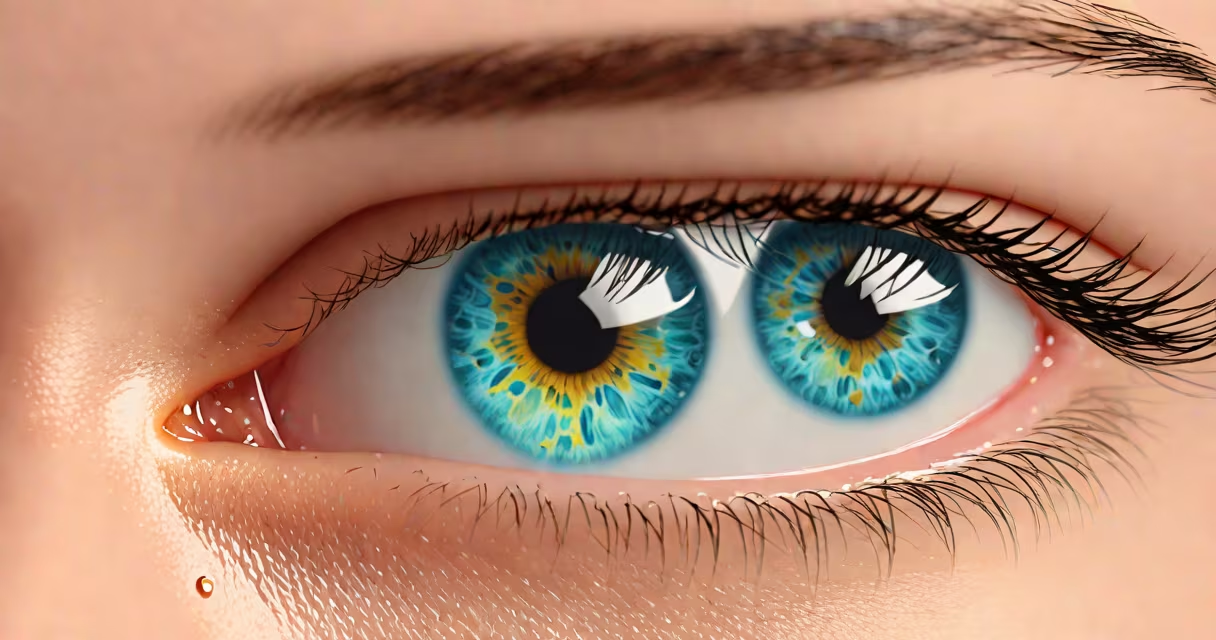
Watery discharge from eyes is excessive tearing caused by overproduction or poor drainage of tears, often signaling irritation, infection, or an underlying condition like dry eye syndrome. It appears as clear, thin fluid leaking from the eye or pooling at the inner corner.
Tears are produced by the lacrimal glands above the eyes and drain through small ducts near the nose. When this system is overwhelmed or blocked, excess fluid accumulates and spills out. The discharge may be continuous or triggered by environmental factors like wind, smoke, or bright light.
While occasional tearing is normal, persistent watery discharge suggests a physiological imbalance. It's not always due to emotional crying-many cases stem from physical causes such as allergies, infections, or structural issues in the tear drainage system.
The lacrimal system maintains eye moisture through a balance of production and drainage. Normal tear volume is about 7 microliters per minute. When irritants enter the eye, the lacrimal glands increase output to flush them out. This is protective-but if drainage can't keep pace, overflow occurs.
Drainage happens via the puncta-tiny openings at the inner corners of the eyelids. From there, tears flow through canaliculi into the lacrimal sac and then into the nasal cavity. Blockages at any stage can cause chronic watering. A common example is nasolacrimal duct obstruction, which affects about 1 in 200 newborns and increases with age.
When drainage fails, even normal tear production leads to visible discharge. This is why someone with dry eyes-where the surface lacks lubrication-can still produce too many tears. The brain interprets dryness as irritation and signals increased production, leading to overflow. This paradox is well-documented in clinical ophthalmology.
Watery discharge varies in appearance and timing depending on the root cause. Clear, thin fluid is typical of allergic reactions, viral conjunctivitis, or dry eye-related reflex tearing. Mucus-like or yellowish discharge suggests bacterial infection or inflammation.
Below are key conditions linked to watery discharge:
| Condition | Discharge Type | Other Symptoms | Prevalence |
|---|---|---|---|
| Allergic conjunctivitis | Clear, stringy | Itching, redness, swelling | ~15% of adults in the U.S. |
| Viral conjunctivitis | Clear, profuse | Redness, light sensitivity, mild pain | ~10 million cases annually in the U.S. |
| Bacterial conjunctivitis | Yellow-green, thick | Pus, crusting, swollen lids | ~1 million annual visits to U.S. clinics |
| Dry eye syndrome | Clear, excessive | Burning, grittiness, fluctuating vision | Over 16 million Americans affected |
According to the American Academy of Ophthalmology, dry eye syndrome is the most frequent cause of chronic watery eyes in adults over 40. The condition results from unstable tear film, triggering reflex tearing that doesn't resolve the underlying dryness.
Many mistake watery discharge for a sign of infection. However, clear, bilateral tearing without pus, fever, or severe pain is more likely due to allergies or dry eye. Conversely, purulent (pus-filled) discharge indicates bacterial infection and requires antibiotics.
A key distinction lies in the pattern: unilateral (one-eye) discharge often points to a foreign body, corneal abrasion, or blocked duct. Bilateral tearing is more likely systemic-like allergy or dry eye. Persistent unilateral watering may indicate dacryocystitis, an infection of the tear sac, which affects ~0.1% of adults and often presents with swelling and tenderness near the nose.
Another misconception is that watery eyes always mean "wet" eyes. In reality, dry eye syndrome causes paradoxical tearing. The ocular surface becomes inflamed from lack of moisture, prompting the brain to overproduce tears. These tears lack the proper lipid and mucin layers to stabilize the film, so they evaporate quickly and spill over.
I once evaluated a 52-year-old woman who reported constant tearing in both eyes for six months. She described her vision blurring during reading and a gritty sensation. Initial diagnosis was dry eye syndrome. Tear breakup time was measured at 4 seconds (normal is >10 seconds), confirming instability.
She had been using artificial tears frequently, but symptoms worsened. Upon examination, she showed signs of meibomian gland dysfunction-a condition affecting oil secretion in the eyelid glands. After starting warm compresses and prescription eye drops targeting oil layer deficiency, her tearing reduced by 70% within four weeks.
This case illustrates that watery discharge isn't always a sign of excess fluid-it can be a symptom of inadequate quality. The treatment wasn't to reduce tears, but to fix the tear film's composition.
See an ophthalmologist if watery discharge lasts longer than two weeks, affects daily function, or includes pain, vision changes, or discharge that crusts overnight. Persistent tearing can lead to skin irritation around the eye or recurrent infections.
For mild cases, over-the-counter antihistamine eye drops may help with allergies. Artificial tears with preservative-free formulations are better for dry eye-related tearing. Avoid rubbing the eyes-this spreads allergens or bacteria.
Watery discharge from eyes is not a single condition but a symptom of multiple systems failing to maintain ocular balance. Understanding the cause-whether it's allergy, dryness, infection, or structural issue-is essential for effective treatment.