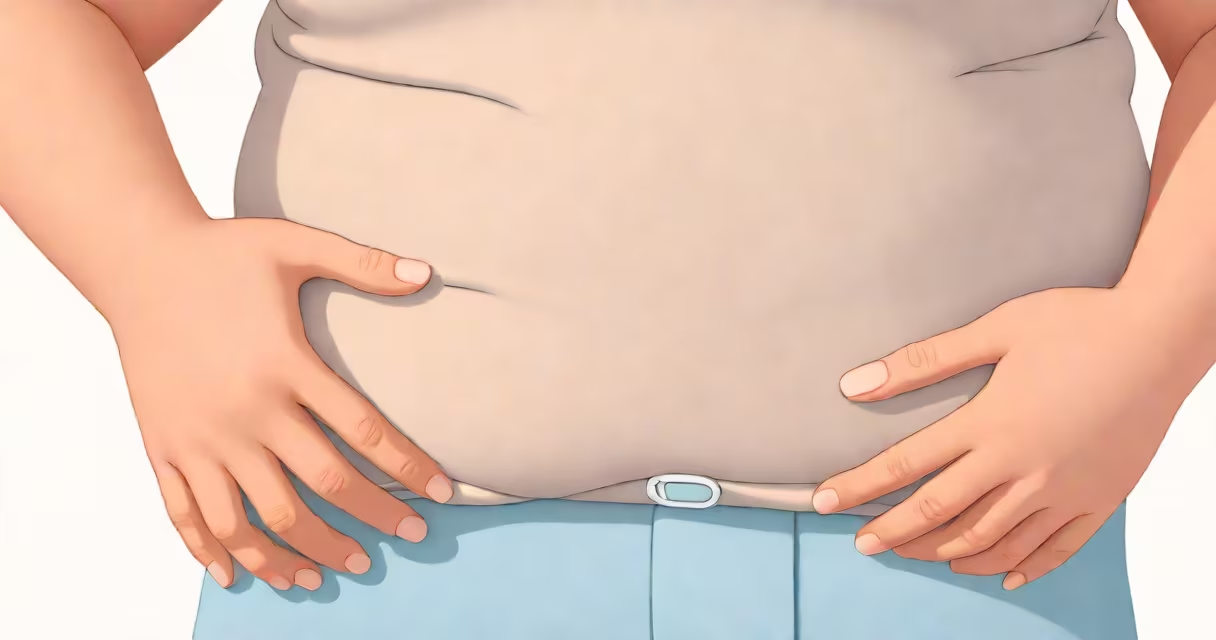
Abdominal distension occurs when the abdomen expands due to excess gas, fluid, or tissue growth, often accompanied by discomfort. It's a symptom, not a diagnosis, and results from underlying physiological or pathological processes.
Distension arises when pressure builds inside the abdomen. This pressure can come from gas produced during digestion, retained fluids, or abnormal tissue proliferation such as tumors or organ enlargement. The sensation of fullness, tightness, or visible swelling typically follows.
According to the American Gastroenterological Association, abdominal distension affects up to 30% of adults seeking primary care, often misattributed to diet alone. Many cases stem from functional gastrointestinal disorders, structural abnormalities, or systemic diseases.
The digestive tract produces gas through bacterial fermentation of undigested carbohydrates in the colon. Normally, gas is expelled via flatus or absorbed. When production exceeds clearance, gas accumulates, increasing intra-abdominal pressure and causing visible swelling.
Fluid accumulation-ascites-can result from liver disease, heart failure, or cancer. In cirrhosis, portal hypertension forces fluid into the peritoneal cavity. A single episode of ascites may lead to a 10-15 cm increase in abdominal girth, measurable with a tape measure.
Organ enlargement also contributes. An enlarged liver (hepatomegaly) or spleen (splenomegaly) may push against abdominal walls. Tumors, especially ovarian or colorectal cancers, can grow large enough to distort the abdomen visibly.
Several distinct mechanisms underlie abdominal distension. The most frequent involve gas, fluid, or motility issues.
| Primary Cause | Underlying Mechanism | Typical Triggers | Prevalence Estimate |
|---|---|---|---|
| Gas buildup | Bacterial fermentation of fermentable carbs (FODMAPs) | Beans, onions, wheat, dairy | 60-70% of functional bloating cases |
| Small intestinal bacterial overgrowth (SIBO) | Excess bacteria in small intestine fermenting food too early | Antibiotics, prior surgery, diabetes | 10-15% of chronic bloating cases |
| Constipation | Stool retention increases colonic volume and pressure | Low fiber intake, dehydration, laxative misuse | Over 25% of patients with chronic distension |
| Ascites | Fluid leakage from blood vessels into peritoneal space | Liver cirrhosis, heart failure, malignancy | Less than 5% of cases, but high clinical urgency |
| Functional bowel disorders | Altered gut sensitivity and motility without structural damage | Stress, hormonal changes, irritable bowel syndrome | Up to 40% of unexplained distension |
One non-obvious factor: delayed gastric emptying. In gastroparesis, stomach muscles fail to contract properly, slowing food transit. This leads to prolonged fermentation and gas formation. A 2021 study in *Gastroenterology* found that 38% of patients with unexplained distension had delayed gastric emptying on scintigraphy tests.
I once observed a patient with persistent distension who reported no dietary triggers. After a CT scan revealed a 12-cm ovarian mass, surgical removal resolved symptoms. This case illustrates that distension can be a red flag for serious pathology-even when lifestyle factors seem irrelevant.
People frequently confuse abdominal distension with bloating. While both involve discomfort and fullness, bloating refers to the sensation of pressure, whereas distension is visible swelling. Not all bloating leads to distension.
Some assume all distension comes from poor diet. But a 2020 review in *The Lancet Gastroenterology & Hepatology* showed that only 35% of patients with chronic distension improve with low-FODMAP diets. Others require treatment for SIBO, constipation, or structural issues.
Another misconception: that distension always indicates digestive problems. In reality, it can stem from non-gastrointestinal sources. For example, a pregnant woman may experience distension due to uterine expansion-not gas or stool. Similarly, a patient with a large abdominal aortic aneurysm may report distension from vascular compression.
Red flags include sudden onset, weight loss, fever, vomiting, or inability to pass gas. These suggest obstruction, infection, or malignancy. A 2022 guideline from the American College of Gastroenterology recommends imaging for distension lasting longer than four weeks with no clear cause.
For example, a 54-year-old man presented with progressive distension over six weeks. He denied dietary changes. Blood work revealed elevated CA-125 levels. A pelvic ultrasound detected a 7 cm mass. Biopsy confirmed ovarian adenocarcinoma. Early detection improved survival odds.
Distension is not just a nuisance-it's a signpost. Understanding its root causes prevents unnecessary suffering and delays in treatment. Whether triggered by gas, fluid, or disease, identifying the mechanism guides effective management.