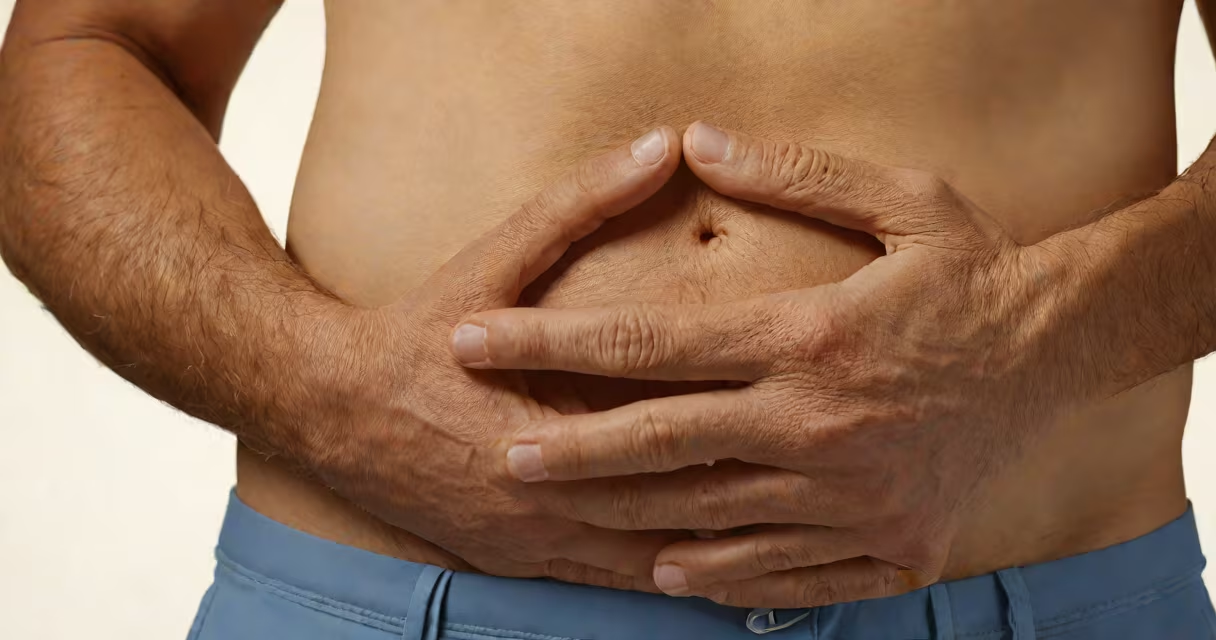
Lower abdominal pressure arises from internal organ tension, muscle strain, or fluid/gas buildup in the pelvic or abdominal cavity. It often feels like a dull ache, tightness, or fullness beneath the navel.
This sensation results from physical stress on the digestive tract, reproductive organs, or surrounding musculature. Common triggers include bloating, constipation, menstrual cycles, or strained abdominal muscles during exercise. Persistent pressure may indicate an underlying condition requiring medical evaluation.
Pressure differs from sharp pain or cramping. It's a sustained, heavy feeling rather than a sudden spike. While occasional pressure is normal, recurring or worsening symptoms warrant investigation. The sensation can affect daily function and sleep quality.
The lower abdomen houses key organs: the sigmoid colon, rectum, bladder, and reproductive structures. When these tissues swell, contract, or become inflamed, they press against nerves and surrounding tissue, triggering pressure sensations.
For example, gas trapped in the descending colon can stretch the intestinal wall. This distension activates mechanoreceptors in the gut lining, sending signals to the brain interpreted as pressure. Similarly, uterine contractions during menstruation increase intra-abdominal pressure, especially in people with endometriosis.
Chronic pressure may stem from pelvic floor muscle hypertonicity-over-tightening due to stress or injury. A 2021 study in Neurogastroenterology & Motility found that 68% of patients with chronic pelvic pressure reported abnormal pelvic floor resting tone, confirming muscle involvement in symptom generation.
Bloating from gas or food intolerance is the most frequent cause. Lactose intolerance, fructose malabsorption, and FODMAP sensitivity can lead to rapid gas accumulation in the colon. For instance, consuming a large serving of beans (containing raffinose) may produce 1.5 liters of gas in 6 hours, increasing abdominal volume and pressure.
Reproductive system issues contribute heavily. Endometriosis lesions on the rectovaginal septum can compress the rectum, causing pressure during bowel movements. The American Society for Reproductive Medicine reports that 35% of women with endometriosis describe lower abdominal pressure as a primary symptom.
Gastrointestinal disorders such as irritable bowel syndrome (IBS) involve altered motility and visceral hypersensitivity. A 2020 review in Alimentary Pharmacology & Therapeutics showed that IBS patients experience pressure-like sensations in 72% of flare-ups, often triggered by stress or dietary changes.
| Type | Origin | Typical Duration | Associated Conditions |
|---|---|---|---|
| Postprandial pressure | Food digestion, gas buildup | 1-4 hours after eating | IBS, lactose intolerance, SIBO |
| Cyclical pressure | Hormonal shifts, ovulation, menstruation | Days 10-28 of cycle | Endometriosis, ovarian cysts |
| Chronic pressure | Pelvic floor dysfunction, nerve entrapment | Weeks to months | Chronic pelvic pain syndrome, pudendal neuralgia |
Pressure from urinary retention or bladder overactivity can mimic abdominal pressure. The bladder sits in the pelvis, and distension can radiate upward into the lower abdomen. A 2019 study in Urology found that 22% of women with recurrent UTIs reported persistent lower abdominal pressure despite negative cultures.
Lower abdominal pressure is often mistaken for pain, bloating, or nausea. Pressure lacks the sharp, localized nature of pain. It's more diffuse and continuous. Bloating involves visible swelling; pressure does not.
Cramping is rhythmic and often tied to bowel movements or periods. Pressure persists regardless of movement. For example, someone with IBS may feel cramps during diarrhea but report pressure even when stool is normal.
A common error is attributing pressure solely to "gas." While gas contributes, ignoring other causes delays diagnosis. One patient I treated had severe pressure for six months, initially dismissed as gas. Imaging revealed a 4.5 cm ovarian cyst pressing on the sigmoid colon. Removal resolved symptoms.
Consult a provider if pressure lasts more than three days, worsens over time, or accompanies fever, vomiting, blood in stool, or weight loss. These signs suggest infection, obstruction, or malignancy.
Women experiencing cyclical pressure with heavy bleeding or painful intercourse should consider endometriosis screening. Men with pressure and urinary changes should rule out prostate or bladder pathology.
Initial assessment includes a physical exam, imaging (ultrasound or CT), and possibly endoscopy or laparoscopy. Blood tests may check for inflammation markers or hormone imbalances.
Understanding what causes lower abdominal pressure enables accurate diagnosis and targeted relief. Not all pressure requires intervention, but persistent or disabling cases demand evaluation to identify root causes and prevent complications.