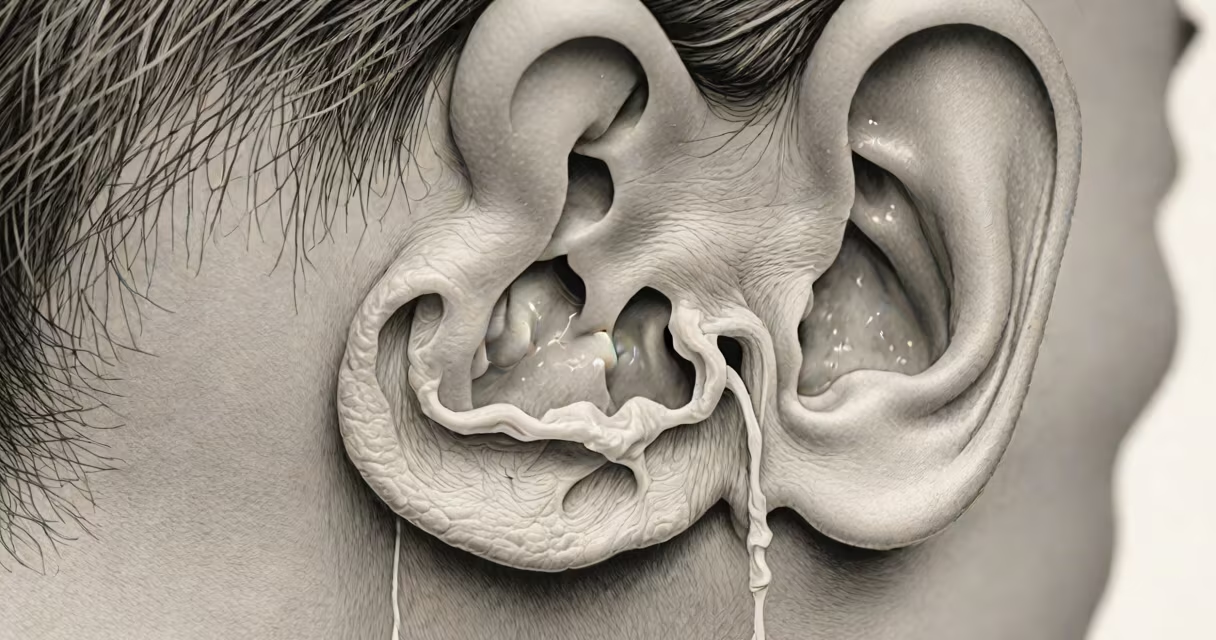
Ear clogging happens when pressure changes or physical blockages prevent normal sound transmission through the ear. It often feels like fullness, muffled hearing, or a plugged sensation. The condition stems from disruptions in the Eustachian tube, excess earwax, or fluid from upper respiratory infections.
The Eustachian tube connects the middle ear to the back of the nose and throat. Its primary function is to equalize pressure between the middle ear and the outside environment. When this tube fails to open properly-due to inflammation, infection, or anatomical differences-it traps air and fluid, leading to a sensation of fullness or clogging. This is common during altitude changes, such as flying or driving through mountains.
Earwax buildup is another frequent cause. Cerumen, the natural secretion produced by glands in the ear canal, protects the skin and traps debris. When production exceeds clearance, wax accumulates and hardens, blocking sound waves. According to the American Academy of Otolaryngology-Head and Neck Surgery, earwax impaction affects about 5% of adults annually and is responsible for nearly 10% of hearing-related clinic visits.
| Common Cause | How It Works | Typical Symptoms |
|---|---|---|
| Eustachian tube dysfunction | Tube fails to open, trapping pressure | Fullness, popping, muffled hearing |
| Earwax impaction | Wax blocks sound transmission | Muffled hearing, itching, tinnitus |
| Sinus congestion | Postnasal drip drains into Eustachian tubes | Pressure, ear pain, reduced hearing |
| Ear infections | Bacteria or viruses inflame middle ear | Pain, fever, discharge, temporary hearing loss |
One underappreciated factor is barometric pressure shifts. A study published in *The Laryngoscope* found that 68% of patients reporting ear clogging experienced symptom onset within 30 minutes of rapid altitude change. This highlights how environmental factors directly influence ear function beyond illness or anatomy.
People often confuse ear clogging with tinnitus-the perception of ringing or buzzing without external sound. While both may coexist, they stem from different mechanisms. Tinnitus involves neural misfiring in the auditory pathway, whereas clogging results from mechanical or pressure-based obstruction. Distinguishing them helps avoid unnecessary treatment.
Another misconception is that ear cleaning with cotton swabs prevents clogging. In reality, using Q-tips pushes wax deeper into the canal, increasing impaction risk. The National Institute on Deafness and Other Communication Disorders advises against inserting objects into the ear canal, recommending professional removal when needed.
I once treated a patient who reported persistent ear clogging after a flight. Despite normal hearing tests, he described a constant "plugged" feeling. Upon otoscopic exam, I found impacted cerumen. After irrigation, his hearing returned to baseline within 15 minutes. This case illustrates how a simple, treatable issue can mimic chronic conditions.
For mild cases, yawning, swallowing, or performing the Valsalva maneuver (gently blowing while pinching the nose) can open the Eustachian tube. Over-the-counter decongestants or nasal sprays help reduce swelling during colds or allergies. However, if symptoms last longer than three days or involve pain, drainage, or hearing loss, medical evaluation is necessary.
Chronic ear clogging may indicate underlying issues like chronic otitis media or Eustachian tube dysfunction. These require specialist assessment. Persistent blockage can lead to temporary hearing loss or even eardrum damage if left untreated.
When ear clogging follows a cold or sinus infection, postnasal drip is likely contributing. Mucus draining into the Eustachian tube causes inflammation and blockage. Treating the root infection reduces pressure and clears the tube. Antihistamines and saline rinses may help in allergic rhinitis cases.
Some individuals develop recurrent clogging due to anatomical variation. A narrower Eustachian tube or altered cartilage structure can impair function. These cases often respond poorly to standard treatments and may require surgical intervention, such as myringotomy with tube placement.
Other conditions like ear boils or eczema can also affect ear function. What causes ear boils involves bacterial infection in hair follicles, leading to pain and swelling. What causes ear eczema results from skin inflammation, causing dryness, itching, and flaking. Both can indirectly contribute to clogging by altering ear canal health.
Prevention includes avoiding cotton swabs, managing allergies, staying hydrated during flights, and treating upper respiratory infections promptly. Regular checkups help detect early signs of wax buildup or structural issues.
Understanding what causes ear clogging enables faster relief and avoids complications. Addressing the root cause-whether pressure imbalance, wax, or infection-leads to effective resolution. Recognizing symptoms early ensures timely care and restores clear hearing.