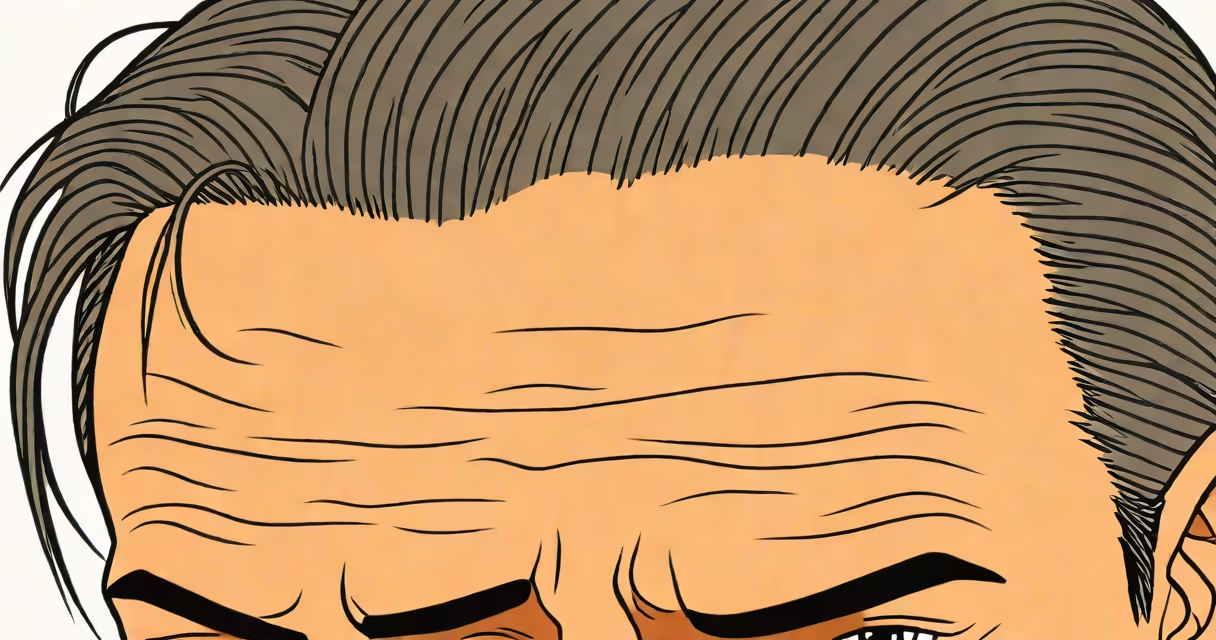
Early hair loss in men is primarily driven by genetics and hormonal sensitivity to dihydrotestosterone (DHT), a derivative of testosterone. This condition, known as androgenetic alopecia, typically begins in the late teens or early 20s and progresses gradually. It affects approximately 50% of men by age 50, with onset earlier in those with a family history.
Androgenetic alopecia results from a genetic predisposition in hair follicles to shrink under the influence of DHT. The hormone binds to receptors in the scalp, shortening the growth phase (anagen) of the hair cycle. Over time, follicles produce finer, shorter hairs until they stop growing altogether. This process is not caused by poor hygiene, stress alone, or excessive shampooing.
According to the American Academy of Dermatology Association, genetic factors account for 95% of early-onset male hair loss. A study published in the Journal of Investigative Dermatology confirmed that men with a specific variant of the AR gene (androgen receptor) are more likely to develop early thinning. This gene regulates how sensitive follicles are to DHT.
Hair loss begins subtly. The first sign is often a receding hairline, particularly at the temples. This follows a pattern described by the Norwood scale, which categorizes male pattern baldness into seven stages. Stage II is barely noticeable; Stage IV shows a distinct M-shaped recession. By Stage VI, the crown area becomes bald, leaving a band of hair between the front and back.
Thinning occurs because DHT reduces blood flow to follicles and disrupts the balance of proteins that maintain hair strength. As follicles shrink, each strand becomes weaker and shorter. Eventually, they enter a prolonged resting phase (telogen), leading to shedding. The rate varies-some men lose 50 strands daily; others see visible thinning within months.
A 2021 clinical review in *Dermatologic Clinics* noted that early onset is not linked to lifestyle habits like diet or alcohol use. While severe stress can trigger temporary shedding (telogen effluvium), it doesn't cause permanent balding patterns. True early hair loss is irreversible without medical intervention.
There are two primary patterns of early hair loss in men:
| Pattern | Onset Age | Genetic Trigger | Progression |
|---|---|---|---|
| Receding hairline | 16-25 years | Maternal lineage (mother's side) | Starts at temples, spreads forward |
| Crown thinning | 18-30 years | Paternal lineage (father's side) | Spreads outward from center of scalp |
Both patterns involve DHT sensitivity. However, research from the University of Pennsylvania School of Medicine found that men with maternal family history of early balding tend to start losing hair earlier-around age 16-compared to those with paternal history, who often begin in their late 20s.
Some men experience both patterns simultaneously. This combination leads to rapid progression. A 2020 study in *The British Journal of Dermatology* tracked 1,200 men aged 18-35 and found that 38% showed signs of both temple recession and crown thinning by age 25. These individuals were more likely to have higher baseline DHT levels and increased AR gene expression.
Many assume that frequent hair washing, wearing hats, or using styling products causes early hair loss. This is false. The scalp sheds 50-100 hairs daily. Washing removes loose strands but does not accelerate follicle damage. Hats do not trap DHT; they don't raise scalp temperature enough to affect hair cycles.
Another myth is that stress causes balding. While acute stress can lead to telogen effluvium-temporary shedding lasting 3-6 months-it doesn't initiate androgenetic alopecia. A 2019 study in *Clinical and Experimental Dermatology* found that men experiencing high-stress events had no greater long-term hair loss risk than controls when genetics were accounted for.
Crucially, early hair loss is not a sign of poor health. It does not correlate with low testosterone or fertility issues. In fact, men with early balding often have normal or even elevated testosterone levels. The issue lies in local tissue sensitivity, not systemic hormone imbalance.
Consider James, a 21-year-old college student. He noticed his hairline receding at age 17. His father was bald by 30; his maternal grandfather lost most of his hair by 25. James began using minoxidil (5%) twice daily at 19. After 12 months, he saw a 20% increase in hair density in the frontal region. His dermatologist confirmed DHT sensitivity via a scalp biopsy and advised continuing treatment.
James did not change his diet, quit smoking, or reduce stress. His hair improved only because minoxidil counteracted DHT's effects on follicle miniaturization. This illustrates that early hair loss is biological, not behavioral.
Men should consult a dermatologist if they notice a receding hairline before age 25 or thinning at the crown before 30. Early diagnosis allows for timely treatment. FDA-approved options include finasteride (1 mg daily), which reduces DHT production by 70%, and topical minoxidil, which extends the anagen phase.
Studies show that starting treatment before stage III of the Norwood scale yields better outcomes. A 2022 meta-analysis in *JAMA Dermatology* reported that 68% of men using finasteride plus minoxidil maintained or regrew hair over five years, compared to 34% using placebo.
It's important to distinguish early hair loss from other conditions. Alopecia areata causes patchy bald spots. Scalp infections like tinea capitis cause flaking and itching. These require different treatments and are not related to DHT.
Understanding what causes early hair loss in men separates science from myth. The core driver is inherited sensitivity to DHT, not lifestyle choices. Recognizing this allows men to make informed decisions about care, avoiding ineffective products and focusing on evidence-based solutions.