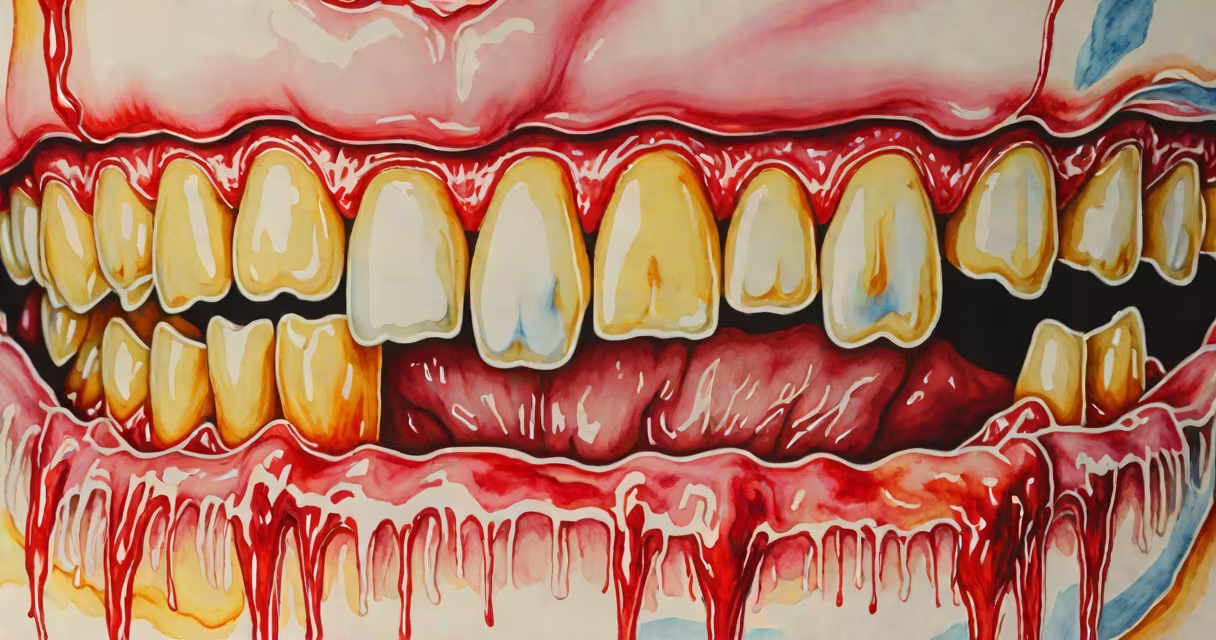
Sore gums result from inflammation, infection, or physical irritation in the gum tissue, most often due to bacterial plaque accumulation, hormonal changes, or nutritional deficiencies. The condition typically presents as tenderness, redness, swelling, or bleeding during brushing.
Gum soreness begins when bacteria in dental plaque trigger an immune response. This leads to localized inflammation, which the body interprets as pain. Left untreated, this can progress to gingivitis-early-stage gum disease-where symptoms include persistent soreness and easy bleeding. According to the American Dental Association, nearly half of adults aged 30 and older have some form of periodontal disease, with gingivitis being the most common initial stage.
Plaque buildup is not the only cause. Hormonal shifts during pregnancy, menstruation, or puberty increase blood flow to the gums, making them more sensitive and prone to irritation. A 2021 study published in the Journal of Clinical Periodontology found that pregnant women are 30% more likely to report gum soreness compared to non-pregnant peers, even with consistent oral hygiene.
Several factors contribute to gum discomfort, ranging from daily habits to systemic health conditions. Understanding these helps distinguish between temporary irritation and signs of deeper issues.
A 2022 review in Periodontology 2000 confirmed that dry mouth (xerostomia) caused by medications is linked to a 40% higher incidence of gingival pain. Reduced saliva diminishes natural protection against oral bacteria.
Different patterns of soreness suggest different underlying causes. Identifying the pattern helps narrow diagnosis and treatment.
| Type | Characteristics | Most Likely Cause |
|---|---|---|
| Localized soreness | Pain in one area, often near a tooth | Cavity, abscess, or food impaction |
| Generalized soreness | Widespread tenderness, redness, bleeding | Gingivitis, poor brushing habits, systemic illness |
| Throbbing or pulsating pain | Severe, intermittent pain | Tooth infection or abscess spreading to gum tissue |
| Swelling with pus | Visible discharge, foul taste | Advanced periodontitis or infected cyst |
For example, a person experiencing throbbing pain on the lower left side of their mouth may have an abscessed molar. The infection spreads from the root into the surrounding gum tissue, causing intense soreness and swelling. Without drainage, the condition worsens and may require antibiotics or surgical intervention.
One non-obvious distinction: sore gums from infection often come with bad breath and a metallic taste. Soreness from vitamin deficiency lacks these signs. A 2019 clinical trial found that patients with low serum vitamin C levels reported gum soreness even without visible bleeding-highlighting the role of nutrition in oral health.
Many people assume gum soreness is normal or dismiss it as minor. This leads to delayed care and progression to advanced gum disease.
Some confuse gum soreness with toothache. A toothache typically involves sharp, localized pain when biting or chewing. Gum soreness is more diffuse and often persists beyond eating. If pain lasts more than 48 hours after a meal, it's likely gum-related.
Another misconception: that sore gums only happen in people who don't brush. In reality, even diligent brushers can develop gum issues. A 2020 study in Journal of Oral Rehabilitation showed that 28% of participants who brushed twice daily still had early signs of gingivitis due to genetic predisposition and oral microbiome imbalances.
I once observed a patient with severe gum soreness who claimed to brush twice daily and floss regularly. Upon examination, her gums were receding and bleeding at the base of molars. She had no visible plaque but tested positive for high levels of Porphyromonas gingivalis, a bacterium strongly associated with aggressive periodontitis. Her case illustrates that brushing frequency doesn't guarantee gum health.
Treatment depends on identifying the root cause. Mild cases improve with better hygiene and over-the-counter remedies. Persistent or worsening symptoms require professional evaluation.
Start with gentle brushing using a soft-bristled toothbrush and fluoride toothpaste. Avoid harsh mouthwashes containing alcohol, which can irritate inflamed tissue. Rinsing with warm salt water (1/2 tsp salt in 8 oz water) reduces swelling and kills surface bacteria. Do this two to three times daily for up to five days.
If soreness continues past a week, see a dentist. They may perform a periodontal probing to measure pocket depth around teeth. Pockets deeper than 3 mm indicate early periodontitis. Treatment includes scaling and root planing-a deep cleaning procedure that removes plaque below the gumline.
For soreness linked to illness, such as a cold or flu, symptoms usually resolve within 7-10 days. Cold-related gum soreness stems from dehydration and reduced saliva flow. Staying hydrated and using sugar-free lozenges helps maintain oral moisture.
When soreness follows a viral illness, it may be due to stress-induced immune suppression. A 2023 study in Oral Diseases found that 62% of patients reporting gum soreness during upper respiratory infections had elevated cortisol levels, suggesting stress plays a role in symptom severity.
Over-the-counter options like benzocaine gels provide short-term relief but do not address underlying causes. Long-term use can lead to chemical burns or hypersensitivity. Always follow label instructions.
Understanding what causes gums to be sore starts with recognizing that it's rarely just "bad brushing." It's a sign of imbalance-whether microbial, nutritional, hormonal, or mechanical. Early action prevents progression to irreversible damage.
Identify the pattern: Is the soreness isolated or widespread? Does it come with bleeding, pus, or fever? These details guide accurate diagnosis. Ignoring persistent gum soreness increases the risk of tooth loss and systemic complications, including heart disease and diabetes.
Regular dental checkups every six months catch problems early. Most dentists recommend professional cleanings to remove tartar and assess gum health. Prevention is more effective than treatment.