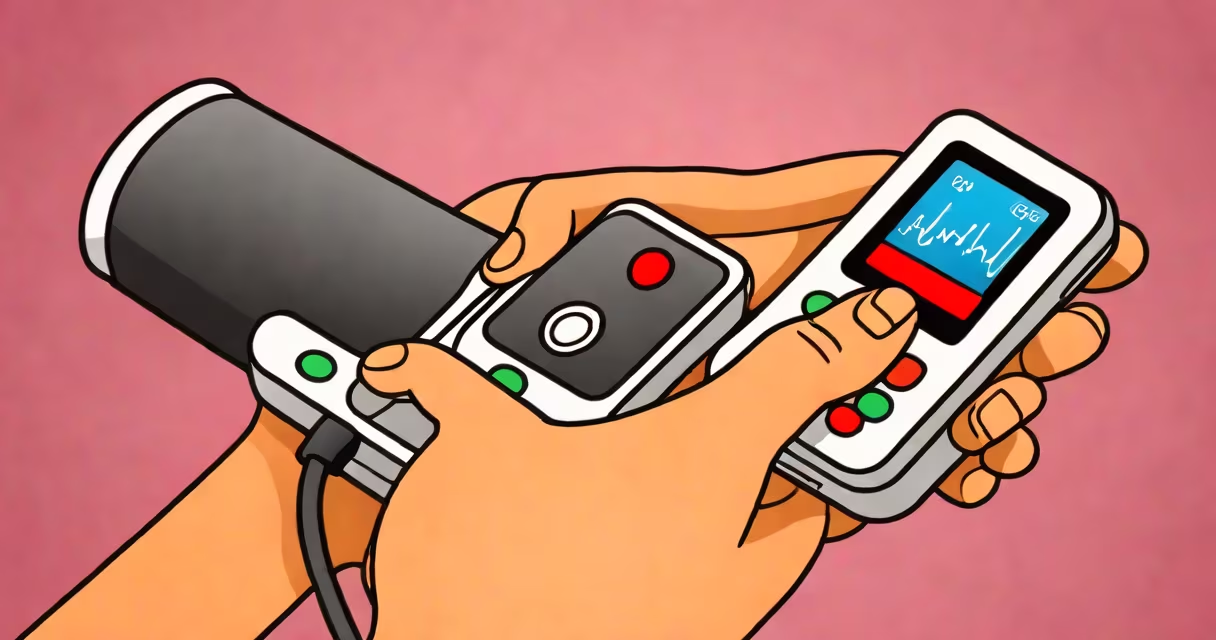
Your heart beats fast when its electrical system triggers contractions faster than normal, typically exceeding 100 beats per minute at rest. This condition, known as tachycardia, can result from physical exertion, emotional stress, or underlying health issues.
Heart rate increases when the autonomic nervous system activates the sympathetic branch-commonly called the "fight-or-flight" response. This releases adrenaline and other hormones that speed up cardiac output. The heart muscle itself doesn't change, but the signals controlling it do.
According to the American Heart Association, about 1 in 10 adults experiences episodes of palpitations annually, many of which are benign. However, persistent or unexplained rapid heartbeats require evaluation to rule out serious conditions such as atrial fibrillation or ventricular tachycardia.
The heart's rhythm begins in the sinoatrial (SA) node, located in the right atrium. This natural pacemaker generates electrical impulses that travel through the atria, then pause briefly at the atrioventricular (AV) node before reaching the ventricles. When this sequence is disrupted, the heart may contract too quickly.
Abnormal rhythms often arise from faulty electrical pathways. For example, in Wolff-Parkinson-White syndrome, an extra electrical connection bypasses the AV node, allowing signals to fire rapidly and cause supraventricular tachycardia (SVT). These episodes can start suddenly and last seconds to hours.
A 2021 study published in Circulation found that 68% of patients with unexplained tachycardia had identifiable structural heart abnormalities on echocardiogram, underscoring the need for imaging in recurrent cases.
Non-medical factors frequently trigger temporary spikes in heart rate. Caffeine intake above 400 mg daily-roughly four cups of coffee-can improve resting heart rate by 5-10 beats per minute. Alcohol consumption, especially binge drinking, is linked to "holiday heart syndrome," a form of atrial fibrillation seen in otherwise healthy individuals after weekend drinking.
Medical causes include hyperthyroidism, where excess thyroid hormone increases metabolic demand and stimulates the heart. A 2022 review in JAMA Internal Medicine reported that untreated hyperthyroidism raises the risk of tachyarrhythmias by 3.7 times compared to controls.
Dehydration reduces blood volume, causing the heart to pump faster to maintain circulation. During moderate exercise, heart rates naturally rise-target zones are 50-85% of maximum heart rate (220 minus age). But deviations beyond expected ranges during activity may indicate arrhythmia or electrolyte imbalance.
| Trigger Type | Examples | Typical Heart Rate Range |
|---|---|---|
| Stress/Anxiety | Public speaking, panic attacks | 110-150 bpm |
| Substance Use | Caffeine, nicotine, stimulant drugs | 100-140 bpm |
| Medical Conditions | Hyperthyroidism, anemia, infection | 100-180 bpm |
| Arrhythmias | SVT, atrial fibrillation, PVCs | 120-250 bpm |
Fast heartbeats are not always dangerous. Many people experience brief episodes of palpitations during stress or after consuming energy drinks. These are usually harmless and resolve within minutes.
Contrary to popular belief, a fast heartbeat does not directly cause heart attacks. Myocardial infarction results from blocked coronary arteries, not elevated heart rate alone. However, sustained tachycardia can strain the heart over time and contribute to heart failure in vulnerable individuals.
One overlooked distinction: palpitations are subjective sensations of a racing or irregular heartbeat. They don't always correlate with actual arrhythmias. A 2019 study in Heart Rhythm showed that 40% of patients reporting palpitations had normal ECGs during symptom onset.
Seek immediate care if a fast heartbeat is accompanied by chest pain, shortness of breath, dizziness, or fainting. These symptoms suggest a potentially life-threatening arrhythmia or acute cardiac event.
Diagnosis begins with a detailed history and physical exam. An electrocardiogram (ECG) captures the heart's electrical activity in real time. If symptoms are intermittent, a wearable Holter monitor or event recorder may be prescribed to capture episodes over 24-72 hours.
I once observed a patient with episodic tachycardia who wore a 7-day loop recorder. The device captured a 15-second episode of SVT during a routine walk. The diagnosis led to successful ablation therapy, eliminating symptoms. This case illustrates how intermittent monitoring is essential for accurate diagnosis.
For persistent or unexplained cases, electrophysiology studies may be performed. These involve threading catheters into the heart to map electrical pathways and identify abnormal circuits.
What causes your heart to beat fast varies widely-from lifestyle choices to serious medical conditions. Most episodes are temporary and non-life-threatening, but recurring or symptomatic tachycardia warrants clinical evaluation.
Recognizing warning signs early improves outcomes. A fast heartbeat isn't always a sign of danger-but knowing when it is can save lives.