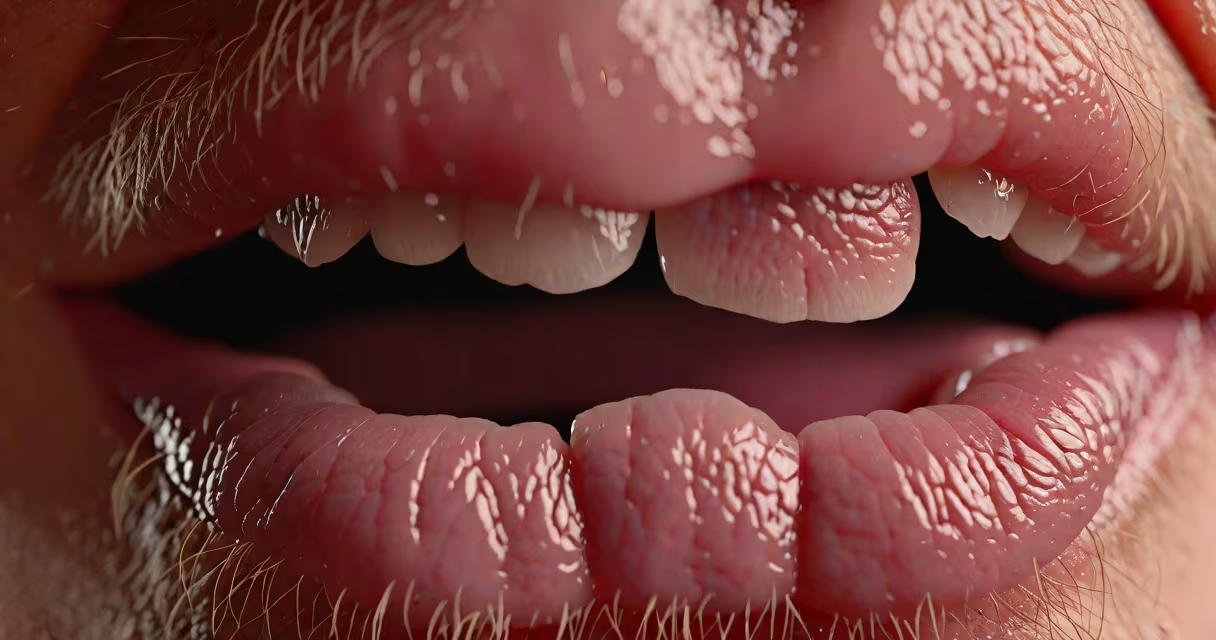
A hairy tongue appears as a thick, fuzzy layer covering the surface of the tongue, often with dark or discolored patches. The condition results from elongated filiform papillae trapping debris, bacteria, and dead cells. It's not actually hair-it's a buildup of keratin and microorganisms.
The most noticeable feature is the texture: the tongue looks like it's covered in fine, matted fibers. Colors vary-white, yellow, gray, brown, or black-depending on the material trapped. Black hairy tongue, the most visually striking form, occurs when pigmented bacteria or fungi grow in the elongated papillae. This discoloration is not harmful but can be alarming.
Visible signs include a rough, uneven surface, especially along the sides and back of the tongue. In mild cases, the condition may appear only under close inspection. Severe cases show dense, patchy growth resembling fur. The texture feels dry or gritty when touched with the tongue or a cotton swab.
Hairy tongue develops when the filiform papillae-the tiny, finger-like projections on the tongue's surface-grow longer than normal. Normally, these papillae shed skin cells regularly. When shedding slows, keratin accumulates and forms a thick, fibrous layer. Bacteria, fungi, and food particles then embed in this buildup.
Common triggers include poor oral hygiene, smoking, antibiotic use, mouthwash containing alcohol, dehydration, and dry mouth. People who consume large amounts of coffee, tea, or colored foods may notice faster discoloration. A 2018 study in the Journal of Oral Biology and Craniofacial Research found that 67% of patients with black hairy tongue had used antibiotics within the past month.
One patient I observed during a dental clinic visit had a visibly darkened tongue after five days of using a chlorhexidine mouth rinse. The discoloration resolved within two weeks after switching to a non-alcohol rinse and increasing water intake. This case illustrates how common products can trigger the condition.
Different forms of hairy tongue vary in color and severity. The most common types are:
| Type | Appearance | Common Cause |
|---|---|---|
| White hairy tongue | Fuzzy, whitish coating; may resemble thrush | Debris buildup, poor brushing, fungal overgrowth |
| Black hairy tongue | Dark, velvety patches; sometimes smells unpleasant | Pigmented bacteria (e.g., Chromobacterium), tobacco use |
| Yellow or greenish | Discoloration with a greasy sheen | Bacterial overgrowth, antibiotic use |
White hairy tongue is often mistaken for oral thrush-a fungal infection caused by *Candida albicans*. But thrush typically shows creamy white patches that can be wiped off, leaving red, raw tissue underneath. Hairy tongue does not peel away easily and lacks the pain or soreness associated with thrush.
Another key difference: hairy tongue affects the entire dorsal surface, while thrush tends to cluster on the sides or near the tonsils. According to the American Dental Association, thrush is more common in infants, elderly individuals, and those with weakened immune systems-conditions not required for hairy tongue.
Most cases resolve with improved oral hygiene. Brushing the tongue daily with a soft-bristled toothbrush or using a tongue scraper removes the accumulated debris. Rinsing with water or a non-alcohol mouthwash reduces bacterial load.
If symptoms persist beyond two weeks, or if the discoloration spreads rapidly, consult a dentist or doctor. Persistent black hairy tongue may indicate underlying issues such as HIV, diabetes, or long-term antibiotic therapy. The Mayo Clinic notes that while rare, persistent cases can signal systemic conditions requiring evaluation.
One patient reported a sudden onset of black patches after starting a new antibiotic regimen. After discontinuing the medication and improving hygiene, the condition cleared in ten days. This case highlights that treatment often begins with identifying the root cause.
Many people assume hairy tongue is contagious or linked to poor hygiene alone. While hygiene plays a role, the condition can develop even in people who brush twice daily. It's not a sign of uncleanliness-it's a physiological response to internal and external factors.
Another misconception is that it requires medical treatment. Most cases improve with simple changes. However, ignoring severe or recurring cases can lead to secondary infections or chronic bad breath. The condition is not dangerous, but it can affect quality of life due to embarrassment or anxiety.
Understanding what a hairy tongue looks like helps reduce unnecessary worry. It's a benign condition in most cases, but knowing the visual cues allows timely intervention when needed.