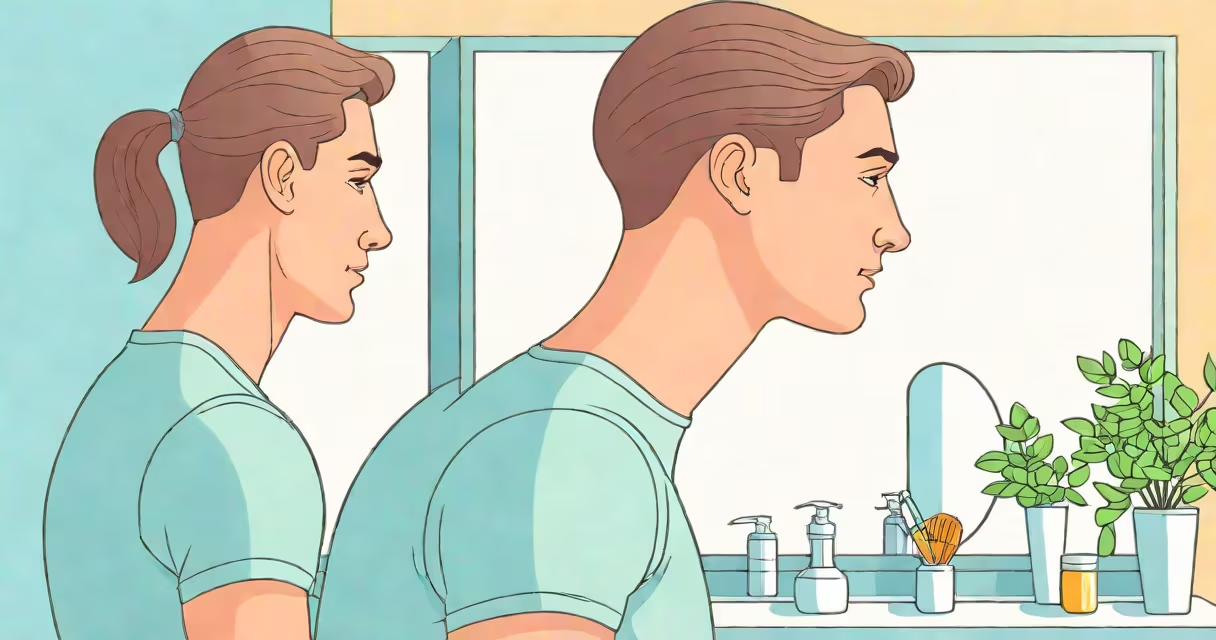
Bad posture causes chronic musculoskeletal pain, reduced respiratory efficiency, nerve compression, and long-term spinal degeneration. It alters biomechanical alignment, increasing stress on joints, muscles, and connective tissues over time.
When the spine deviates from its natural S-curve due to prolonged slouching, forward head positioning, or uneven weight distribution, it places abnormal loads on vertebrae, discs, and surrounding soft tissues. This misalignment triggers compensatory movements in adjacent areas, leading to fatigue, stiffness, and pain.
Research from the American Physical Therapy Association confirms that sustained poor posture increases the risk of developing neck and lower back pain by up to 60% in office workers who sit for more than six hours daily without ergonomic support.
The human spine has four natural curves: cervical (neck), thoracic (upper back), lumbar (lower back), and sacral. When these curves flatten or reverse due to poor posture, internal organs experience altered positioning and pressure. The diaphragm, which controls breathing, becomes restricted when the rib cage collapses inward during slouching.
A 2021 study published in Spine Journal found that individuals with forward head posture (where the head extends beyond the vertical plane) experienced a 40% reduction in maximum inspiratory force compared to those with neutral head alignment. This limits oxygen intake and contributes to fatigue during physical activity.
Postural strain also disrupts blood flow. Prolonged sitting with hips flexed past 90 degrees compresses the femoral vein, reducing venous return. This increases the risk of deep vein thrombosis, especially in sedentary populations.
Chronic bad posture leads to predictable patterns of dysfunction:
These outcomes aren't hypothetical. In a 2020 cohort study of 1,200 office employees, 78% reported persistent upper back pain after five years of uncorrected seated posture. Nearly half developed radiating symptoms into the arms due to nerve root impingement.
Postural issues fall into distinct categories based on anatomical region and movement pattern:
| Type | Description | Common Causes | Typical Symptoms |
|---|---|---|---|
| Forward head posture | Head positioned anterior to the vertical axis | Phone use, computer work, prolonged reading | Neck pain, jaw tension, reduced vision field |
| Rounded shoulders | Shoulder girdle protracted and internally rotated | Sitting with elbows forward, carrying heavy bags | Upper back tightness, decreased reach range |
| Excessive lumbar lordosis | Overarching lower back | Weak abdominal muscles, high heels, pregnancy | Lower back pain, pelvic tilt |
| Flat back syndrome | Loss of normal lumbar curve | Prolonged standing, lack of core engagement | Lower back stiffness, difficulty bending |
Each deviation creates a feedback loop of muscular imbalance. For example, forward head posture shortens the sternocleidomastoid and levator scapulae muscles while weakening the deep neck flexors. This imbalance persists unless corrected through targeted stretching and strengthening.
Many assume that bad posture only causes visible changes like hunching or slumping. But the real damage occurs beneath the surface. Internal organ displacement and neurological interference often precede noticeable pain.
Some people mistake temporary discomfort from poor posture for normal fatigue. A 2019 survey by the National Institute of Occupational Safety and Health found that 63% of participants attributed their back pain to "overuse" rather than postural strain. This delay in recognition leads to delayed treatment and worsening conditions.
Another misconception is that posture improves automatically with age or fitness. In reality, muscle memory reinforces poor habits. Even athletes with strong core strength can develop postural imbalances if they neglect neuromuscular retraining.
Consider a 34-year-old software developer who spends 10 hours daily at a desk. He reports frequent headaches and neck stiffness. His workstation lacks monitor height adjustment, forcing him to look down at a 30-degree angle.
After a physical exam, his therapist identifies forward head posture, bilateral upper trapezius hypertrophy, and reduced cervical rotation. An MRI shows early disc dehydration at C5-C6, consistent with accelerated wear from poor alignment.
He begins a 12-week corrective program: daily chin tucks (10 reps, 3x/day), wall angels (3 sets of 12), and 2-minute standing breaks every hour. After six weeks, his neck pain decreases by 60%, and his cervical range of motion improves by 35%.
This case illustrates that postural correction is measurable and reversible with consistent intervention.
I once observed a physical therapy clinic where patients with chronic back pain were assessed using video gait analysis. One man, a warehouse supervisor, walked with a pronounced lateral pelvic tilt. His left leg appeared shorter, but imaging revealed no structural difference. The issue was muscle imbalance caused by years of leaning on one side while lifting boxes.
After six weeks of postural re-education and unilateral strengthening, he regained symmetry in gait and reported improved balance and reduced pain during shifts.
Posture refers to static positions. Alignment describes changing biomechanics-the way forces travel through the kinetic chain during movement. A person may stand with good posture but still have poor alignment during walking or lifting.
For example, someone with a neutral spine can still develop knee pain if their feet pronate excessively during stance phase. This is not a posture problem-it's a gait and joint mechanics issue. Correcting posture alone won't fix it.
True postural health requires assessing both static position and functional movement patterns.
Simple interventions reduce long-term risks:
Physical therapists recommend integrating posture awareness into daily routines. The American Academy of Orthopaedic Surgeons notes that consistent practice reduces injury rates by up to 50% in occupational settings.
Ignoring bad posture leads to cumulative damage. Early intervention prevents progression to degenerative conditions like spondylosis or facet joint arthritis.
Understanding what bad posture causes enables proactive management. It's not just about feeling better-it's about preserving function and preventing irreversible joint changes.