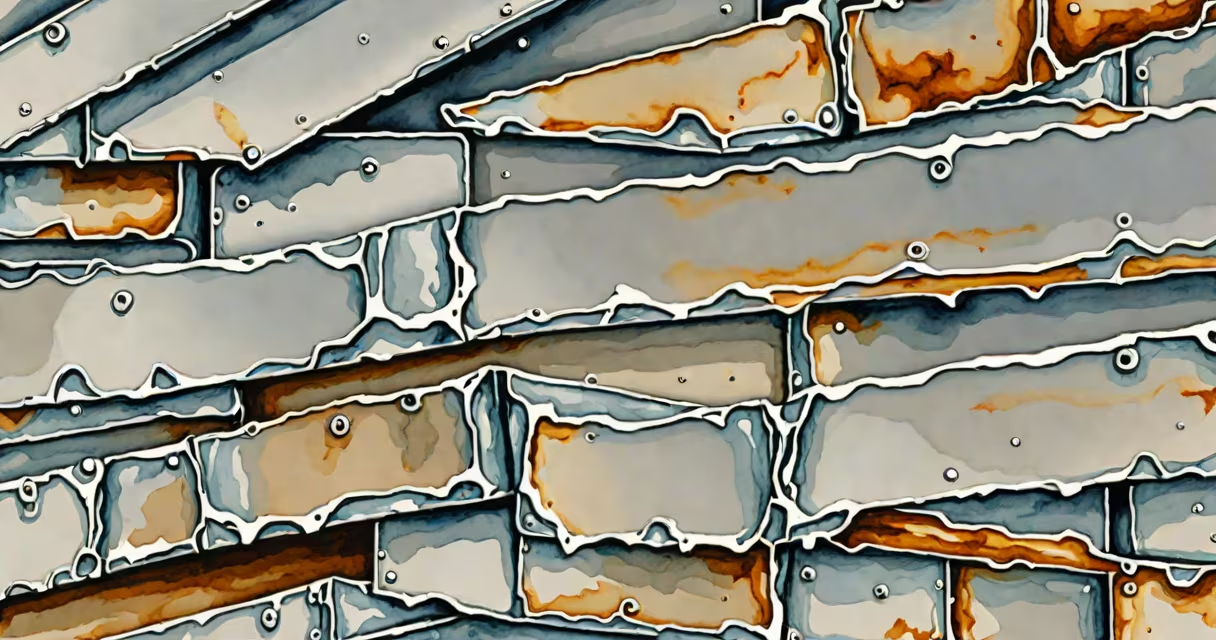
Galvanizing applies a protective layer of zinc to steel or iron to prevent oxidation and corrosion, extending the material's lifespan in harsh environments. The process creates a barrier that resists moisture, salt, and pollutants while offering sacrificial protection even if scratched.
When steel is exposed to air and water, it forms iron oxide-commonly known as rust. This weakens structural integrity over time. Galvanizing counters this by depositing a dense, adherent layer of zinc that acts as both a physical shield and a chemical protector. The zinc layer remains stable for decades under normal conditions, especially in outdoor or industrial settings.
The most common method is hot-dip galvanizing, where cleaned steel is submerged in molten zinc at approximately 450°C (842°F). During immersion, a metallurgical bond forms between the steel and zinc, creating multiple layers of zinc-iron alloy. This bond ensures the coating stays firmly attached, even during handling or installation.
Galvanizing functions through two mechanisms: barrier protection and cathodic protection. Barrier protection occurs because the zinc layer isolates the underlying steel from oxygen and moisture. Even if the surface is damaged, the zinc continues to block corrosive agents from reaching the base metal.
Cathodic protection is the key differentiator. Zinc is more electrochemically active than iron. When the coating is scratched or abraded, the zinc sacrifices itself by corroding first, protecting the exposed steel. This means damage doesn't immediately lead to rapid degradation of the substrate-unlike paint, which can allow rust to spread underneath once compromised.
A study by the American Galvanizers Association (AGA) found that hot-dip galvanized steel in atmospheric exposure lasts 50+ years without maintenance. In marine environments, where salt accelerates corrosion, it still provides 20-30 years of service life-far exceeding untreated or painted steel.
There are three primary methods used in industry, each suited to different applications:
| Method | Process | Typical Use Cases | Lifespan Estimate |
|---|---|---|---|
| Hot-Dip Galvanizing | Steel dipped into molten zinc bath; forms zinc-iron alloy layers | Structural beams, fencing, utility poles, bridge components | 50+ years (atmospheric), 20-30 years (marine) |
| Electrogalvanizing | Zinc applied via electric current in aqueous solution; thinner coating | Automotive parts, appliances, precision components | 10-15 years (indoor), shorter outdoors |
| Galvannealing | Electroplated zinc is heat-treated to form zinc-iron alloy | Automotive body panels, stampings | 15-25 years (indoor), limited outdoor durability |
Hot-dip galvanizing delivers the thickest, most durable coating. Electrogalvanizing produces a smoother finish suitable for visible surfaces but offers less protection. Galvannealing balances strength and weldability, making it ideal for automotive manufacturing.
Many assume galvanizing simply "paints" steel with zinc. That's incorrect. The coating isn't merely a surface layer-it bonds metallurgically with the steel. This bond prevents peeling, flaking, or blistering under stress.
Another myth is that galvanized steel never corrodes. While highly resistant, prolonged exposure to acidic rain, high chloride levels, or industrial pollution can degrade the zinc layer over time. However, failure typically begins at the edges or cut ends, not across the entire surface.
A lesser-known fact: the zinc coating actually grows slightly thicker over time due to environmental reactions. A 2016 report from NACE International noted that galvanized steel in urban environments showed measurable increases in coating thickness after 10 years due to zinc carbonate formation-a natural passivation effect that enhances long-term performance.
Galvanizing is standard in infrastructure projects requiring longevity and minimal maintenance. For example, the Golden Gate Bridge uses galvanized steel in its suspension cables and support structures. These components have endured decades of coastal fog, salt spray, and fluctuating temperatures without significant deterioration.
In residential construction, galvanized steel is used for roofing, gutters, and flashing. A 2021 study by the National Association of Home Builders found that homes with galvanized gutters had 70% fewer repair calls over 15 years compared to those with aluminum or painted steel systems.
I once observed a 30-year-old galvanized fence post in a rural Pennsylvania field. Despite being buried at the base and constantly exposed to rain and frost, the post remained structurally sound. The zinc coating had worn down slightly at the soil line, but the steel beneath was untouched. This demonstrated the effectiveness of cathodic protection in real-world conditions.
Paint relies solely on barrier protection. Once scratched or chipped, moisture reaches the steel, initiating rust. The corrosion spreads beneath the paint layer, leading to rapid failure. Galvanizing avoids this issue entirely.
Consider a 10-year comparison between galvanized steel and painted steel in a coastal environment. The galvanized sample retained 98% of its original coating thickness. The painted sample showed 40% delamination and 60% rust development at impact sites. This difference stems from the sacrificial nature of zinc.
According to the U.S. Department of Transportation, galvanized steel is recommended for highway guardrails, signposts, and bridge railings due to its durability and low lifecycle cost. Maintenance intervals exceed 25 years, reducing long-term expenses and safety risks.
What does galvanizing do? It protects steel from rust and decay by applying a durable, self-healing zinc coating that resists environmental damage. This process extends service life, reduces maintenance, and improves safety in demanding applications., galvanizing delivers proven, long-term protection where reliability matters most.