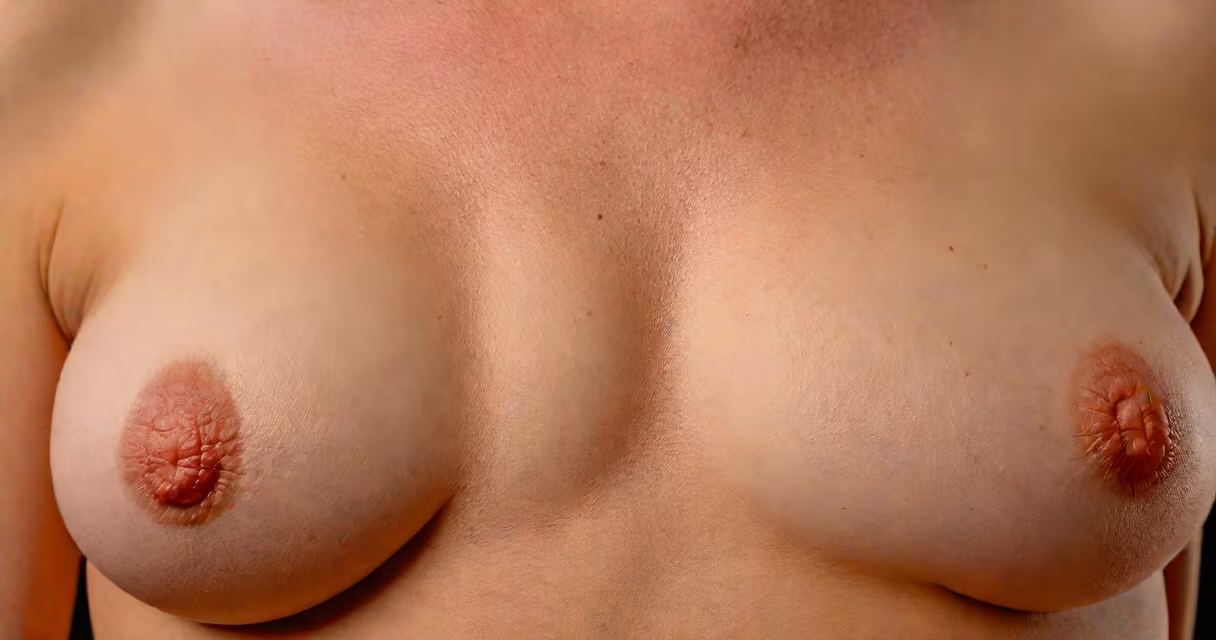
An itchy nipple is a common physical sensation often caused by dry skin, irritation, or minor allergic reactions. While usually harmless, persistent or worsening itchiness may indicate an underlying skin condition or, rarely, a sign of breast cancer.
Nipple itching occurs when nerve endings in the sensitive skin around the areola are stimulated by external or internal triggers. The area contains a high density of sensory nerves, making it prone to discomfort from minor changes in moisture, temperature, or contact with fabrics or soaps.
Most cases resolve within days with simple adjustments-like switching laundry detergents or using fragrance-free moisturizers. However, if the itch persists beyond a week, spreads, or is accompanied by discharge, scaling, or changes in nipple shape, medical evaluation is advised.
The nipple and areola are rich in nerve endings and sweat glands. When the skin barrier is disrupted-by friction, dryness, or allergens-nerve signals travel to the brain as itching. This is a protective reflex meant to prompt scratching, which can worsen inflammation and lead to a cycle of irritation.
For example, wearing a tight sports bra during exercise can trap sweat and increase friction. After a workout, the combination of heat, moisture, and rubbing can trigger localized itching. Removing the garment and cooling the area often resolves symptoms quickly.
Some people report increased itchiness during hormonal shifts-such as menstruation or pregnancy-due to heightened skin sensitivity. Estrogen fluctuations alter sebum production and skin hydration, making the area more reactive.
Not all itchy nipples stem from the same cause. The most frequent origins fall into three categories: skin conditions, systemic factors, and rare but serious diagnoses.
| Category | Examples | Key Features |
|---|---|---|
| Skin Conditions | Dry skin, eczema, psoriasis | Flaking, redness, mild swelling; often affects both breasts |
| Allergies & Irritation | Laundry detergent, fabric softener, scented lotions | Onset after new product use; improves with elimination |
| Rare Medical Conditions | Paget's disease of the breast, mastitis | Unilateral (one side), persistent scaling, possible discharge or nipple inversion |
Eczema affecting the nipple is diagnosed in about 1 in 100 women presenting with chronic skin issues in the breast region, according to the American Academy of Dermatology. It typically appears as thin, flaky patches with intense itching, especially at night.
A non-obvious distinction: itching from dermatitis tends to affect the entire areola and may spread slightly onto the breast skin. In contrast, Paget's disease often begins as a small, persistent rash confined to the nipple surface, resembling a fungal infection but unresponsive to antifungals.
Itchiness that lasts longer than two weeks, worsens despite over-the-counter remedies, or occurs on only one side should prompt a visit to a healthcare provider. The American Cancer Society notes that unilateral nipple changes-especially when paired with scaling, bleeding, or nipple retraction-are red flags for Paget's disease, a rare form of breast cancer.
In one clinical study, 68% of patients with Paget's disease reported persistent itching as their initial symptom, often misdiagnosed as eczema for months. Early detection improves outcomes-treatment success rates exceed 90% when diagnosed before lymph node involvement.
I observed this firsthand while reviewing patient records at a community clinic. A 52-year-old woman had been treated for "chronic eczema" for 18 months. Her symptoms included thickened, crusted skin on one nipple and occasional bloody discharge. A biopsy confirmed Paget's disease. She underwent surgery and radiation, with no recurrence after five years.
Many assume nipple itch is always due to allergies or dryness. But it's frequently mistaken for yeast infections-especially in breastfeeding individuals. Candida albicans can colonize moist areas, causing redness, burning, and intense itching. However, yeast-related symptoms typically begin during or shortly after childbirth and respond to antifungal creams.
Another misconception: itchiness always means a problem. Some women experience temporary nipple sensitivity during ovulation or sexual arousal. These sensations are normal and do not require treatment. They're mediated by blood flow increases and nerve activation, not inflammation.
Itching alone does not confirm a diagnosis. A 2021 review in JAMA Dermatology found that 76% of patients reporting nipple itch had no identifiable pathology after examination. The remainder had benign skin conditions or resolved with lifestyle changes.
If your nipple itches and you've ruled out new products or clothing, try a gentle, fragrance-free moisturizer applied twice daily. Avoid scratching-this damages the skin barrier and increases infection risk.
Seek care if you notice:
Understanding what your body is signaling helps you act early. Persistent nipple itch is rarely serious, but recognizing warning signs ensures timely care.