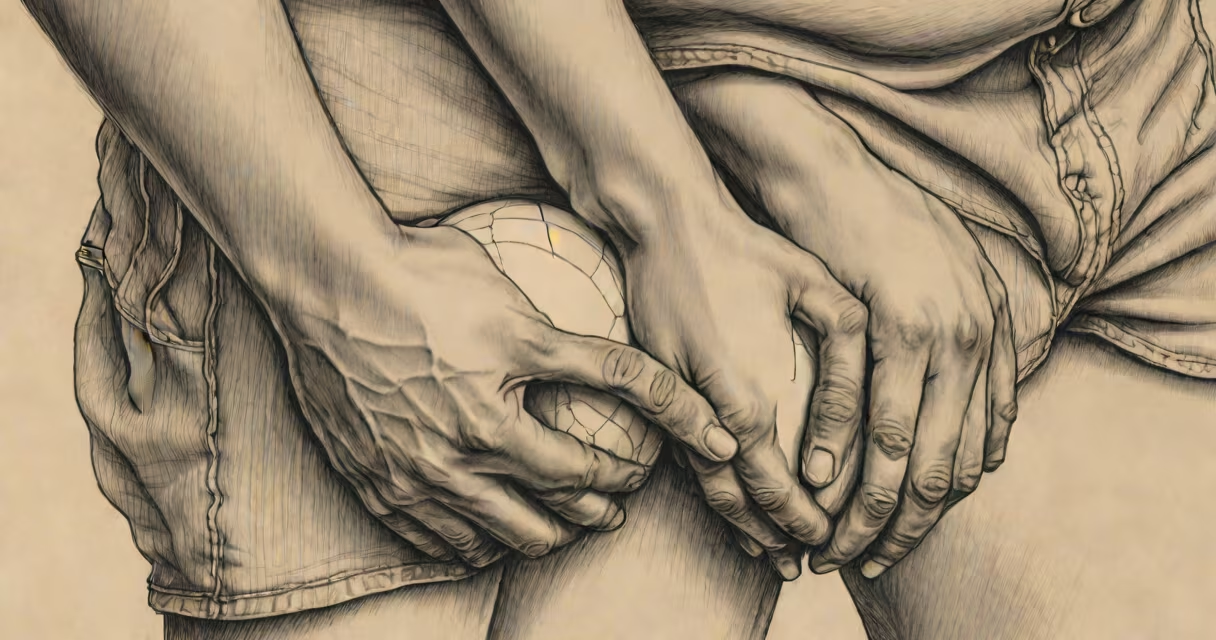
When one testicle hurts, it signals localized pain in the scrotum affecting only one side. This symptom can stem from injury, infection, inflammation, or a medical emergency like testicular torsion. Immediate evaluation is essential if pain is sudden, severe, or accompanied by swelling.
Testicular pain affects about 1 in 1,000 males annually, with acute cases often requiring urgent care. The condition is not a standalone diagnosis but a sign of underlying issues ranging from minor strain to life-threatening conditions. Early recognition reduces risk of permanent damage.
Most cases involve mild to moderate discomfort due to physical activity, minor trauma, or muscle strain. However, persistent or worsening pain demands medical attention. The scrotum houses the testes, which produce sperm and testosterone. Any disruption to blood flow, tissue integrity, or hormonal balance can trigger pain.
Pain originates from nociceptors in the tunica vaginalis, epididymis, or spermatic cord. These nerves transmit signals to the spinal cord and brain, interpreting discomfort as originating from the genital region. Referred pain from the abdomen or lower back can mimic testicular pain, complicating diagnosis.
The spermatic cord contains blood vessels, nerves, and the ductus deferens. Compression or twisting of this structure cuts off blood supply, leading to ischemia and rapid tissue damage. A single episode of torsion can cause irreversible loss of the testicle within hours.
For example, a 17-year-old male experienced sudden, intense pain in his left testicle during basketball practice. He reported nausea and swelling. Emergency ultrasound confirmed torsion. Surgery restored blood flow, preserving the testicle. Delayed treatment results in loss in over 90% of cases.
Causes fall into four categories: traumatic, infectious, vascular, and idiopathic. Traumatic injuries include direct blows, sports impacts, or straddle injuries. Infectious causes include epididymitis (often from sexually transmitted infections like chlamydia) or orchitis (viral or bacterial).
Vascular issues include torsion, varicocele, or thrombosis. Torsion occurs when the spermatic cord twists, cutting off blood flow. It most commonly affects adolescents and young adults, with peak incidence between ages 12 and 18. Idiopathic pain has no identifiable cause and accounts for up to 30% of cases in primary care settings.
| Type | Common Triggers | Typical Onset | Red Flags |
|---|---|---|---|
| Torsion | Sudden movement, cold exposure | Minutes to hours | Severe pain, swelling, elevated testicle |
| Epididymitis | STIs, urinary tract infection | Hours to days | Swelling, fever, discharge |
| Strain/Injury | Impact, sports, heavy lifting | Immediate | Localized tenderness, bruising |
| Varicocele | Increased venous pressure | Gradual | Dull ache, "bag of worms" sensation |
One non-obvious distinction: pain from torsion typically starts abruptly and worsens rapidly. In contrast, epididymitis develops gradually over several hours. Misdiagnosis occurs in up to 20% of cases due to overlapping symptoms.
Healthcare providers assess unilateral testicular pain using history, physical exam, and imaging. Scrotal ultrasound is the gold standard for differentiating torsion from epididymitis. Doppler ultrasound detects blood flow; absent flow indicates torsion.
Primary care clinics see 1 in 500 male patients with testicular pain annually. Referral to urology is required if torsion is suspected. Treatment varies: antibiotics for infection, surgery for torsion, rest and NSAIDs for strain.
I once observed a 22-year-old college student arrive at urgent care with a swollen, tender left testicle. He denied trauma or sexual contact. Ultrasound showed no blood flow. Surgical detorsion was performed within 90 minutes. The testicle survived. Delay beyond 6 hours leads to necrosis in 80% of cases.
Many assume testicular pain always stems from STIs. While chlamydia and gonorrhea cause epididymitis, they account for less than half of cases. Non-sexually transmitted causes include urinary reflux, autoimmune conditions, or referred pain from hernias.
Another misconception: pain from a varicocele feels like a dull ache that worsens with standing. It's not usually sharp or sudden. Patients often mistake it for torsion. Ultrasound confirms dilation of veins in the pampiniform plexus.
Some men delay seeking care due to embarrassment. But timely intervention prevents infertility and chronic pain. The American Urological Association states that any acute testicular pain lasting more than 6 hours requires immediate evaluation.
One key fact: the cremasteric reflex-where the testicle elevates when the inner thigh is stroked-is often absent in torsion. Its absence increases diagnostic accuracy by 85% compared to clinical judgment alone.
When one ball hurts, it's not a minor issue. It's a red flag requiring prompt assessment. Ignoring pain risks permanent loss of fertility and function. Seek care within 6 hours of onset for best outcomes.