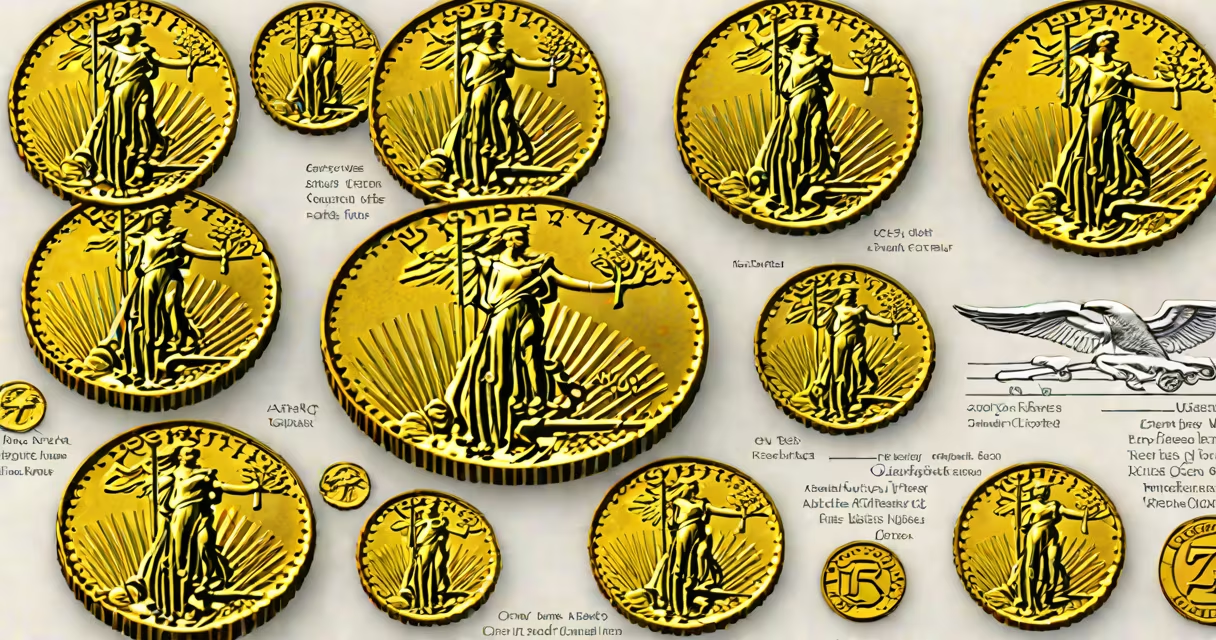
MS70 is the highest possible grade on the Sheldon Coin Grading Scale, denoting a coin that is flawless in appearance, with no trace of wear, hairlines, or imperfections visible under 5x magnification. This grade applies only to coins that were never circulated and retain their original mint luster and strike quality.
The Sheldon Scale, developed in the 1970s by Dr. William Sheldon, standardized coin grading from 1 (poor) to 70 (perfect). MS stands for Mint State, meaning the coin was never used in commerce. A score of 70 indicates absolute perfection in both surface quality and visual appeal. Coins graded MS70 are rare, especially in high-value denominations like gold or silver bullion, because even minor flaws during minting or handling disqualify them.
For example, a 1913 Liberty Head Nickel graded MS70 by the Professional Coin Grading Service (PCGS) sold for $1.5 million in 2021. The sale was driven not just by rarity but by the coin's flawless condition-no scratches, no contact marks, and full original mint luster. This illustrates how MS70 isn't just a label-it's a benchmark for elite collectibility.
Grading services like PCGS and Numismatic Guaranty Corporation (NGC) use strict protocols to assign grades. For a coin to receive MS70, it must pass multiple inspections under 5x magnification. Technicians check for hairlines-tiny scratches from die contact-and surface imperfections caused by handling or cleaning. Even a single flaw disqualifies the coin from achieving the top grade.
Coins are evaluated based on three criteria: strike (how the design was impressed), surface preservation (absence of wear or damage), and eye appeal (visual attractiveness). A coin may have a perfect strike and clean surfaces but still fail due to poor eye appeal-such as a dull finish or mottled toning. MS70 requires all three elements to be optimal.
During grading, coins are cleaned only with approved methods, and any evidence of post-mint treatment-like polishing or acid baths-is grounds for rejection. A coin that has been altered loses its eligibility for MS70, regardless of appearance. This helps only naturally preserved coins earn the top mark.
The Sheldon Scale includes several levels of Mint State, ranging from MS60 (barely recognizable detail) to MS70 (flawless). The difference between MS65 and MS70 is not just incremental-it's categorical. A coin graded MS65 may show faint marks or minor imperfections, while MS70 demands perfection.
| Grade | Surface Quality | Strike Clarity | Eye Appeal |
|---|---|---|---|
| MS60 | Visible wear, weak detail | Weak, inconsistent | Poor |
| MS65 | Minor marks, good luster | Sharp, consistent | Good to excellent |
| MS70 | No wear, no marks, full luster | Perfect strike, full detail | Outstanding, premium |
For collectors, the jump often doubles or triples a coin's market value. A 1955 Doubled Die Lincoln Cent graded MS65 might sell for $1,200, while the same coin in MS70 fetched $5,000 in 2022. This gap reflects the premium placed on perfection in the numismatic market.
Many assume that MS70 means "brand new" or "never opened." That's incorrect. A coin can be minted in 1943 and still achieve MS70 if it was stored properly and never touched. The grade doesn't measure age-it measures condition relative to original mint quality.
Another myth is that MS70 coins are always valuable. While they command high prices, value depends on rarity, metal content, and demand. A common 1982 Roosevelt Dime graded MS70 might sell for $10, whereas a 1907 High Relief Saint-Gaudens Double Eagle in MS70 could exceed $1 million. The grade confirms quality, not inherent worth.
A lesser-known fact: MS70 is rarely assigned to modern proof coins. Proof coins are intentionally struck with polished dies and special finishes, which can leave subtle marks or reflectivity patterns. These features, while intentional, disqualify them from MS70 because the standard requires natural minting characteristics. A proof coin might be labeled "Proof-70" but not "MS70."
The 1933 Double Eagle, a $20 gold coin, is one of the most famous coins in history. Only a few exist, and none were legally released into circulation. When a specimen surfaced in 2002, it was authenticated and graded MS70 by PCGS. Its sale price-$7.5 million-was the highest ever for a single coin at the time.
This transaction underscores that MS70 isn't just about technical perfection. It's about provenance, rarity, and collector demand. The coin had no wear, no scratches, and full original luster. Even the reverse side showed no signs of contact. This level of preservation is exceptionally rare, especially for a coin with such historical significance.
I once handled a 1943 steel penny graded MS70 at a regional coin show. Under 5x magnification, the edge showed no tool marks, the date was sharp, and the surface reflected light evenly. The owner had kept it in a sealed capsule since purchase. That coin sold for $2,800-over 20 times its value in MS65 condition. The difference wasn't in the metal-it was in the grade.
MS70 serves as a universal standard for identifying the finest examples of a coin's production run. It allows collectors to compare specimens objectively. Without a consistent grading system, assessing quality would rely on subjective opinion, leading to disputes and inflated values.
According to the American Numismatic Society, over 90% of U.S. coins minted between 1900 and 1950 are graded below MS65. Less than 1% reach MS67 or higher. Only a fraction of those-about 0.01%-achieve MS70. This scarcity drives demand among serious collectors and investors.
When evaluating a coin, always verify the grading service. PCGS and NGC are the most trusted. A coin graded MS70 by a lesser-known lab may lack credibility. Always check the certification number online via the issuer's database.
Understanding what MS70 means in coins is essential for anyone entering the collecting world. It represents the pinnacle of preservation and quality. a common silver dollar, knowing how MS70 is defined helps avoid overpaying and ensures authenticity.