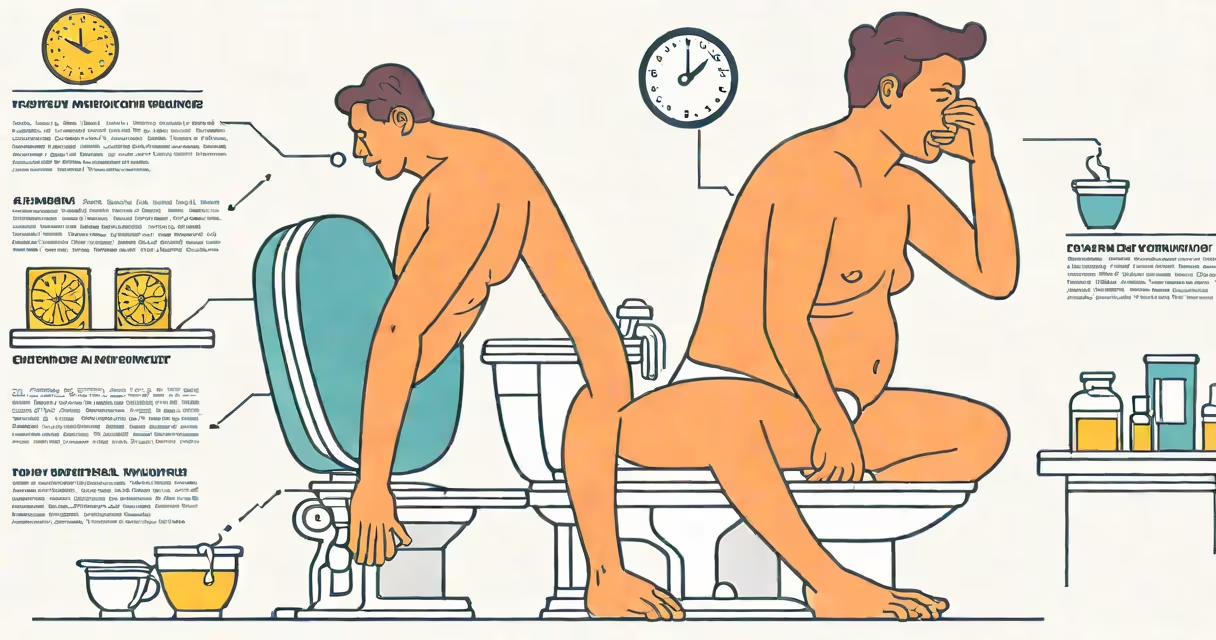
Constipation occurs when bowel movements become less frequent-typically fewer than three per week-and stools are hard, dry, or difficult to pass. This condition results from slowed movement of waste through the large intestine, allowing excessive water absorption and stool formation.
The large intestine absorbs water from digested food. Normally, this process takes about 36 to 48 hours. In constipation, transit time extends beyond 72 hours. As waste remains longer, more water is drawn out, turning soft stool into hard, pellet-like lumps. The colon's muscular contractions weaken, reducing propulsion. This leads to straining, bloating, and a sensation of incomplete evacuation.
According to the National Institute of Diabetes and Digestive and Kidney Diseases (NIDDK), constipation affects about 16 million Americans annually. It is more common in women and older adults. Chronic constipation may stem from dietary factors, medication side effects, hormonal imbalances, or underlying conditions such as irritable bowel syndrome (IBS) or hypothyroidism.
When food enters the small intestine, nutrients are absorbed. The remaining material moves into the large intestine, where water and electrolytes are reclaimed. Healthy motility relies on coordinated muscle contractions called peristalsis. These waves push contents forward. In constipation, this coordination fails.
Neurotransmitters like serotonin and acetylcholine regulate gut motility. Low levels or disrupted signaling can reduce contractions. The enteric nervous system-the "second brain" of the gut-may malfunction, especially under stress or in neurological disorders. This disruption slows transit, increasing the risk of constipation.
A 2021 study published in Gastroenterology found that individuals with chronic constipation had lower levels of colonic motility compared to healthy controls. The study measured contraction frequency using manometry and confirmed reduced wave amplitude in the descending colon. This physiological evidence shows constipation is not simply "not going enough"-it involves measurable dysfunction in gut muscle activity.
Constipation is categorized as primary (idiopathic) or secondary. Primary constipation lacks an identifiable cause and includes functional constipation, often linked to diet, fluid intake, or lifestyle. Secondary constipation arises from medical conditions or medications.
| Type | Common Causes | Prevalence |
|---|---|---|
| Primary (functional) | Diet low in fiber, dehydration, sedentary behavior, ignoring bowel urges | ~80% of cases |
| Secondary | Opioid painkillers, antidepressants, hypothyroidism, diabetes, IBS-C | ~20% of cases |
Medications are a frequent culprit. Opioids bind to mu-opioid receptors in the gut, slowing peristalsis and increasing water absorption. A 2019 review in Pharmacotherapy reported that up to 40% of patients on long-term opioid therapy develop constipation. This is not a side effect-it's a direct pharmacological action.
Another overlooked factor is pelvic floor dysfunction. Some people cannot relax the puborectalis muscle during defecation, leading to outlet obstruction. This condition, known as dyssynergic defecation, accounts for up to 30% of refractory constipation cases. It requires specialized evaluation and biofeedback training to correct.
Many assume constipation means going only once a week. But normal bowel habits vary widely. The Bristol Stool Scale classifies stool into seven types, with Types 1 and 2 indicating constipation. Type 1 is separate, hard lumps; Type 2 is sausage-shaped but lumpy. These are signs of inadequate hydration or insufficient fiber.
Some believe laxatives are safe for daily use. This is false. Overuse of stimulant laxatives like senna can damage colonic nerves and lead to dependency. The American Gastroenterological Association warns against prolonged use, citing increased risk of electrolyte imbalance and worsening motility issues.
Another myth: constipation causes toxin buildup. There is no scientific basis for this claim. The colon does not absorb toxins from feces. Waste is excreted within 24-72 hours. Delayed transit doesn't increase systemic toxin load. The discomfort stems from distension and pressure-not poisoning.
In 2022, a 54-year-old woman presented with six weeks of infrequent bowel movements, abdominal bloating, and straining. She reported drinking only two cups of water daily and eating minimal fruits or vegetables. Her diet consisted mostly of processed foods and red meat. Blood tests showed normal thyroid function and no electrolyte abnormalities.
She was diagnosed with primary constipation due to low fiber and fluid intake. After increasing her daily water intake to 2.5 liters and adding 30 grams of fiber from oats, beans, and leafy greens, she began having regular bowel movements within five days. Her stool consistency improved from Type 1 to Type 3 on the Bristol scale.
This case illustrates that most constipation is preventable through basic nutrition and hydration. It also highlights that symptom relief does not require medication-lifestyle changes are often sufficient.
If constipation persists beyond three weeks despite dietary changes, consult a healthcare provider. Red flags include blood in stool, unexplained weight loss, or sudden onset in someone over 50. These may indicate structural issues like colorectal polyps or cancer.
For mild cases, increasing fiber intake to 25-30 grams per day and drinking 1.5-2 liters of water daily can restore regularity. Soluble fiber (oats, psyllium husk) forms gel-like substances that soften stool. Insoluble fiber (whole grains, vegetables) adds bulk and stimulates contractions.
Exercise also plays a role. A 2020 randomized controlled trial in Alimentary Pharmacology & Therapeutics found that participants who walked 30 minutes daily for four weeks had a 45% improvement in bowel frequency compared to the control group. Physical activity enhances colonic motility via neural and hormonal pathways.
For persistent cases, medical guidance is essential. Explore evidence-based strategies to relieve constipation safely. Avoid self-treatment with enemas or high-dose laxatives unless directed by a doctor.
Understanding what happens when you're constipated reveals it as a symptom, not a standalone disease. It signals an imbalance in diet, hydration, or gut function. Addressing root causes prevents recurring episodes and supports long-term digestive health.