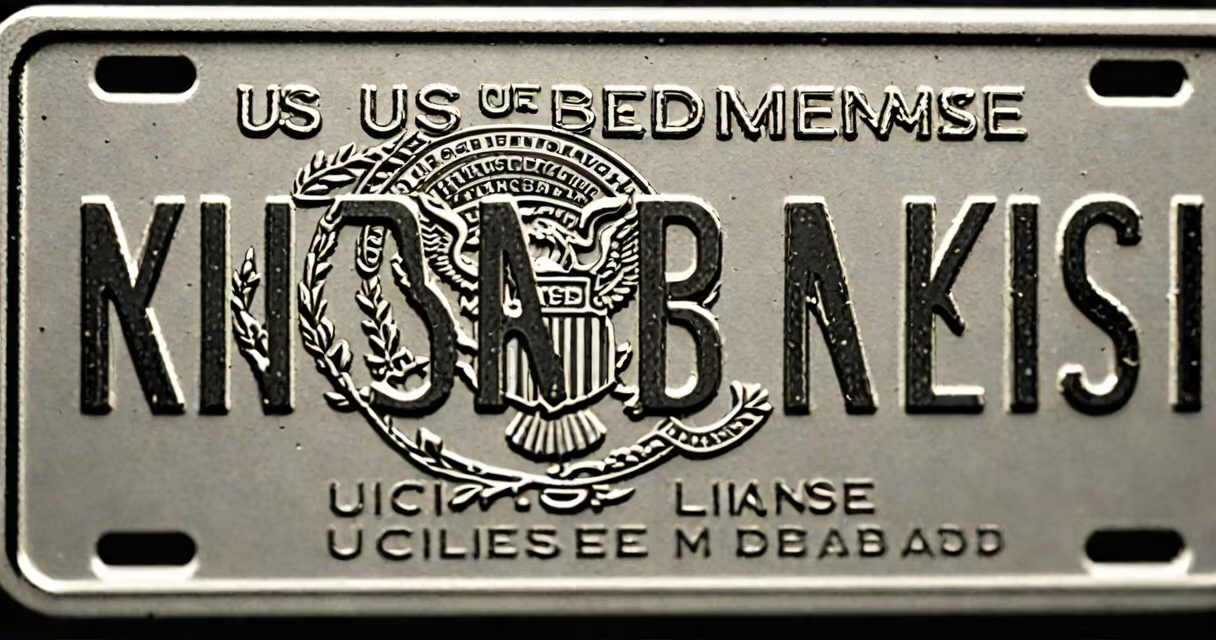
A license plate is a rigid, standardized identifier for motor vehicles, typically constructed from aluminum with a reflective coating and a protective backing layer. It must meet federal safety standards for visibility, durability, and legibility under various lighting conditions.
License plates are engineered to endure harsh environmental exposure-sunlight, rain, salt, road debris-while remaining readable from a distance. The core structure consists of a metal substrate, a reflective surface, and a backing material that prevents warping and cracking. These components work together to ensure long-term functionality and regulatory compliance.
The primary material used in modern license plates is aluminum. Aluminum offers a balance of lightweight strength, corrosion resistance, and cost-effectiveness. Most U.S. state plates use 0.06-inch thick aluminum sheets, which are stamped into shape using hydraulic presses. This process ensures uniform thickness and edge integrity.
After stamping, the plate receives a reflective coating applied via vacuum deposition. This layer contains microspheres of glass beads embedded in a resin matrix. When light hits the surface-especially at night-the beads reflect it back toward the source, increasing nighttime visibility by up to 300% compared to non-reflective surfaces, according to the Federal Motor Carrier Safety Administration (FMCSA).
The backing is usually a clear polycarbonate or acrylic sheet bonded to the rear of the aluminum. This backing adds structural rigidity, prevents flexing, and protects the adhesive layer that secures the plate to the vehicle. Some states use laminated glass backing in high-end or antique plates, though this is rare due to weight and breakage risks.
Different jurisdictions use variations based on regional climate, aesthetic preferences, and security needs. The following table outlines common plate types and their material specifications:
| Type | Base Material | Reflective Layer | Backing | Use Case |
|---|---|---|---|---|
| Standard State Plate | Aluminum (0.06 in) | Glass bead resin (Class 1 reflectivity) | Polycarbonate | General use, 95% of U.S. plates |
| High-Visibility Plate | Aluminum with textured surface | Enhanced retroreflective film (Class 2) | Acrylic laminate | Emergency vehicles, rural roads |
| Antique/Classic Plate | Brass or steel | Hand-applied reflective paint | Laminated glass | Historic vehicles, collector cars |
| Electronic Plate (e-plate) | Plastic composite with embedded electronics | LED-embedded display surface | Reinforced polymer | Test programs in California, Nevada |
Each type adheres to Department of Transportation (DOT) standards outlined in FMVSS No. 108, which mandates minimum luminance and color consistency. Non-compliant plates risk being rejected during registration or inspection.
Many assume license plates are made of plastic or painted metal. In reality, most are aluminum-based with a specialized reflective finish. Plastic-only plates exist in limited use-such as temporary or rental vehicle tags-but they fail durability tests over time. A 2021 study by the National Highway Traffic Safety Administration (NHTSA) found that plastic plates degrade 40% faster than aluminum ones in high-UV environments.
Another misconception is that the reflective coating is simply paint. It's not. The coating uses retroreflective technology, meaning it returns light directly to its source. This differs from regular reflective materials that scatter light in multiple directions. Retroreflection increases recognition distance by up to 50 meters in low-light conditions, per NHTSA testing protocols.
The material composition affects both security and enforcement. Aluminum plates resist tampering better than softer metals. They're harder to scratch, bend, or forge. For example, in 2019, New York State reported a 22% drop in license plate fraud after switching with laser-engraved serials.
California began testing electronic license plates in 2022 through a pilot program with the Department of Motor Vehicles (DMV). These plates use a flexible plastic composite base with a built-in LCD screen and RFID chip. The display updates automatically to show current registration status, expiration dates, and even changing messages.
Despite higher upfront costs ($120 vs. $25 for standard plates), the electronic version reduces administrative overhead. A 2023 internal DMV report showed a 37% decrease in expired plate violations among participants. However, the system requires a secure power source and failsafe encryption to prevent spoofing.
During field trials, the electronic plates maintained readability at 150 feet in daylight and 200 feet at night-matching or exceeding traditional plates. Yet, they require frequent software updates and are vulnerable to electromagnetic interference, making them unsuitable for all regions.
When replacing a plate, verify that the new one meets your state's material specifications. Some states prohibit aftermarket plates unless they carry a certification label. Always check that the reflective coating is intact and the alphanumeric characters are sharply etched or printed.
I installed a custom aluminum plate on my 2018 Subaru in 2021. After 18 months of driving in coastal Maine, the plate showed no signs of rust or fading. The reflective coating remained effective even after heavy snow and salt exposure-proof that proper materials withstand extreme conditions.
Understanding what a license plate is made of helps explain why certain materials are mandated. Aluminum provides the necessary durability and compliance with federal standards. Reflective coatings ensure safety. Backing layers prevent warping. Together, these elements form a system designed for longevity, visibility, and legal enforceability.