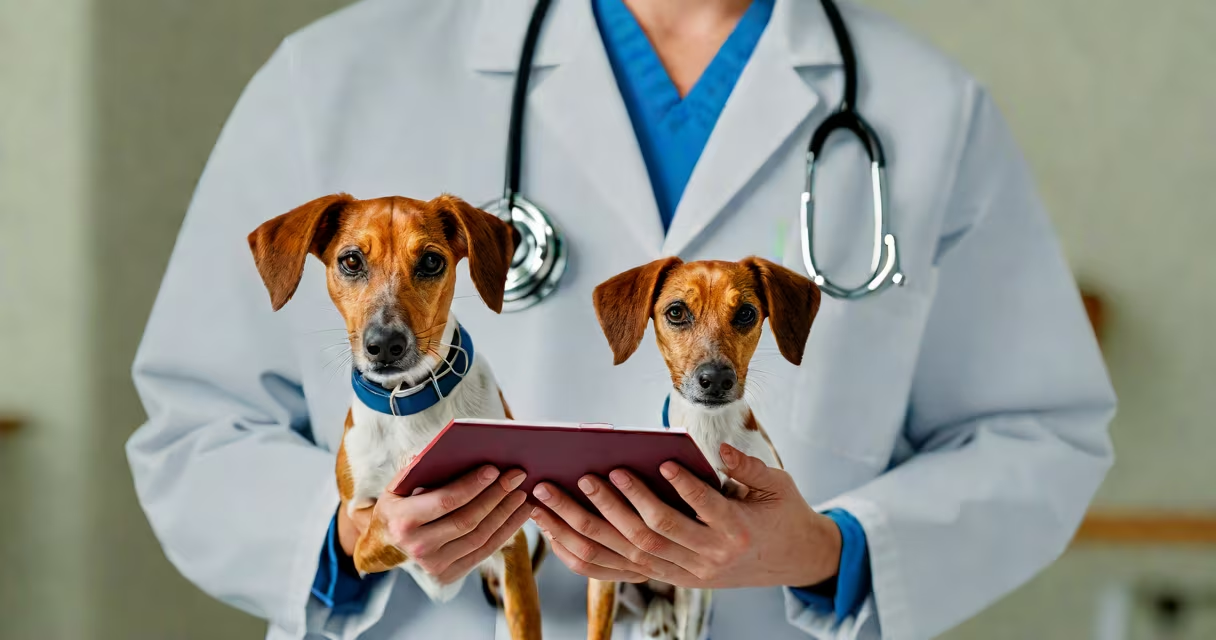
A vet degree is called a Doctor of Veterinary Medicine (DVM). This professional doctorate is the standard credential required to become a licensed veterinarian in the United States and most other countries. The DVM is a terminal degree, meaning it is the highest level of academic achievement in veterinary medicine.
The DVM program typically lasts four years and follows at least three years of undergraduate study. Students must complete prerequisites such as biology, chemistry, physics, and mathematics before applying to veterinary school. Admission is highly competitive, with acceptance rates often below 10% at top institutions.
Upon graduation, DVM holders must pass the North American Veterinary Licensing Examination (NAVLE) to obtain a license to practice. The exam tests clinical knowledge across core areas including anatomy, physiology, pharmacology, and disease management. Only those who pass the NAVLE may legally diagnose, treat, and prescribe medications for animals.
The DVM curriculum is structured around clinical rotations, laboratory work, and classroom instruction. In the first two years, students focus on foundational sciences-histology, microbiology, pathology, and pharmacology. These courses build the biological understanding needed to interpret animal symptoms and develop treatment plans.
During the final two years, students rotate through specialty clinics such as surgery, internal medicine, dermatology, and emergency care. These rotations provide hands-on experience under supervision. For example, a student might assist in a spay procedure, perform a physical exam on a dog with limping, or interpret bloodwork from a cat with kidney failure.
Many schools require a capstone project or research component. At Cornell University College of Veterinary Medicine, students complete a scholarly project that may involve analyzing antibiotic resistance patterns in farm animals or studying feline behavioral disorders. This requirement ensures graduates understand how to apply scientific methods to real-world veterinary problems.
While the DVM is the primary path to becoming a veterinarian, several related degrees exist for different roles in animal health. The table below outlines key distinctions:
| Pathway | Duration | Focus | Outcome |
|---|---|---|---|
| DVM (Doctor of Veterinary Medicine) | 4 years post-bachelor's | Complete animal healthcare | Licensed veterinarian |
| Veterinary Technician (LVT) | 2 years (associate degree) | Assisting veterinarians in diagnostics and procedures | Support staff in clinics and labs |
| PhD in Veterinary Sciences | 5-6 years post-bachelor's | Research in infectious diseases, genetics, or nutrition | Academic or pharmaceutical research roles |
Some veterinarians pursue additional training through residencies and board certifications. A veterinarian specializing in oncology may complete a three-year residency and pass the American College of Veterinary Internal Medicine (ACVIM) exam. This leads to the title "board-certified veterinary oncologist."
There is no such thing as a "master's degree in veterinary medicine" that qualifies someone to practice independently. While master's programs exist in fields like veterinary public health or animal behavior, they do not lead to licensure. The DVM remains the only accredited degree that grants legal authority to diagnose and treat animals.
One widespread misunderstanding is that a DVM is equivalent to a medical doctor (MD) in human medicine. While both are doctoral degrees, the DVM is not a research doctorate like a PhD. It is a professional doctorate focused on clinical application. The MD prepares physicians for patient care in human hospitals; the DVM prepares clinicians for animal care in private practices, zoos, or government agencies.
Another misconception is that anyone with a DVM can treat all species equally. In reality, many veterinarians specialize. A small animal veterinarian treats dogs and cats, while a large animal veterinarian works with horses, cattle, and sheep. Specialization requires additional training beyond the DVM. According to the American Veterinary Medical Association (AVMA), only about 15% of DVM graduates enter large animal practice, reflecting the growing demand for companion animal care.
A lesser-known fact is that DVM programs are accredited by the AVMA's Council on Education (COE). As of 2023, there were 45 accredited veterinary schools in the U.S., Canada, and Puerto Rico. Each program must meet strict standards for faculty qualifications, laboratory access, and clinical volume. Schools without COE accreditation cannot produce graduates eligible for the NAVLE.
Consider Dr. Elena Torres, who earned her bachelor's degree in animal science from the University of California, Davis. She applied to the UC Davis School of Veterinary Medicine, where she was accepted into the DVM program. Over four years, she completed 1,200 hours of clinical rotations, including emergency care at the Veterinary Medical Teaching Hospital and preventive medicine outreach in rural communities.
After graduating, she passed the NAVLE on her first attempt and obtained a license from the California Veterinary Medical Board. She now runs a small animal clinic in Sacramento, diagnosing ear infections in dogs, managing diabetes in cats, and performing routine surgeries. Her DVM degree is the foundation of her ability to make independent medical decisions.
She recalls one case involving a 12-year-old golden retriever with chronic lameness. Initial X-rays showed degenerative joint disease. After reviewing lab results and adjusting pain medication, she recommended weight management and physical therapy. The dog's mobility improved within six weeks. This outcome was possible because her DVM training included advanced musculoskeletal assessment techniques taught during her third year.
The term "vet degree" refers specifically to the Doctor of Veterinary Medicine (DVM). This degree is distinct from associate or bachelor's degrees in animal science, and it is not interchangeable with a veterinary technician credential. The DVM is the only pathway to becoming a licensed veterinarian in the U.S. and is recognized globally as the standard qualification for animal healthcare professionals.
Understanding what a vet degree is called-Doctor of Veterinary Medicine-is the first step toward entering a field that blends science, compassion, and technical skill. The DVM is not just a credential; it is a gateway to a career protecting the health of animals across species and environments.