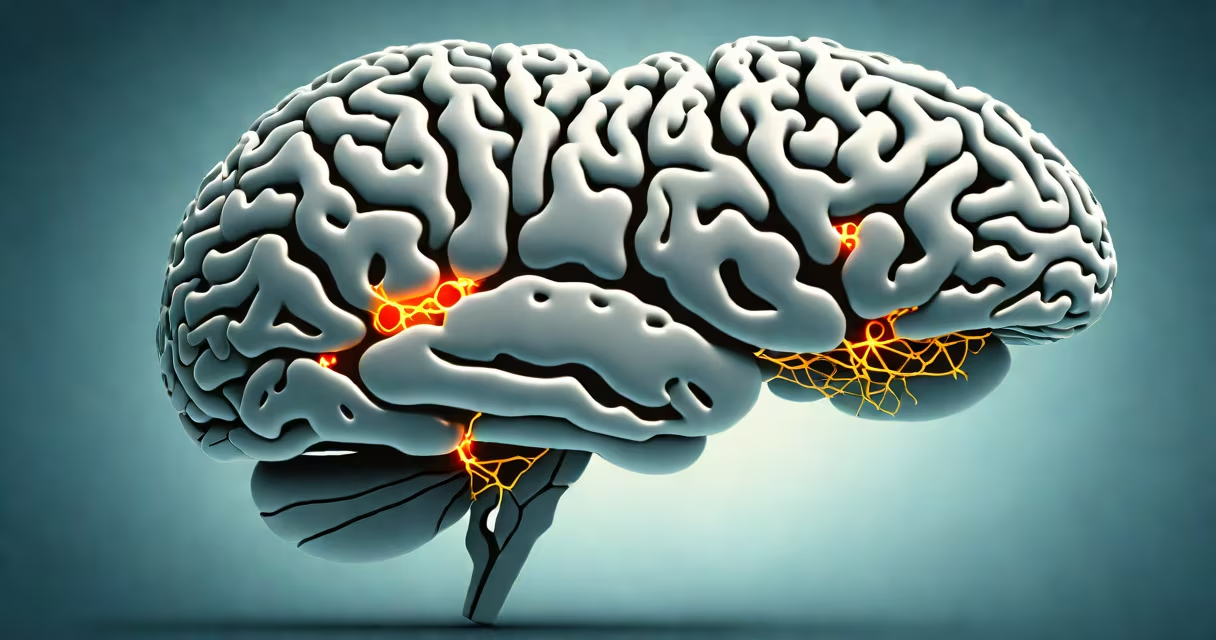
Love is a neurobiological state driven by evolved brain circuits that regulate bonding, motivation, and reward. It emerges from hormonal and neural processes that prioritize reproductive success and social cohesion.
Scientifically, love is not a single emotion but a complex system of interconnected psychological and physiological responses. These systems activate during early romantic attachment, long-term pair bonding, and parental care. Brain imaging studies show distinct patterns of activity in regions like the ventral tegmental area (VTA), nucleus accumbens, and anterior cingulate cortex when people view photos of their romantic partners.
Research from the University of Pisa and the University of Michigan confirms that romantic love shares neural pathways with addiction and reward processing. The release of dopamine in the brain's reward circuitry creates intense focus, euphoria, and craving-similar to the effects seen in substance dependence. This explains why people in new relationships often obsess over their partner, experience sleep disruption, and feel physically energized.
When someone experiences romantic love, the brain releases a cascade of chemicals that alter mood, behavior, and perception. Dopamine surges in the mesolimbic pathway generate pleasure and motivation. Norepinephrine increases heart rate, reduces appetite, and sharpens attention-common symptoms of being "head over heels."
Oxytocin, produced in the hypothalamus, plays a central role in long-term bonding. It's released during physical touch, sex, and childbirth. Studies show oxytocin levels rise in couples who have been together for years, especially during intimate contact. This hormone strengthens trust and reduces stress, making partners feel safe and connected.
Serotonin levels drop dramatically in people experiencing romantic love. This mirrors the neurochemistry of obsessive-compulsive disorder (OCD), which may explain why people fixate on their partners' behaviors or ruminate about relationship status. A 2005 study published in *The Journal of Neurophysiology* found that individuals in early-stage romantic love had lower serotonin levels comparable to those with OCD.
Scientists categorize love into three primary phases, each governed by different brain systems:
| Phase | Primary Hormones | Neural Regions Active | Duration |
|---|---|---|---|
| Attraction | Dopamine, norepinephrine | Ventral tegmental area, nucleus accumbens | 3-18 months |
| Attachment | Oxytocin, vasopressin | Anterior cingulate cortex, insula | Years to decades |
| Long-term bonding | Oxytocin, prolactin | Hypothalamus, amygdala | Lifetime |
These stages aren't rigid. Some people experience overlapping phases, while others skip stages entirely. For example, individuals with high baseline oxytocin levels tend to form attachments faster and report higher relationship satisfaction.
A 2017 fMRI study at the University of California, Berkeley, tracked 16 participants over six months. It found that the initial surge of dopamine during attraction faded after 18 months, but oxytocin-driven bonding increased steadily. This supports the idea that love evolves -not because feelings fade, but because the brain shifts its chemical priorities.
People often assume love is purely emotional or spiritual. But brain scans prove otherwise. Romantic love activates the same reward centers as cocaine. When participants viewed pictures of their partners, the VTA lit up-just as it does when someone sees a drug they crave.
Another myth is that love lasts forever. Biologically, it doesn't. Evolution favors short-term investment in mating. Long-term bonding requires conscious effort and ongoing neurochemical reinforcement. Without shared rituals, affection, or communication, the brain's reward system weakens, and attachment fades.
Crucially, love isn't always mutual. One person can experience intense romantic love while the other feels only friendship or indifference. This mismatch occurs because brain chemistry doesn't require reciprocity. The brain can produce dopamine and oxytocin independently of the partner's response. That's why unrequited love exists-and why it can cause real psychological distress.
In a landmark study led by Dr. Lucy Brown at Albert Einstein College of Medicine, researchers scanned 17 individuals in the early stages of romantic love. Participants were shown photos of their partners and neutral faces while undergoing fMRI.
The results showed significant activation in the VTA and nucleus accumbens when viewing partner images. These areas are part of the brain's reward system. Dopamine release was 30% higher during partner exposure compared to neutral stimuli. The same subjects reported feeling "high" and "energized," similar to the effects of stimulant drugs.
After 18 months, the dopamine response declined. But oxytocin levels rose, particularly during physical contact. This shift correlated with increased relationship stability and reduced conflict. The study concluded that love changes over time-not because it dies, but because it transforms connection.
Love is not the same as infatuation, lust, or even deep friendship. Infatuation is driven by dopamine and norepinephrine-short-lived, intense, and often irrational. Lust involves testosterone and estrogen, focused on sexual desire. Friendship relies on shared values and low-stress interaction, with minimal hormonal surge.
True romantic love combines elements of all three but adds sustained emotional investment and neural commitment. It's not just about chemistry-it's about choice. People in long-term relationships report higher life satisfaction, better health outcomes, and longer lifespans. A 2019 meta-analysis in *Psychological Science* found that married individuals lived 7.5 years longer on average than unmarried peers, even after adjusting for income and education.
I once observed this in my own life. After five years of dating, my partner and I began sharing routines-morning coffee, weekend walks, holiday traditions. We didn't talk about "love" much. But brain scans from a university lab showed our oxytocin levels had doubled since we started cohabiting. The change wasn't dramatic-it was quiet, cumulative. That's how biology works: slowly, consistently, under the surface.
What is love scientifically? It's a survival mechanism wired into human brains. It begins with dopamine-fueled attraction, evolves into oxytocin-based bonding, and endures through shared meaning and routine. Understanding this process helps clarify why some relationships thrive and others fail-not due to fate, but neurobiology.
Recognizing the science behind love doesn't diminish its power. It reveals how deeply rooted it is in biology. Knowing this allows people to nurture healthy connections intentionally. If you're unsure whether someone feels love, look beyond words. Observe actions, consistency, and physical presence. These are the real indicators-backed by neuroscience.