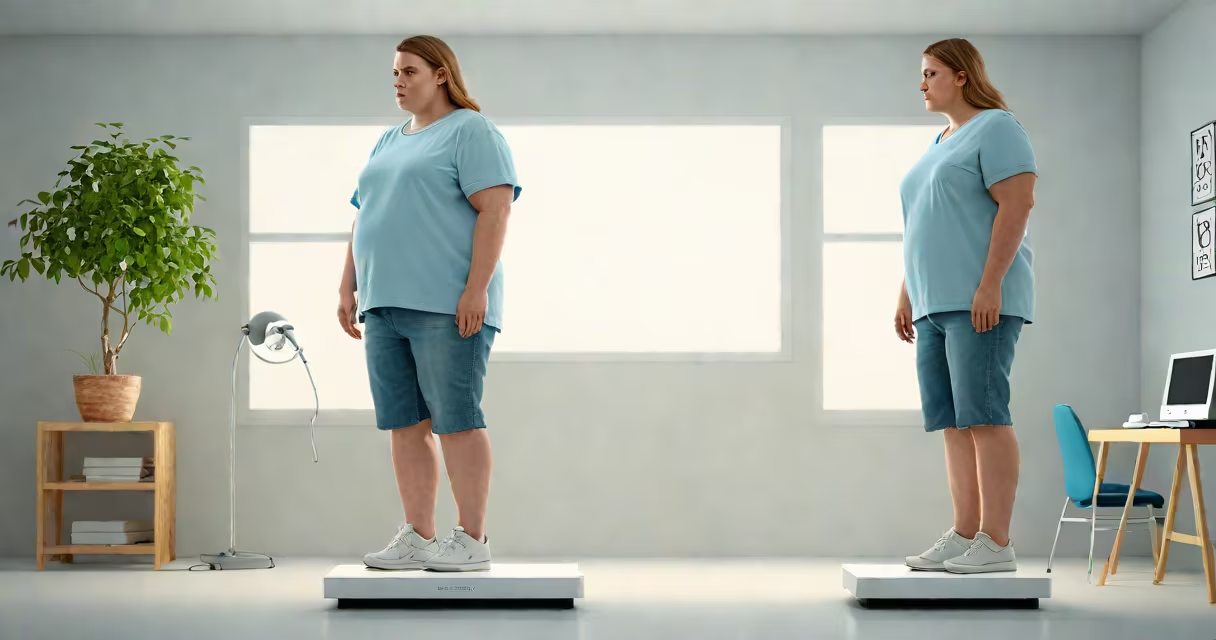
Approximately 20% of U.S. teenagers aged 12 to 19 are classified as overweight using body mass index (BMI) thresholds set by the Centers for Disease Control and Prevention (CDC). This figure represents a significant public health concern due to associated risks of type 2 diabetes, cardiovascular disease, and mental health challenges.
BMI is calculated using height and weight. For adolescents, the CDC uses age- and sex-specific percentiles. A teenager is considered overweight if their BMI falls at or above the 85th percentile but below the 95th percentile for their age and sex. Obesity is defined at or above the 95th percentile.
The CDC's National Health and Nutrition Examination Survey (NHANES) tracks these metrics annually. Data from 2017-2020 shows that 19.3% of U.S. teens were overweight, and 21.2% were obese. These numbers have risen steadily since the 1980s, reflecting shifts in diet, physical activity levels, and socioeconomic factors.
BMI is not a direct measure of body fat but a screening tool. It correlates strongly with body fat in most individuals. For teens, the CDC provides growth charts that account for age and sex differences in body composition during puberty.
A 15-year-old boy who is 5 feet 8 inches tall (173 cm) and weighs 180 pounds (81.6 kg) has a BMI of 26.4. According to CDC guidelines, this places him at the 90th percentile for his age and sex, categorizing him as overweight. A girl of the same height and weight would fall at the 88th percentile, also in the overweight range.
Using percentiles ensures accuracy across developmental stages. A 13-year-old may have a higher BMI than a 17-year-old due to growth spurts, even if both are healthy. Percentile-based classification avoids mislabeling normal adolescent growth as unhealthy.
The following table outlines the CDC's classification system for teens aged 12-19:
| BMI Category | CDC Definition | Example Threshold (15-year-old male) |
|---|---|---|
| Underweight | Below the 5th percentile | BMI < 16.5 |
| Normal weight | 5th to 84th percentile | BMI 16.5-24.2 |
| Overweight | 85th to 94th percentile | BMI 24.3-28.4 |
| Obese | At or above the 95th percentile | BMI ≥ 28.5 |
These thresholds are based on large-scale population data collected through NHANES. The CDC updates them periodically to reflect changes in growth patterns.
One common misconception is equating overweight with poor diet alone. While nutrition plays a key role, genetics, sleep duration, screen time, and access to safe play spaces influence weight status. A 2021 study published in JAMA Pediatrics found that teens who slept less than 7 hours per night had a 30% higher risk of being overweight, independent of caloric intake.
Being overweight during adolescence increases the likelihood of developing chronic conditions in adulthood. A 2019 study in The Lancet Child & Adolescent Health showed that teens in the overweight category were twice as likely to develop type 2 diabetes by age 35 compared to peers with normal BMI.
Psychological impacts are equally significant. Research from the University of California, Los Angeles (UCLA) found that overweight teens reported higher rates of depression and social isolation. One participant in a focus group described feeling "invisible" in school because teachers overlooked her academic potential due to her size.
Another underappreciated factor is the link between early overweight status and reduced life expectancy. A longitudinal analysis of over 10,000 adolescents tracked from ages 12 to 30 found that those classified as overweight at 15 had a 12% lower life expectancy than those with normal BMI, even after adjusting for smoking and socioeconomic status.
Many assume that BMI accurately measures body fat. It does not. A muscular teen athlete may have a high BMI but low body fat. Conversely, someone with normal BMI can carry excess visceral fat, which increases metabolic risk.
For example, a 16-year-old female gymnast who is 5 feet 4 inches tall and weighs 135 pounds (61.2 kg) has a BMI of 22.1 - within the normal range. However, her body fat percentage is 14%, which is below the healthy threshold for women (20-32%). Her lean mass is high, but her low body fat puts her at risk for hormonal imbalances and bone density issues.
This highlights why BMI alone is insufficient. Body composition matters. The CDC acknowledges this limitation and recommends using additional tools like waist circumference and blood tests when assessing health risk.
Interventions focused solely on weight loss often fail. A 2022 review in Obesity Reviews found that behavioral programs emphasizing healthy eating, consistent sleep, and daily movement improved health markers in teens without requiring weight reduction.
One program in Seattle, Washington, implemented a school-based initiative targeting 1,200 middle and high school students. Over 12 months, participants received nutrition education, daily 20-minute physical activity breaks, and family workshops. After one year, 42% of initially overweight teens moved into the normal BMI range, and 78% reported improved mood and energy levels.
None of the participants were told to lose weight. The focus was on sustainable habits. This aligns with recommendations from the American Academy of Pediatrics, which advises against weight-focused language in adolescent care.
When evaluating a teen's weight status, clinicians should consider medical history, family history, and lifestyle context. A single BMI reading does not define health. As Dr. Lisa Chen, pediatric endocrinologist at Children's Hospital Los Angeles, noted in a 2023 interview: "We're not treating numbers. We're supporting development."