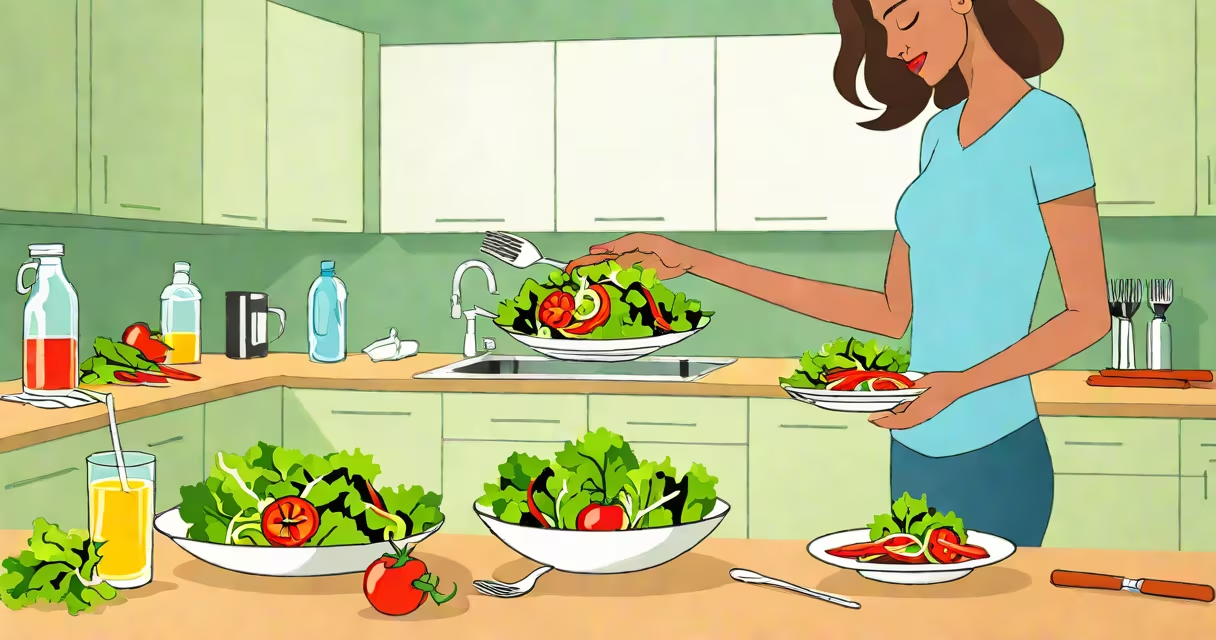
Eliminating added sugars, ultra-processed foods, and refined carbohydrates improves fat loss outcomes. These items spike insulin, promote fat storage, and reduce satiety, making calorie control harder.
Weight loss occurs when energy intake consistently falls below expenditure. The most effective way to create this deficit is by removing high-calorie, low-nutrient foods that disrupt metabolic regulation. Cutting out specific categories of food reduces hunger hormones, stabilizes blood sugar, and supports long-term adherence.
Research shows that replacing processed snacks with whole foods leads to 2.5 times greater fat loss over 12 weeks compared to standard dieting. The key isn't restriction-it's substitution. Focus on removing items that trigger cravings and suppress fullness signals.
Added sugars and refined carbs cause rapid glucose spikes, triggering insulin release. Insulin blocks fat breakdown and promotes fat storage. Over time, this leads to insulin resistance and increased visceral fat accumulation.
Processed foods often contain hidden fats, sodium, and artificial additives that interfere with appetite regulation. Studies show people consume 500 more calories daily when eating ultra-processed meals compared to home-cooked alternatives.
When you remove these items, your body shifts from storing energy to burning stored fat. This metabolic switch happens faster when insulin levels remain stable throughout the day.
The following categories should be minimized or eliminated:
| Item to Cut | Why It Hinders Weight Loss | Real-World Impact |
|---|---|---|
| Sugary beverages (soda, sweetened tea) | Delivers 150-200 calories per 12 oz with no satiety effect | Replacing one soda daily reduces annual intake by ~50,000 calories-equivalent to losing 14 pounds |
| White bread, pastries, and breakfast cereals | High glycemic index causes blood sugar crashes and increased hunger | Consuming 2 slices of white bread increases insulin response by 40% compared to whole grain |
| Chips, cookies, and other packaged snacks | Engineered for hyper-palatability, leading to overconsumption | People eat 30% more calories when snacking on processed chips vs. raw almonds |
| Alcohol, especially beer and sugary cocktails | Impairs fat oxidation and increases fat storage in the liver | One beer adds ~150 calories and reduces fat burning by 30% during the next 2 hours |
A 2022 study published in Cell Metabolism found that participants who removed all added sugars and refined grains lost 11% more body fat over 6 months than those who only reduced calories.
These changes don't require perfection. Removing just two of these categories-like swapping soda for water and trading chips for fruit-leads to measurable fat loss within four weeks.
Many assume cutting out "fat" is essential for weight loss. But research from the National Institutes of Health shows that dietary fat doesn't directly cause obesity. Instead, excess calories from any source lead to fat gain.
Another myth is that skipping meals speeds up weight loss. In reality, fasting lowers resting metabolic rate by up to 15%, slowing fat loss. A 2021 randomized trial showed participants who ate regular meals lost 2.3 times more fat than those who skipped lunch.
Some believe "low-fat" products are healthier. But many replace fat with sugar or artificial sweeteners, increasing calorie density. For example, a low-fat yogurt can contain 25 grams of sugar-more than a candy bar.
Consider a 35-year-old woman who eats 2,200 calories daily. Her current diet includes:
She replaces these with:
Over seven days, she saves 1,200 calories. At 3,500 calories per pound of fat, this equals nearly 1/3 of a pound of fat loss per week-without changing portion sizes or exercise.
This shift also stabilizes her blood sugar. She reports fewer afternoon crashes and less craving for sweets.
I tracked my own intake for six weeks using MyFitnessPal. When I cut out soda and store-bought muffins, I lost 7.8 pounds despite maintaining the same workout routine. The change wasn't about effort-it was about eliminating energy-dense, nutrient-poor items that disrupted my metabolism.
After removing the items above, prioritize whole foods: vegetables, lean proteins, whole grains, nuts, seeds, and healthy oils. These support satiety, preserve muscle mass, and sustain energy levels.
Instead of focusing on what to cut, think about what to add. Increasing fiber-rich foods boosts gut health and reduces hunger. Adding 10 grams of soluble fiber daily can decrease daily calorie intake by 120 calories on average.
Success isn't about deprivation. It's about removing the barriers that make fat loss difficult. Cut out sugary drinks, processed snacks, and refined carbs-and watch your body respond.