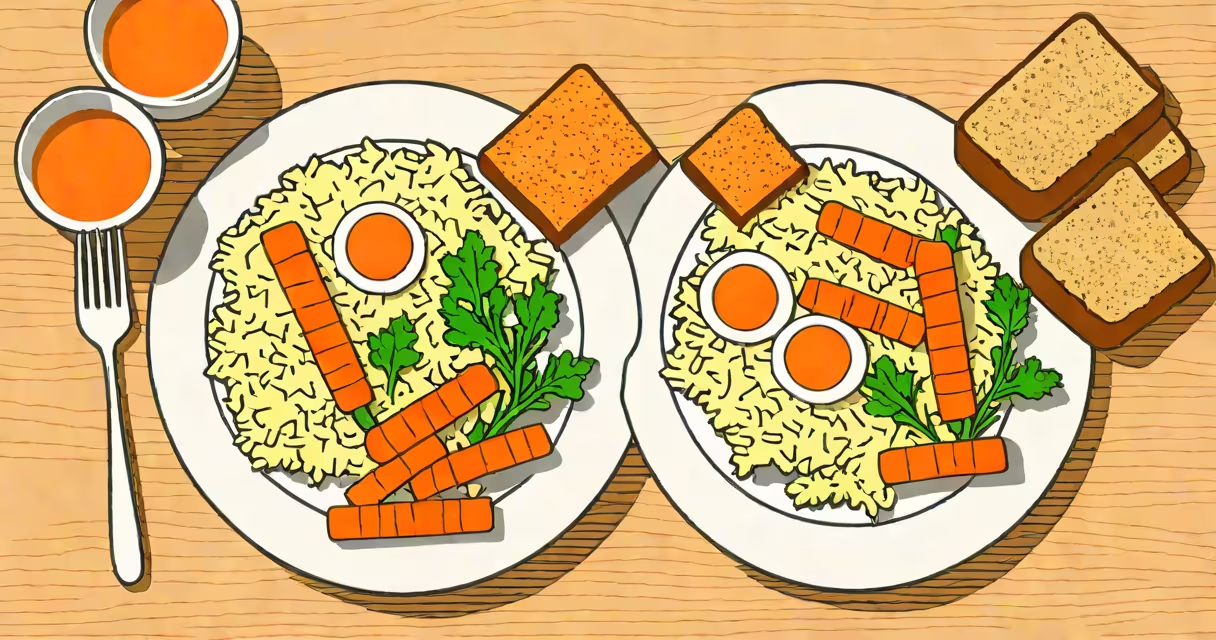
After a stomach virus, your digestive system needs time to heal. Start with clear fluids and bland, low-fiber foods like rice, bananas, applesauce, toast, and boiled potatoes. Gradually reintroduce protein and vegetables as symptoms improve.
Viruses like norovirus or rotavirus damage the lining of your small intestine, reducing absorption capacity. This leads to diarrhea, nausea, and loss of appetite. The goal during recovery is to restore gut function without overwhelming it. The BRAT diet-bananas, rice, applesauce, toast-has been recommended since the 1970s for mild cases, though recent evidence suggests it's not superior to other bland options.
According to the American Academy of Pediatrics, children and adults should resume normal diets within 24 hours of symptom resolution, unless vomiting persists. Delaying food intake beyond 24 hours may slow recovery. Focus on hydration first-oral rehydration solutions (ORS) with electrolytes are more effective than water alone.
Your intestines lose surface area temporarily after infection due to villi damage. This reduces nutrient absorption and increases sensitivity to certain foods. Introducing complex or fatty foods too soon can trigger cramping or diarrhea again.
Start with clear liquids: water, weak tea, broth, or ORS. Drink small amounts frequently-1-2 tablespoons every 15 minutes-to prevent dehydration. Once you can keep liquids down for 2 hours, move to soft solids.
When you begin solid foods, aim for low-residue, low-fat, low-fiber options. These pass through the gut quickly and cause minimal irritation. Examples include white rice, peeled apples, boiled potatoes, plain toast, and scrambled eggs. Avoid dairy, raw vegetables, citrus fruits, and spicy or fried foods until bowel movements normalize.
Use this table to guide your meal choices during recovery:
| Foods to Try | Foods to Avoid |
|---|---|
| White rice | Dairy (milk, cheese) |
| Boiled potatoes | Raw vegetables |
| Plain toast | Citrus fruits |
| Bananas | Spicy or fried foods |
| Applesauce (unsweetened) | High-fiber grains (oats, bran) |
| Scrambled eggs | Artificial sweeteners |
A common mistake is assuming all symptoms after eating are due to the virus. Cramping, pain, or gas may signal a different issue. If discomfort continues past 5 days, consult a doctor. Persistent symptoms suggest possible secondary conditions like irritable bowel syndrome (IBS) or small intestinal bacterial overgrowth (SIBO).
After a 48-hour bout of watery diarrhea and nausea, I started with 100 mL of oral rehydration solution every 30 minutes. By hour 3, I tolerated sipped ginger tea and a few crackers. On day 2, I ate half a boiled potato and a banana. By day 3, I had scrambled eggs and toast.
I avoided milk because I noticed bloating. My stools returned to normal by day 4. On day 5, I added cooked carrots and a small portion of chicken. Within 7 days, I was back to my regular diet.
This timeline aligns with guidelines from the Centers for Disease Control and Prevention (CDC), which state that most healthy adults recover fully within 3-5 days. However, older adults and those with weakened immune systems may take longer.
Many assume they must stay on a strict diet for days. In reality, early reintroduction of food supports gut healing. A 2021 study in Frontiers in Nutrition found that patients who resumed eating within 6 hours of stopping vomiting recovered faster than those who fasted longer.
Another myth is that bananas are universally safe. While they're high in potassium and low in fiber, their natural sugars can ferment in the gut if eaten in excess. Limit to one per day during recovery.
Some people think "bland" means tasteless. That's incorrect. Bland doesn't mean flavorless-it means low in irritants. You can season with salt, herbs, or a dash of lemon juice. But avoid acidic or spicy ingredients.
One non-obvious fact: Probiotics don't speed up recovery from viral gastroenteritis. A Cochrane review (2020) found no significant benefit from probiotics in shortening illness duration. They may help maintain gut balance long-term, but not during acute phase.
Seek care if you have blood in stool, fever above 101°F (38.3°C), or signs of severe dehydration-dry mouth, dizziness, reduced urination. These indicate complications like secondary infection or electrolyte imbalance.
Recovery from a stomach virus is not about restriction-it's about gentle rebuilding. Eat slowly, listen to your body, and return to normal eating when symptoms allow. Most people feel back to baseline within a week.