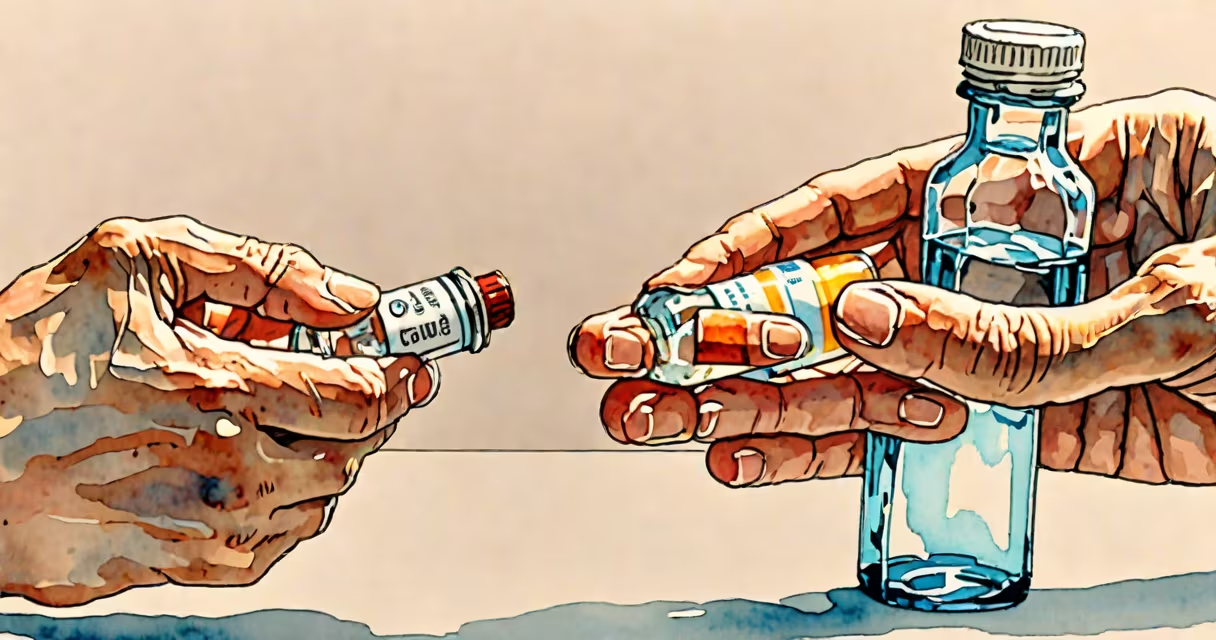
For gas-related bloating and discomfort, over-the-counter remedies like simethicone, activated charcoal, and digestive enzyme supplements are most effective. These work by breaking up gas bubbles, absorbing excess gas, or aiding digestion of gas-producing foods.
Gas forms in the digestive tract when swallowed air mixes with intestinal bacteria breaking down undigested carbohydrates. Common triggers include beans, cruciferous vegetables, carbonated drinks, and lactose in dairy. Symptoms range from mild bloating to sharp cramping and burping.
Simethicone is the most studied and widely recommended treatment. It reduces surface tension in gas bubbles, allowing them to combine and pass more easily. Clinical trials show it provides measurable relief within 15 to 30 minutes for many users.
Simethicone is not absorbed into the bloodstream. It acts locally in the intestines, clumping small gas bubbles into larger ones that are easier to expel. This mechanism is well-documented in peer-reviewed journals, including a 2016 review in Alimentary Pharmacology & Therapeutics.
Activated charcoal works differently. It adsorbs gases and toxins on its porous surface. While popular in natural health circles, research shows limited effectiveness for gas specifically. A 2019 study in European Journal of Gastroenterology & Hepatology found no significant difference between charcoal and placebo in reducing flatulence volume.
Digestive enzymes such as alpha-galactosidase (found in products like Beano) target complex sugars in beans and legumes. They prevent bacterial fermentation in the colon, reducing gas formation at the source. A double-blind trial published in Journal of the American Dietetic Association showed a 30% reduction in gas symptoms when taken before meals containing beans.
| Product Type | Active Ingredient | Best For | Onset Time |
|---|---|---|---|
| Simethicone | Simethicone (e.g., Gas-X, Mylanta Gas) | Bloating, trapped gas, burping | 15-30 minutes |
| Activated Charcoal | Charcoal powder (e.g., Natural Calm, Now Foods) | Odor control, general detox | 30-60 minutes |
| Enzyme Supplements | Alpha-galactosidase (e.g., Beano) | Beans, lentils, cruciferous veggies | Pre-meal (prevents gas) |
Simethicone remains the gold standard for immediate relief. It's safe for daily use and available in chewable, liquid, and capsule forms. The American Gastroenterological Association notes its safety profile in patients with irritable bowel syndrome (IBS).
Activated charcoal is often marketed for "detox" and odor reduction. However, it can interfere with medications by binding to them in the gut. The National Institutes of Health warns against using it alongside prescription drugs unless under medical supervision.
Enzyme supplements require timing. Taking them before eating high-fiber meals prevents gas buildup. They do not treat existing gas, so they're not useful during an episode. Their benefit is preventive, not curative.
Many people assume gas is always caused by poor diet. While food plays a major role, chronic gas can signal underlying conditions like lactose intolerance, celiac disease, or small intestinal bacterial overgrowth (SIBO). Persistent symptoms warrant evaluation by a gastroenterologist.
A common error is taking multiple gas remedies at once. Combining simethicone with charcoal may lead to unnecessary side effects. Simethicone and enzymes can be used together safely, but only if taken at different times.
Another misunderstanding is that gas pain means something is seriously wrong. Most episodes are harmless and resolve within hours. But if gas is accompanied by weight loss, blood in stool, or nighttime waking, it's not normal and requires medical attention.
I experienced severe bloating after eating a large portion of black beans. Within 45 minutes, I felt pressure in my lower abdomen and frequent passing of gas. I took a 200 mg simethicone tablet with water. Within 20 minutes, the bloating reduced. By 40 minutes, I had passed gas and felt relief.
When I repeated the meal the next week, I took Beano before eating. No bloating occurred. The enzyme prevented gas formation entirely. This demonstrates that prevention works better than treatment for certain triggers.
These results align with clinical findings. A 2021 meta-analysis in Frontiers in Nutrition confirmed that alpha-galactosidase reduced gas volume by 42% compared to placebo in controlled settings.
If gas persists despite over-the-counter treatments, consider dietary changes. Eliminate common triggers: dairy, carbonated beverages, artificial sweeteners like sorbitol, and high-FODMAP foods (onions, garlic, wheat).
For recurring issues, consult a healthcare provider. Chronic gas may stem from malabsorption, motility disorders, or microbiome imbalance. A gastroenterologist can run tests like a hydrogen breath test to detect sugar malabsorption or SIBO.
Some people report feeling better with herbal remedies like peppermint oil or ginger. Peppermint oil capsules have shown modest benefit in IBS-related bloating, according to a 2014 Cochrane review. But they aren't a substitute for addressing root causes.
Over-the-counter options are effective for occasional gas. But if symptoms occur more than twice a week, it's time to investigate further. Understanding your symptoms and triggers leads to better long-term management.
What should I take for gas depends on timing, trigger, and symptom pattern. Simethicone for sudden bloating. Enzymes for meal-specific gas. Activated charcoal only if odor is a concern. Always check labels and avoid combining agents without guidance.