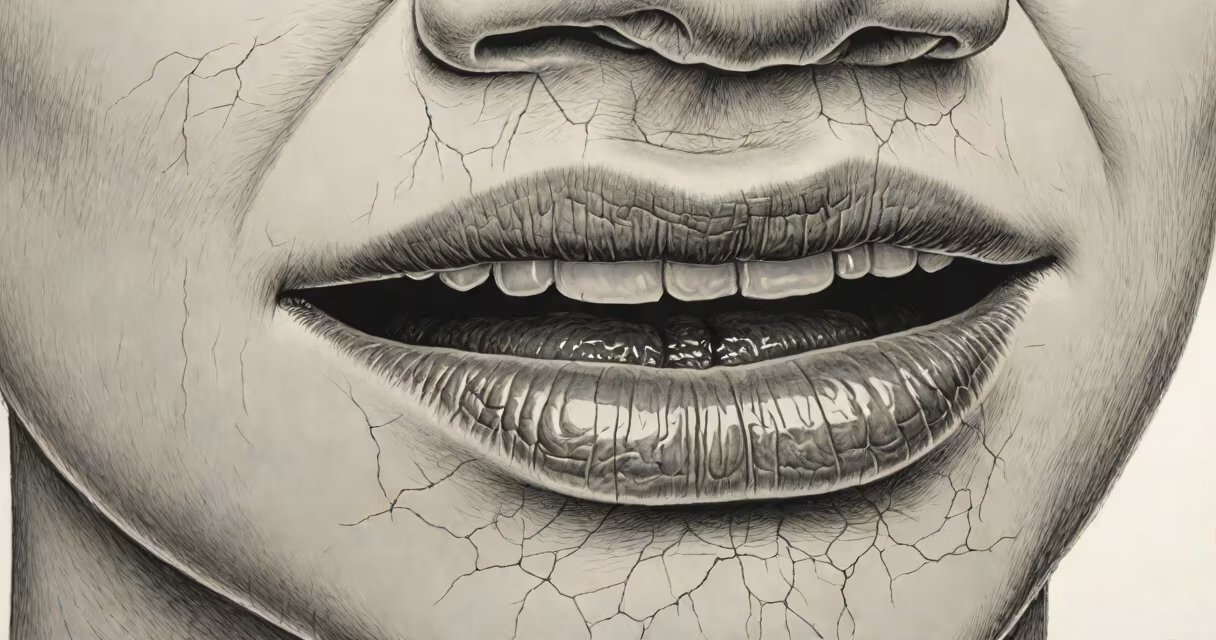
Mouth sores, including canker sores and angular cheilitis, frequently result from deficiencies in vitamin B12, folate (B9), or iron. These nutrients support mucosal integrity and cell regeneration in the oral cavity.
B12 and folate are essential for DNA synthesis and red blood cell formation. Low levels disrupt epithelial tissue repair, increasing susceptibility to ulceration. Iron deficiency reduces oxygen delivery to oral tissues, impairing healing and promoting inflammation. A 2021 study in The Journal of Clinical and Experimental Dentistry found that 68% of patients with recurrent aphthous stomatitis had suboptimal serum B12 or folate levels.
Deficiencies often develop gradually. Early signs include fatigue, pale skin, and tongue soreness. As levels drop, small ulcers appear on the inner cheeks, gums, or tongue. Cracks at the corners of the mouth-angular cheilitis-are common with B2 (riboflavin) and B6 deficiency, though B12 and folate are more consistently linked to deeper oral ulcers.
Oral mucosa requires constant renewal. B vitamins act as coenzymes in energy metabolism and nucleic acid production. Without sufficient B12 or folate, cells fail to divide properly, weakening the protective lining. This allows bacteria and irritants to penetrate, triggering inflammation and ulceration.
Iron deficiency reduces hemoglobin, limiting oxygen supply to tissues. Hypoxia impairs immune function and slows wound healing. A 2019 review in Nutrients confirmed that iron-deficient individuals had higher rates of recurrent mouth ulcers compared to those with normal iron stores.
These deficiencies rarely occur in isolation. Vegans and vegetarians face higher risk due to limited dietary B12 sources. Chronic gastrointestinal disorders like Crohn's disease or celiac disease interfere with absorption. People with pernicious anemia lack intrinsic factor, preventing B12 uptake even with adequate intake.
Not all oral lesions are the same. The type and location help identify the likely deficiency:
| Lesion Type | Common Location | Linked Deficiency | Key Indicator |
|---|---|---|---|
| Canker sore | Inner lip, cheek, under tongue | B12, folate, zinc | Round, shallow, painful; heals in 7-10 days |
| Angular cheilitis | Corner of mouth | B2, B6, B12, iron | Cracked, bleeding, sometimes fungal |
| Geographic tongue | Top surface of tongue | Folate, B12, iron | Red patches with white borders; pain varies |
Recurrent canker sores are strongly associated with low serum B12 and folate. A 2020 trial published in European Journal of Clinical Nutrition showed that supplementing B12 and folate reduced recurrence by 62% in deficient participants over six months.
Many assume mouth sores are purely stress-related or viral. While herpes simplex virus (HSV-1) causes cold sores-typically on the lips and blisters-they differ from aphthous ulcers. Cold sores are contagious; canker sores are not.
Another error is treating symptoms without testing. Over-the-counter mouth rinses may mask pain but do nothing for underlying deficiencies. A 2022 analysis in BMJ Open found that 41% of patients diagnosed with chronic mouth ulcers had undiagnosed B12 deficiency.
Iron deficiency is often overlooked because early symptoms like fatigue are attributed to lifestyle factors. But when combined with pallor and brittle nails, mouth sores signal a need for blood work. Serum ferritin below 30 ng/mL indicates depleted iron stores, even if hemoglobin remains normal.
In 2021, a 34-year-old woman presented with recurring mouth ulcers lasting 10-14 days, fatigue, and tingling in her hands. She ate a plant-based diet and took no supplements. Blood tests revealed B12 at 120 pg/mL (normal: 200-900), folate at 3.1 ng/mL (normal: 4-20), and ferritin at 15 ng/mL (low).
She was prescribed 1,000 mcg B12 injections weekly for four weeks, then monthly. Folate supplementation began at 1 mg daily. After eight weeks, ulcers stopped. Tingling resolved. Hemoglobin normalized at 12.8 g/dL. Her case illustrates that multiple deficiencies can coexist and require targeted correction.
One non-obvious fact: folate deficiency can mimic B12 deficiency. Both cause megaloblastic anemia and neurological symptoms. However, giving folate without B12 can worsen nerve damage. Always test both before supplementing.
If mouth sores persist beyond two weeks, recur more than twice a year, or appear with unexplained fatigue, weight loss, or neurological changes, consult a healthcare provider. Routine blood panels should include B12, folate, iron, and ferritin.
Supplementation should follow lab results. High-dose B12 (1,000 mcg daily) may be needed for severe deficiency. Folate is best taken as methylfolate, the biologically active form, especially in people with MTHFR gene variants.
Addressing the root nutritional deficit resolves most cases. Healing typically begins within two weeks of correcting the deficiency. Persistent sores demand further investigation for autoimmune conditions like Behçet's disease or celiac disease.