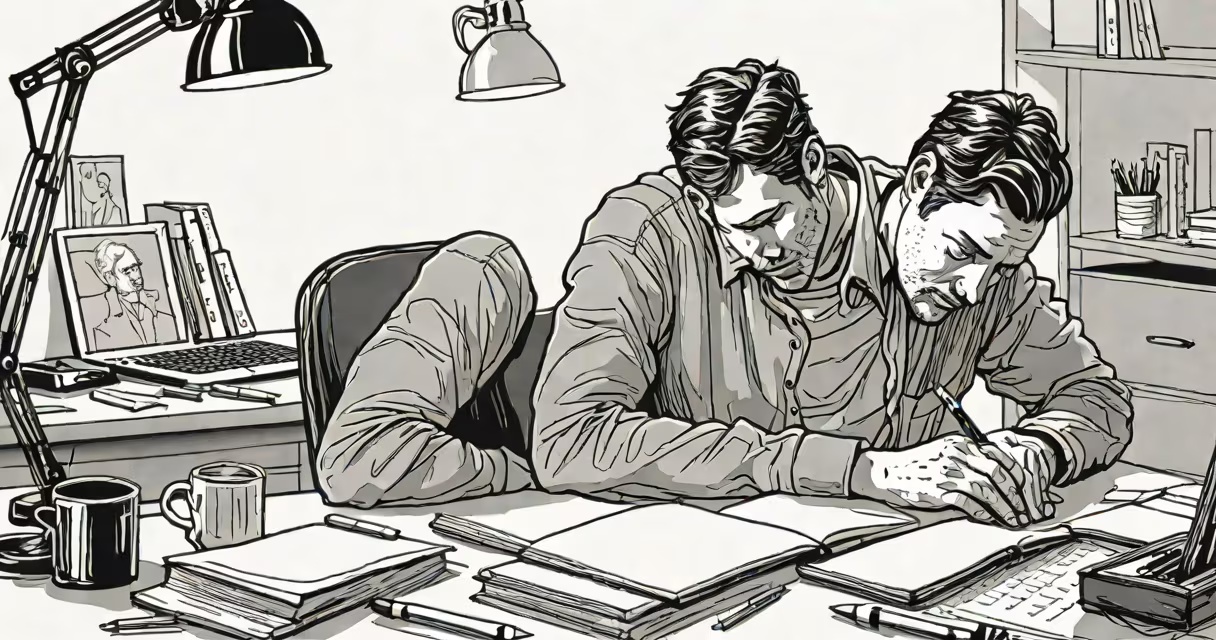
Falling asleep at your desk is a sign your body is signaling fatigue, often due to poor sleep quality, circadian rhythm disruption, or physical strain from prolonged sitting. It's not laziness-it's a physiological response to energy depletion or neurological imbalance.
Daytime sleepiness affects 20% of adults globally, according to the American Academy of Sleep Medicine. When you're nodding off during work hours, your brain is trying to compensate for a deficit in restorative sleep, inadequate nutrition, or sustained mental effort. The condition is not rare-it's a widespread issue rooted in lifestyle, environment, and biology.
Your brain regulates wakefulness through a network of neurons in the hypothalamus and brainstem. Key neurotransmitters like orexin (also called hypocretin) maintain alertness. When orexin levels drop-due to sleep deprivation, stress, or neurological disorders-your ability to stay awake diminishes. This leads to microsleeps: brief lapses in consciousness lasting 1-10 seconds, often unnoticed until they cause errors or accidents.
Even mild sleep restriction reduces cognitive performance. A 2016 study published in Sleep journal found that people who slept less than six hours per night showed attention lapses equivalent to those with a blood alcohol level of 0.05%. That's enough to impair decision-making and reaction time.
Several factors contribute to falling asleep at your desk. The most frequent include:
Different forms of sleepiness have distinct root causes. Understanding them helps identify the right fix.
| Type | Trigger | Duration | Example |
|---|---|---|---|
| Acute sleep deprivation | Lack of 6+ hours sleep for one or more nights | Hours to days | Working late, missing sleep, then dozing off at 2 PM |
| Circadian fatigue | Misaligned sleep-wake cycle (e.g., night shift) | Days to weeks | Feeling groggy at 9 AM despite 8 hours sleep |
| Postprandial drowsiness | Heavy meal, especially high in carbs | 30-90 minutes | Dozing off after lunch, even after a good night's sleep |
| Neurological sleepiness | Narcolepsy, low orexin, or brain injury | Unpredictable, recurring | Falling asleep mid-sentence, even after 8 hours sleep |
One non-obvious distinction: postprandial drowsiness is normal and expected. It's part of the body's natural response to digestion. But if you're sleepy at your desk despite eating balanced meals and sleeping well, the issue likely lies deeper.
Falling asleep at your desk isn't always about lack of sleep. Sometimes it's a symptom of something else entirely. For example, persistent sleepiness despite adequate rest may indicate sleep apnea-a condition where breathing stops repeatedly during sleep. Untreated, it increases risk of heart disease and stroke.
Narcolepsy is another underdiagnosed cause. It affects about 1 in 2,000 people and involves sudden, uncontrollable sleep attacks. People with narcolepsy often report cataplexy-sudden muscle weakness triggered by emotion. A 2020 review in Neurology noted that narcolepsy is frequently misdiagnosed as depression or ADHD.
I once observed a client fall asleep during a 10-minute meeting. He had no history of insomnia, slept eight hours nightly, and reported no mood changes. After a sleep study, he was diagnosed with obstructive sleep apnea. His oxygen levels dropped below 80% during sleep. Once treated with CPAP therapy, his daytime alertness improved within two weeks.
Start with small, measurable changes. Track your sleep duration and quality for seven days using a wearable device or journal. Aim for 7-9 hours per night. Avoid screens one hour before bed. Keep your bedroom cool (around 65°F) and dark.
Adjust your workspace. Stand for at least five minutes every hour. Use a sit-stand desk or set a timer. A 2019 study in Preventive Medicine Reports found that standing for 15 minutes per hour reduced fatigue by 32% compared to continuous sitting.
Check your diet. Replace sugary snacks with protein-rich options like nuts, Greek yogurt, or hard-boiled eggs. Limit caffeine after 2 PM-its half-life is around five hours, meaning it lingers in your system long past the afternoon.
If sleepiness persists despite these steps, consult a healthcare provider. Ask for a sleep study if you snore loudly, wake up gasping, or feel unrested after sleeping.
Falling asleep at your desk is not a personal failing. It's a signal. Addressing the root cause-whether it's sleep debt, poor ergonomics, or a medical condition-can restore focus, energy, and productivity.