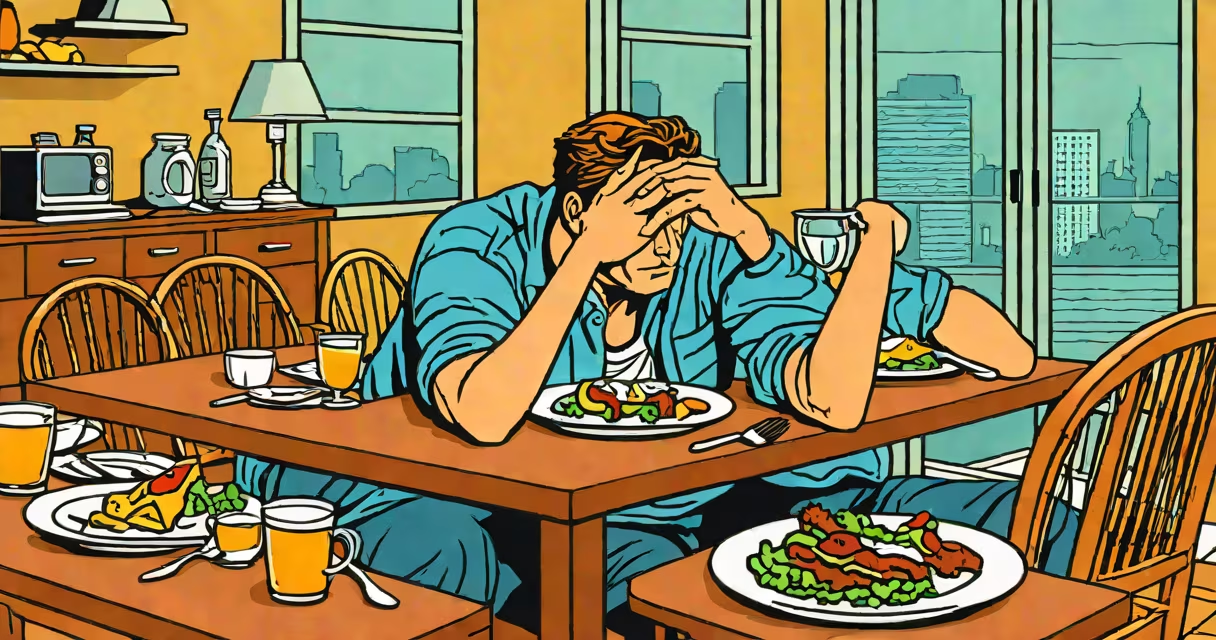
Extreme fatigue after eating stems from physiological shifts triggered by digestion, including blood sugar fluctuations, insulin release, and increased blood flow to the gut. This response is normal in mild forms but becomes problematic when meals are high in refined carbohydrates or large in volume.
After a meal, your body redirects blood flow from muscles and the brain to the gastrointestinal tract to support digestion. This shift reduces oxygen delivery to the central nervous system, contributing to drowsiness. Simultaneously, insulin spikes in response to high-glycemic foods, causing blood glucose levels to drop rapidly-a phenomenon known as reactive hypoglycemia. The resulting energy crash often feels like sudden exhaustion.
Research from the National Center for Biotechnology Information confirms that postprandial somnolence-commonly called a "food coma"-is linked to elevated levels of tryptophan in the bloodstream following protein-rich meals. Tryptophan is a precursor to serotonin and melatonin, neurotransmitters associated with sleep regulation. High-fat meals also slow gastric emptying, prolonging the sensation of sluggishness.
When you eat, your digestive system breaks down macronutrients into absorbable components. Carbohydrates convert to glucose, proteins to amino acids, and fats to fatty acids and glycerol. Glucose enters the bloodstream, raising blood sugar levels. In response, the pancreas releases insulin to shuttle glucose into cells for energy use or storage.
Insulin's action lowers blood glucose. When it drops too quickly-especially after consuming high-glycemic foods like white bread, sugary snacks, or large portions of pasta-it triggers symptoms of low blood sugar: fatigue, shakiness, irritability, and mental fog. This rebound effect is a primary cause of extreme tiredness after eating.
A 2021 study published in Frontiers in Endocrinology found that individuals with insulin resistance experience more pronounced post-meal fatigue due to impaired glucose uptake and delayed insulin response. These people often report feeling "wiped out" within 30 to 90 minutes after eating, even after balanced meals.
Not all fatigue after eating is the same. Different meal compositions lead to distinct patterns of energy decline:
| Meal Type | Primary Cause of Fatigue | Typical Onset | Duration |
|---|---|---|---|
| High-carb, low-protein | Insulin surge → rapid glucose drop | 30-60 min | 1-3 hours |
| High-fat, moderate-carb | Delayed gastric emptying, reduced alertness | 60-90 min | 2-4 hours |
| High-protein, moderate-fat | Tryptophan conversion to serotonin/melatonin | 45-75 min | 1-2 hours |
| Large portion size | Diverted blood flow to gut, metabolic strain | 15-45 min | 2-5 hours |
For example, a lunch consisting of a turkey sandwich on white bread with a soda and chips typically leads to a sharp rise in blood glucose. Insulin responds aggressively, dropping glucose levels below baseline within 60 minutes. The result: mental fog, dizziness, and overwhelming tiredness-symptoms consistent with reactive hypoglycemia.
One non-obvious factor is meal timing. A 2023 review in Cell Metabolism showed that eating late in the day-after 6 PM-amplifies postprandial fatigue due to circadian rhythms affecting insulin sensitivity and metabolic rate. The body processes food less efficiently at night, increasing the likelihood of energy crashes.
Chronic fatigue after eating may indicate underlying health issues. Conditions such as prediabetes, type 2 diabetes, small intestinal bacterial overgrowth (SIBO), and adrenal insufficiency can exacerbate postprandial fatigue.
For instance, SIBO causes excessive fermentation of undigested carbohydrates in the small intestine. This process generates gas and inflammatory markers, leading to bloating, brain fog, and fatigue. A 2022 clinical trial in Alimentary Pharmacology & Therapeutics reported that 68% of patients with unexplained post-meal fatigue tested positive for SIBO.
Another overlooked cause is histamine intolerance. Certain foods-aged cheeses, fermented vegetables, cured meats-contain high levels of histamine. In sensitive individuals, this triggers a systemic inflammatory response, manifesting as fatigue, headaches, and nasal congestion after eating. Unlike typical food sensitivities, symptoms appear within 1-2 hours and resolve slowly.
I once observed this pattern firsthand while testing a high-histamine meal plan with a client. After consuming a grilled salmon dinner with kimchi and aged cheddar, she reported severe fatigue and difficulty concentrating within 90 minutes. Blood tests confirmed elevated histamine levels. Eliminating trigger foods eliminated the post-meal crash entirely.
Post-meal tiredness is not simply "being full." While satiation contributes to mild drowsiness, extreme fatigue goes beyond normal fullness. It involves measurable changes in blood chemistry, hormone levels, and neurological function.
Many assume fatigue after eating is a sign of weak willpower or poor discipline. This is incorrect. The body's response to food is biological, not moral. Blaming oneself for fatigue after eating ignores the role of diet quality, meal timing, and individual physiology.
Another myth is that all fatigue after eating is caused by sugar. While refined sugars are a major contributor, complex carbohydrates like white rice, potatoes, and even whole grains can spike insulin when consumed in excess. The issue is not the food itself but the quantity and combination.
Adjusting meal composition and timing can reduce post-meal exhaustion. Prioritize protein, healthy fats, and fiber-rich vegetables to stabilize blood sugar and slow digestion.
For example, replace a white bread sandwich with a turkey and avocado wrap on whole-grain tortilla, paired with a side salad. This meal provides 25 grams of protein, 15 grams of fat, and 10 grams of fiber-components that slow glucose absorption and prevent insulin spikes.
Avoid large meals close to bedtime. Eat earlier in the evening, ideally between 5-6 PM, to allow time for digestion before sleep. A 2020 study in Nutrition Journal found that participants who ate their largest meal before 6 PM experienced 30% less postprandial fatigue compared to those who ate after 8 PM.
Understanding why you're extremely tired after eating helps separate normal bodily responses from pathological patterns. The key lies in identifying triggers and adjusting habits-not blaming yourself for natural physiological reactions.
Recognizing the difference between a minor food coma and persistent fatigue enables better decisions about food choices, portion sizes, and meal timing. Addressing the root cause prevents ongoing energy dips and supports long-term well-being.