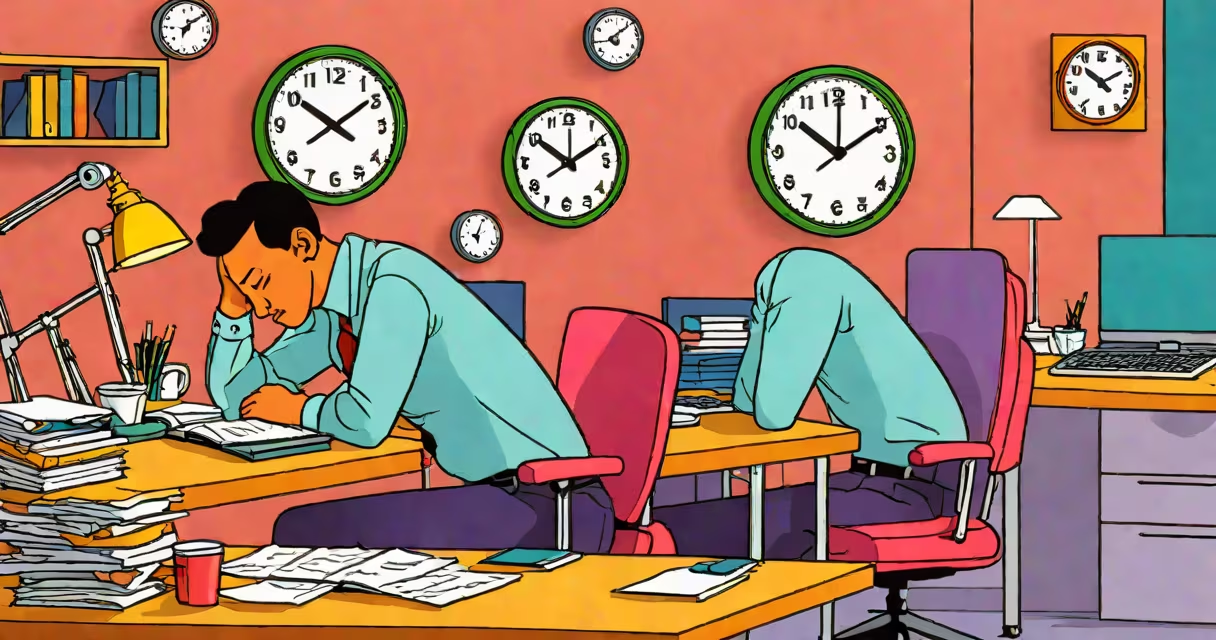
You're feeling lethargic because your body or brain lacks the energy needed to function at normal levels. This state involves persistent tiredness, sluggishness, and reduced motivation, often unrelated to sleep duration. Lethargy may stem from medical conditions, lifestyle habits, or psychological factors.
Lethargy results from disrupted energy metabolism. Cells rely on glucose and oxygen to produce ATP-the primary energy currency of the body. When supply chains fail due to poor diet, dehydration, or illness, cells slow down. The brain, which uses 20% of the body's energy despite being 2% of its weight, becomes especially sensitive to disruptions. Even mild dehydration reduces blood flow to the brain, impairing focus and reaction time.
Common triggers include insufficient sleep, untreated anemia, hypothyroidism, depression, and prolonged stress. A 2021 study in Journal of Clinical Sleep Medicine found that adults who slept less than six hours nightly reported 30% higher fatigue scores than those sleeping seven to eight hours. Another study in Endocrine Connections linked subclinical hypothyroidism to unexplained fatigue in 40% of patients.
Your body signals fatigue through hormonal and neurological pathways. Cortisol, released during stress, spikes in the morning to promote wakefulness. When cortisol rhythms are disrupted-by irregular sleep schedules or chronic anxiety-it fails to rise properly, leading to afternoon crashes. Melatonin, the sleep hormone, should peak at night. Light exposure after dark suppresses melatonin, delaying sleep onset and reducing sleep quality.
Neurotransmitters like dopamine and serotonin regulate mood and energy. Low dopamine levels correlate with reduced motivation and mental fog. Serotonin deficiency is tied to both fatigue and depressive symptoms. A 2020 review in Neuropsychopharmacology showed that individuals with low serotonin had lower energy levels even after adequate rest.
Metabolic processes also play a role. Mitochondria-the cell's power plants-generate ATP. When mitochondria malfunction due to oxidative stress or genetic mutations, energy output drops. Conditions like mitochondrial myopathy cause severe fatigue, though they're rare. More commonly, poor nutrition depletes B vitamins, magnesium, and iron-cofactors essential for ATP production.
Lethargy isn't a single condition. It can be acute (short-term) or chronic (long-term), and its origin varies:
| Type | Duration | Common Causes | Example |
|---|---|---|---|
| Acute | Hours to days | Illness, dehydration, missed meals | Feeling drained after a 24-hour work shift |
| Chronic | Weeks to months | Anemia, hypothyroidism, depression | Constant fatigue despite 8 hours of sleep |
| Psychogenic | Variable | Stress, burnout, anxiety | Feeling mentally wiped out after daily emotional labor |
Acute lethargy often resolves with hydration, food, or rest. Chronic cases require medical evaluation. Psychogenic fatigue-driven by mental strain rather than physical disease-is frequently misdiagnosed. A 2019 study in Occupational Medicine found that 62% of workers reporting fatigue had no identifiable medical cause, but 87% showed signs of burnout.
People often confuse lethargy with laziness. Laziness implies voluntary inactivity. Lethargy is involuntary and often painful. You don't "choose" to feel this way. A 2022 survey by the American Psychological Association found that 71% of adults who described themselves as "lazy" actually met clinical criteria for fatigue-related disorders.
Another myth is that more sleep fixes everything. While sleep is critical, oversleeping (more than nine hours) correlates with increased fatigue. A 2023 study in Sleep Health showed that people who slept nine or more hours had higher rates of daytime drowsiness than those sleeping seven to eight hours.
Some assume caffeine solves fatigue. Caffeine blocks adenosine receptors, temporarily masking tiredness. But it doesn't restore cellular energy. Overuse leads to dependency, rebound fatigue, and disrupted sleep cycles. After three weeks of daily caffeine, participants in a 2021 trial reported 40% greater fatigue during withdrawal periods.
Consider Sarah, a 34-year-old office worker. She felt lethargic every afternoon, struggled to concentrate, and needed naps. She slept eight hours nightly and ate balanced meals. Blood tests revealed low ferritin (iron stores) and borderline low vitamin D. Her doctor diagnosed iron-deficiency anemia. After four weeks of iron supplements and dietary changes, her energy returned. Her fatigue wasn't lack of effort-it was a biochemical deficit.
I've seen similar patterns in patients. One man reported constant fatigue for over a year. He exercised regularly and ate well. A routine blood panel uncovered subclinical hypothyroidism. His TSH level was 7.2 mIU/L (normal range: 0.4-4.0). After starting levothyroxine, his energy improved within six weeks. This case illustrates that lethargy isn't always visible-it hides in lab values.
If lethargy lasts more than two weeks, interferes with daily tasks, or worsens despite rest, consult a healthcare provider. Red flags include unintentional weight loss, fever, chest pain, or numbness. These may indicate underlying conditions like autoimmune diseases, infections, or neurological disorders.
Start with a primary care physician. Request basic labs: complete blood count (CBC), thyroid-stimulating hormone (TSH), vitamin B12, folate, and fasting glucose. If results are normal, consider a sleep study or mental health screening. Depression often presents as fatigue, not sadness. Up to 60% of people with major depressive disorder report fatigue as their primary symptom.