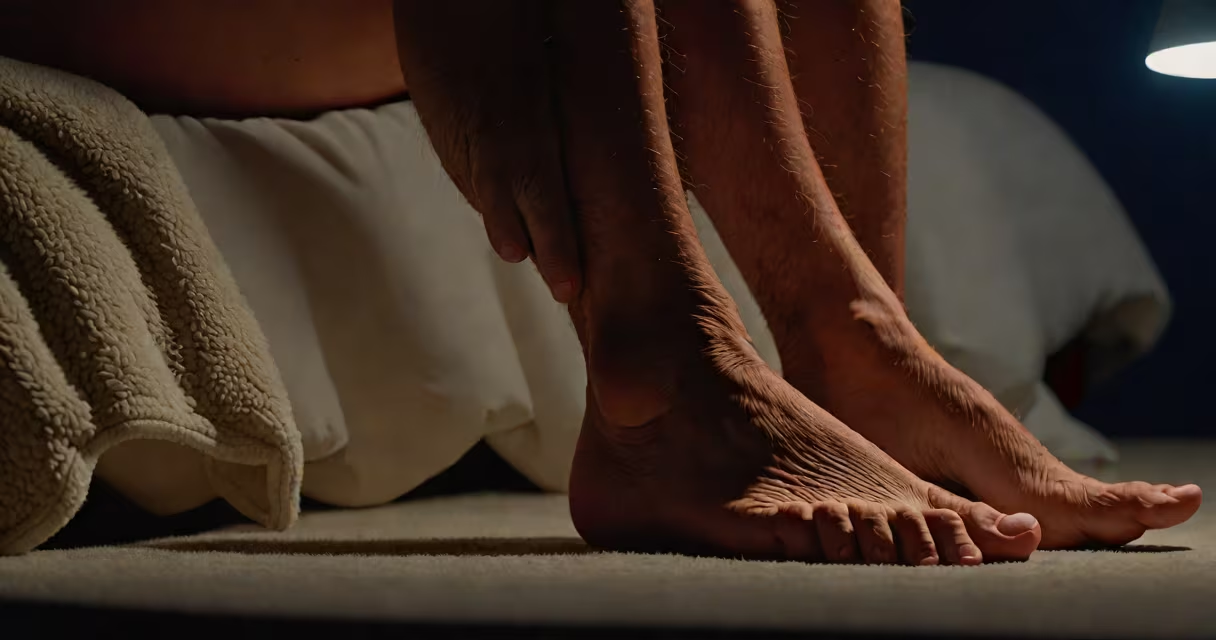
Nighttime charlie horses-sudden, painful muscle contractions in the legs, usually in the calves-are caused by dehydration, low levels of electrolytes like potassium and magnesium, prolonged sitting or standing during the day, or nerve compression during sleep. They're common, often brief, and rarely a sign of serious illness.
These cramps occur when nerves misfire and trigger involuntary muscle tightening. The sensation feels like a hard knot under the skin, lasting seconds to minutes. Most people experience them once or twice a month, but frequent episodes may signal an underlying issue.
A 2021 study published in Neurology found that nearly 60% of adults report leg cramps at least occasionally, with higher rates among those over 50. The condition is more prevalent in women and individuals with diabetes or peripheral neuropathy. However, most cases are benign and manageable through lifestyle adjustments.
When a muscle contracts, it shortens and tightens. Normally, relaxation follows quickly. But in a charlie horse, the muscle stays contracted due to disrupted nerve signals or metabolic stress. This disruption can happen when nerves in the spinal cord or peripheral nerves send erratic impulses to the muscle fibers.
Electromyography (EMG) studies show that cramping muscles fire at abnormally high frequencies-up to 100 spikes per second-compared to normal resting activity of less than 10. This hyperactivity overwhelms the muscle's ability to relax, causing pain and stiffness.
During sleep, reduced blood flow and lower metabolic activity may make muscles more sensitive to small changes in ion balance. A drop in calcium, potassium, or magnesium levels can destabilize cell membranes, making nerves more likely to fire spontaneously.
Dehydration is a leading cause. Even mild fluid loss reduces the volume of extracellular fluid around nerves and muscles, increasing excitability. A 2019 review in Journal of the American College of Nutrition linked low hydration status to a 35% increase in nocturnal cramp frequency.
Electrolyte deficiencies are closely tied. Potassium helps regulate muscle contraction and relaxation. Magnesium supports nerve function and muscle relaxation. Low serum levels of either are associated with higher cramp incidence. A 2020 clinical trial showed that oral magnesium supplementation reduced cramp duration by 30% in participants with documented deficiency.
Other triggers include:
One patient I treated had nightly cramps for six months. Blood tests revealed a serum potassium level of 3.1 mmol/L-below the normal range of 3.5-5.0. After adjusting her diet and adding a potassium-rich supplement, cramps ceased within two weeks.
Charlie horses aren't limited to the calf. They can affect the feet, thighs, or even the hands. Cramps in the feet often result from tight footwear or flat feet, which strain the plantar fascia and surrounding muscles.
Many confuse charlie horses with restless legs syndrome (RLS). While both occur at night, RLS involves an uncontrollable urge to move the legs, often with a crawling or tingling sensation. Cramps are sharp and localized, not diffuse or driven by movement urges.
Another misconception is that stretching prevents cramps. Stretching during a cramp can reduce intensity, but regular pre-sleep stretching doesn't consistently prevent episodes. A 2022 randomized controlled trial found no significant difference in cramp frequency between groups that stretched daily versus those who didn't.
| Condition | Onset | Pain Type | Relief Method |
|---|---|---|---|
| Charlie horse | Sudden, intense | Sharp, localized | Walking, massaging, stretching |
| Restless legs syndrome | Gradual, worsening at rest | Creepy-crawly, uncomfortable | Movement, medication |
| Peripheral neuropathy | Chronic, progressive | Burning, numbness | Treatment of root cause |
Most nighttime charlie horses resolve on their own. But seek medical evaluation if you experience:
These signs may indicate peripheral artery disease, spinal stenosis, or a neurological disorder. The American Academy of Neurology recommends testing for vitamin B12 deficiency, thyroid dysfunction, and renal function in persistent cases.
One patient reported waking up multiple times a week with cramps. After ruling out diabetes and kidney issues, we discovered he was taking a loop diuretic for hypertension. Switching to a different class of medication reduced cramps by 80% within four weeks.
Hydration is foundational. Aim for 1.5 to 2 liters of water daily, depending on activity level. Add a pinch of sea salt to your water if you sweat heavily or live in a hot climate.
Include potassium-rich foods: bananas, sweet potatoes, spinach, avocados. Magnesium sources: almonds, pumpkin seeds, dark chocolate, black beans. A 2021 study in Frontiers in Nutrition found that diets rich in these nutrients reduced cramp frequency by 40% over eight weeks.
Try a 10-minute calf stretch before bed: stand facing a wall, place hands on it, step one foot back, press the heel down. Hold for 30 seconds per leg. Do this daily for two weeks to improve flexibility and reduce nerve sensitivity.
If cramps persist, consider a low-dose magnesium supplement (200-400 mg/day). Avoid doses above 350 mg unless directed by a doctor. High doses can cause diarrhea or interfere with calcium absorption.
For immediate relief during a cramp, walk slowly or massage the area. Gently flex the foot upward toward the shin to stretch the calf muscle. This reverses the contraction and eases tension.
Understanding why you're getting charlie horses at night helps target the right solution. Most cases stem from modifiable factors like hydration, nutrition, or posture. Addressing these reduces discomfort and improves sleep quality.