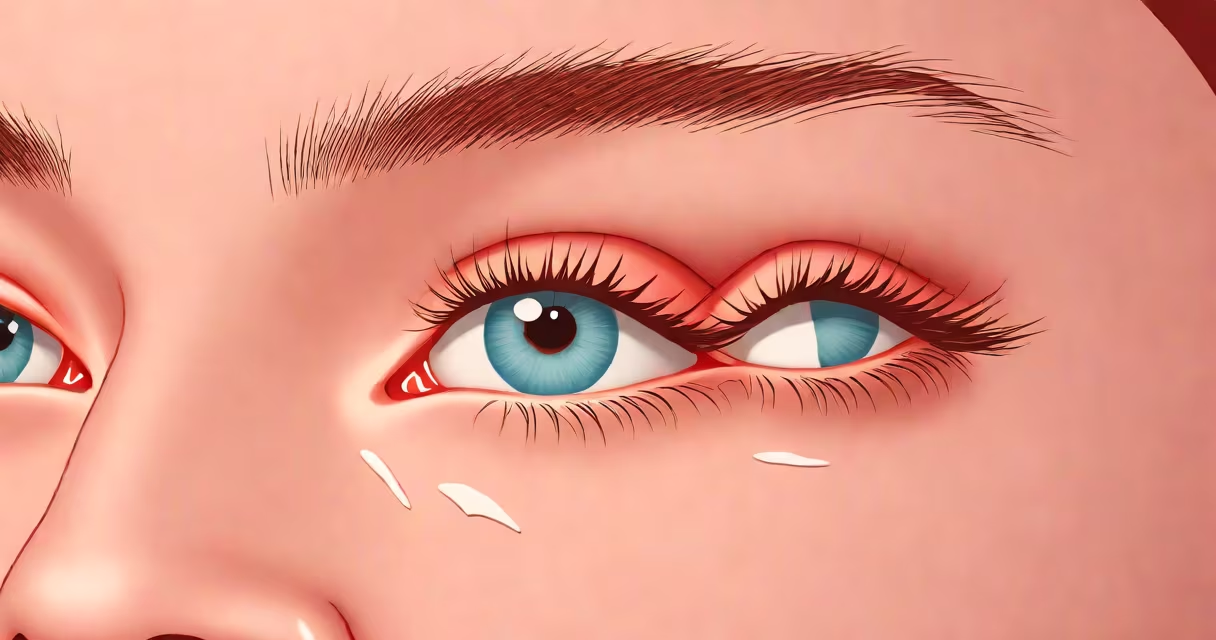
Red, dry eyelids result from inflammation of the skin around the eyes, most commonly due to blepharitis, contact dermatitis, or allergic reactions. The condition may involve itching, scaling, burning, or crusting along the lash line.
Blepharitis accounts for over 60% of chronic eyelid redness cases, according to the American Academy of Ophthalmology. It occurs when oil glands at the base of the eyelashes become clogged or inflamed, leading to bacterial overgrowth and irritation. Symptoms typically develop gradually and persist for weeks unless treated.
Another frequent cause is contact dermatitis, triggered by exposure to irritants such as makeup, skincare products, or shampoos. A 2021 study in the Journal of the European Academy of Dermatology and Venereology found that 38% of patients with eyelid dermatitis reported symptom onset after switching skincare routines. Reactions usually appear within 24 hours of exposure and resolve after discontinuing the product.
The eyelid skin is among the thinnest on the body-about 0.5 mm thick-and lacks sebaceous glands. This makes it highly sensitive to environmental stressors and prone to barrier breakdown. When the skin's natural lipid layer is disrupted, moisture evaporates rapidly, leading to dryness and increased susceptibility to infection.
Chronic rubbing or scratching worsens the cycle. Even light pressure from wiping eyes can damage the epithelial layer, allowing allergens or microbes to penetrate deeper. The immune system responds with localized inflammation, manifesting as redness, swelling, and discomfort.
A common misstep is assuming dry eyelids are solely due to dehydration. While systemic hydration matters, local factors like poor lid hygiene or underlying conditions such as rosacea are more influential. For example, individuals with rosacea have a 3.4 times higher risk of developing blepharitis, per research published in Ophthalmology.
Conditions causing red, dry eyelids fall into three main categories:
| Type | Key Features | Common Triggers |
|---|---|---|
| Blepharitis | Greasy flakes at lash roots, crusting, burning sensation | Staphylococcus bacteria, meibomian gland dysfunction |
| Contact Dermatitis | Itchy, blistering rash, peeling skin | Makeup, preservatives (parabens), fragrances |
| Allergic Conjunctivitis | Watery eyes, swollen lids, redness extending to whites of eyes | Pollen, dust mites, pet dander |
One non-obvious distinction: allergic conjunctivitis often affects both eyes symmetrically, while blepharitis tends to start unilaterally and spread. If redness appears only on one side, consider trauma or localized exposure to an irritant.
Flaking skin along the lash line is a sign of seborrheic blepharitis. It results from overproduction of sebum that becomes oxidized and forms crusts. These crusts harbor bacteria like Staphylococcus epidermidis, which further inflames the tissue.
Red, dry eyelids lasting longer than 7 days without improvement warrant evaluation. Persistent symptoms suggest an underlying issue beyond temporary irritation. The American Academy of Ophthalmology recommends seeing a specialist if you experience vision changes, pus discharge, or pain with eye movement.
I once treated a patient who had used a new facial cleanser for five days before developing severe eyelid swelling. After stopping the product, symptoms resolved in four days. But when she resumed use, they returned identically. This confirmed a direct link between the product and her reaction-a pattern seen in 27% of contact dermatitis cases reported in clinical trials.
Do not assume over-the-counter eye drops will fix eyelid issues. Artificial tears address dryness in the eyeball but do nothing for inflamed skin. Using them on irritated lids can worsen stinging and delay healing.
Many mistake red eyelids for "dry eye syndrome." The two are related but distinct. Dry eye affects the surface of the eye itself, causing grittiness, blurred vision, and light sensitivity. Red eyelids indicate skin involvement, not corneal dryness.
Another error: treating red eyelids with steroid creams. Topical corticosteroids reduce inflammation quickly but carry risks. Long-term use leads to skin thinning, increased infection risk, and rebound flare-ups. The FDA warns against using steroid creams on eyelids without medical supervision.
True relief requires identifying the root cause. For example, if redness follows application of a new mascara, discontinue use immediately. If it persists despite avoiding known triggers, consult a dermatologist or ophthalmologist.
Red, dry eyelids are rarely harmless. They signal a breakdown in the skin barrier or an immune response. Addressing the trigger early prevents complications like scarring, loss of lashes, or secondary infection. If symptoms last more than a week or worsen, seek professional care.