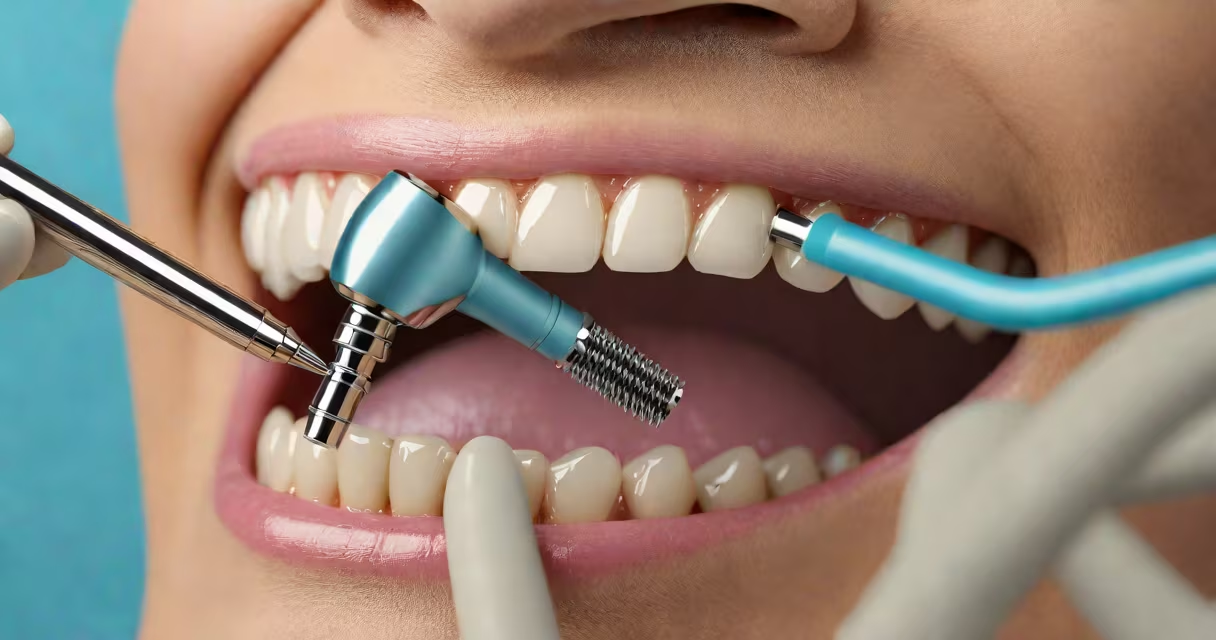
Dental cleanings are professional procedures performed by a licensed hygienist or dentist to remove plaque, tartar, and bacteria from teeth and below the gumline. These cleanings prevent gum disease, tooth decay, and systemic health issues linked to poor oral hygiene.
Plaque forms continuously on teeth from food particles and saliva. If not removed, it hardens into tartar within 24 to 48 hours. Tartar cannot be removed by brushing or flossing. Only a dental professional can eliminate it using specialized tools like ultrasonic scalers and hand instruments.
During a typical cleaning, the hygienist uses a scaler to remove tartar from above and below the gumline. They then polish teeth with a gritty paste to smooth surfaces and reduce future plaque accumulation. The process concludes with fluoride application to strengthen enamel and reduce cavity risk.
Cleanings begin with a visual and tactile examination of the gums and teeth. The hygienist uses a periodontal probe to measure pocket depths between teeth and gums. Healthy pockets are 1 to 3 millimeters deep. Pockets deeper than 4 mm indicate early signs of periodontitis, requiring further treatment.
Next, the hygienist uses an ultrasonic scaler. This device emits high-frequency vibrations that break apart tartar deposits. The machine also irrigates the area with water to flush out debris and cool the tissue. After scaling, hand instruments called curettes are used to smooth root surfaces and remove residual calculus.
A polishing cup with prophylaxis paste removes surface stains and leaves teeth smooth. This reduces bacterial adherence. Finally, a fluoride varnish is applied to strengthen enamel and reduce sensitivity. The entire process takes 30 to 60 minutes, depending on buildup severity.
Not all cleanings are the same. The type recommended depends on the patient's oral health status and risk factors.
| Type | When Used | Procedure Details |
|---|---|---|
| Prophylaxis | Healthy mouths with minimal buildup | Standard cleaning; removes plaque and tartar from visible surfaces and shallow pockets |
| Scaling and Root Planing | Gum disease (periodontitis) with pockets deeper than 4 mm | Deep cleaning; removes tartar from below the gumline and smoothes root surfaces to promote reattachment |
| Periodontal Maintenance | After treatment for advanced gum disease | Follow-up visits every 3 to 4 months to monitor healing and prevent recurrence |
Patients with gingivitis may receive a prophylaxis. Those with moderate to severe periodontitis require scaling and root planing. This procedure often involves local anesthesia due to sensitivity. Follow-up maintenance visits are critical to sustaining results.
Dental cleanings are standard care in the United States. The American Dental Association recommends them every six months for most adults. However, individuals with higher risk-such as smokers, diabetics, or those with a family history of gum disease-may need cleanings every three to four months.
Research shows that regular cleanings reduce the risk of tooth loss by 40%. A 2021 study published in the Journal of Periodontology found that patients who received cleanings every six months had 30% fewer incidents of advanced periodontitis compared to those with irregular visits.
Oral health is linked to systemic conditions. The National Institutes of Health reports that untreated periodontal disease increases the risk of heart attack by 24% and stroke by 19%. Bacteria from infected gums enter the bloodstream and contribute to inflammation in blood vessels.
Many people believe that brushing twice daily makes cleanings unnecessary. This is false. Brushing removes soft plaque but cannot access areas below the gumline or between teeth. Tartar builds up in these zones and leads to gum recession and bone loss.
Another myth is that cleanings cause permanent damage to enamel. No credible evidence supports this. The tools used are designed to remove only calculus, not healthy tooth structure. A 2019 review in the Journal of Clinical Dentistry confirmed that scaling does not erode enamel when performed correctly.
Some patients avoid cleanings due to discomfort. While mild soreness is common afterward, especially if gums are inflamed, pain during the procedure indicates improper technique or missed areas. A skilled hygienist adjusts pressure and uses appropriate tools to minimize discomfort.
In 2022, a 45-year-old man with no symptoms of gum disease visited his dentist for a routine checkup. He brushed twice daily and flossed weekly. During the exam, the hygienist detected 4 mm pockets on several molars and small amounts of tartar under the gumline.
He underwent a prophylaxis cleaning. Two weeks later, he reported reduced gum bleeding while brushing. At his follow-up visit six months later, pocket depths had decreased to 2 mm. His dentist noted improved gum attachment and no new cavities.
This case illustrates that even asymptomatic patients benefit from cleanings. Early intervention prevents progression to irreversible bone loss.
Dental cleanings are essential for preventing gum disease, tooth loss, and systemic complications. They remove tartar and bacteria that home care cannot reach. Scheduling cleanings every six months-or more frequently if advised-protects long-term oral and health.