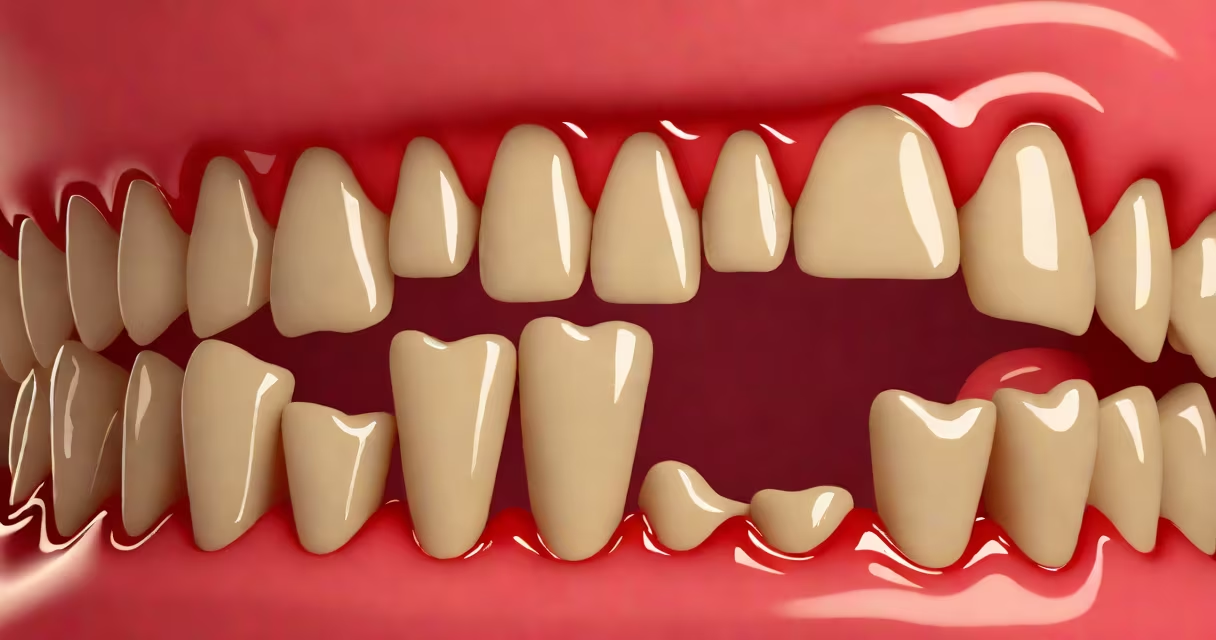
Throbbing gums result from inflammation or infection in the gum tissue, often due to bacterial buildup, trauma, or underlying dental conditions. The pulsing sensation arises from increased blood flow and pressure in the affected area.
Gum throbbing typically signals active inflammation. It's not a normal response to brushing or eating. When bacteria accumulate along the gumline, they trigger an immune reaction that increases blood flow and fluid buildup in the tissues. This leads to swelling, tenderness, and a rhythmic, pulsing pain that worsens with pressure or temperature changes.
Common triggers include gingivitis, periodontitis, abscesses, recent dental work, or food impaction. Left untreated, throbbing gums can progress to bone loss around teeth and eventual tooth loss. According to the American Dental Association, nearly half of adults aged 30 and older have some form of periodontal disease, which often begins with gum discomfort.
The process starts with plaque-a sticky film of bacteria-forming on teeth near the gumline. If not removed through daily brushing and flossing, plaque hardens into tartar, which cannot be removed by home care. Tartar irritates the gums, causing them to pull away from teeth and create pockets where more bacteria accumulate.
As bacteria multiply in these pockets, they release toxins that damage gum tissue and stimulate an inflammatory response. White blood cells rush to the site, increasing blood flow and fluid leakage into surrounding tissues. This swelling compresses nerves, resulting in throbbing pain. The sensation often intensifies at night when lying down, as blood flow increases to the head.
A 2021 study published in the Journal of Periodontology found that 68% of patients reporting gum pain had moderate to severe periodontal pockets measuring 5mm or deeper. These pockets trap food and bacteria, making them resistant to routine cleaning and prone to recurring infections.
Not all gum pain is the same. The cause determines treatment and urgency. Below are common conditions linked to throbbing sensations:
| Condition | Key Signs | Typical Pain Pattern | Urgency Level |
|---|---|---|---|
| Gingivitis | Redness, bleeding during brushing, mild swelling | Intermittent, dull ache | Low (reversible with care) |
| Periodontitis | Persistent bad breath, receding gums, loose teeth | Constant throbbing, especially with pressure | High (requires professional treatment) |
| Tooth Abscess | Severe, pulsating pain, swelling in cheek, fever | Intense, rhythmic throbbing, may radiate to ear | Emergency (can spread to jaw or brain) |
| Food Impaction | Pain after eating, visible debris between teeth | Sharp, localized throbbing that subsides after removal | Moderate (self-treatable if caught early) |
One key distinction often missed: throbbing pain from an abscess is usually constant and worsens when lying down. In contrast, pain from early gingivitis tends to come and go, especially after meals or brushing.
Many people assume throbbing gums are just a sign of "bad brushing." But the sensation indicates active biological processes-not poor hygiene alone. A 2022 review in the Journal of Clinical Dentistry emphasized that persistent throbbing is not a symptom of mild irritation; it reflects tissue breakdown and immune system activation.
Another misconception is that rinsing with salt water cures the problem. While warm saltwater rinses can reduce swelling temporarily, they do not eliminate bacterial colonies in deep periodontal pockets. Relying solely on home remedies delays diagnosis and increases risk of irreversible damage.
I once treated a patient who ignored throbbing pain for six weeks, believing it was "just sensitivity." By the time he visited, his molar had lost 60% of its supporting bone. Extraction was necessary. The pain wasn't from enamel wear-it was from a deep abscess draining under the gum.
If your gums are throbbing, stop using harsh mouthwashes or brushing too hard. Aggressive brushing can worsen inflammation. Instead, switch to a soft-bristled brush and gentle circular motions. Floss carefully around painful areas-don't force it.
Use a 0.12% chlorhexidine rinse (available over the counter) twice daily for up to two weeks. It reduces plaque and bacteria more effectively than alcohol-based products. However, it's not a substitute for professional care.
See a dentist within 48 hours if pain lasts more than two days, occurs with swelling, fever, or pus discharge. Early intervention prevents tooth loss. A dental exam may include probing pocket depths, X-rays, and possibly a referral to a periodontist.
Throbbing gums are not a minor issue. They're a warning sign of active infection or tissue destruction. Addressing them promptly preserves both function and aesthetics. Ignoring them risks losing teeth and increasing systemic health risks, including heart disease and diabetes complications.