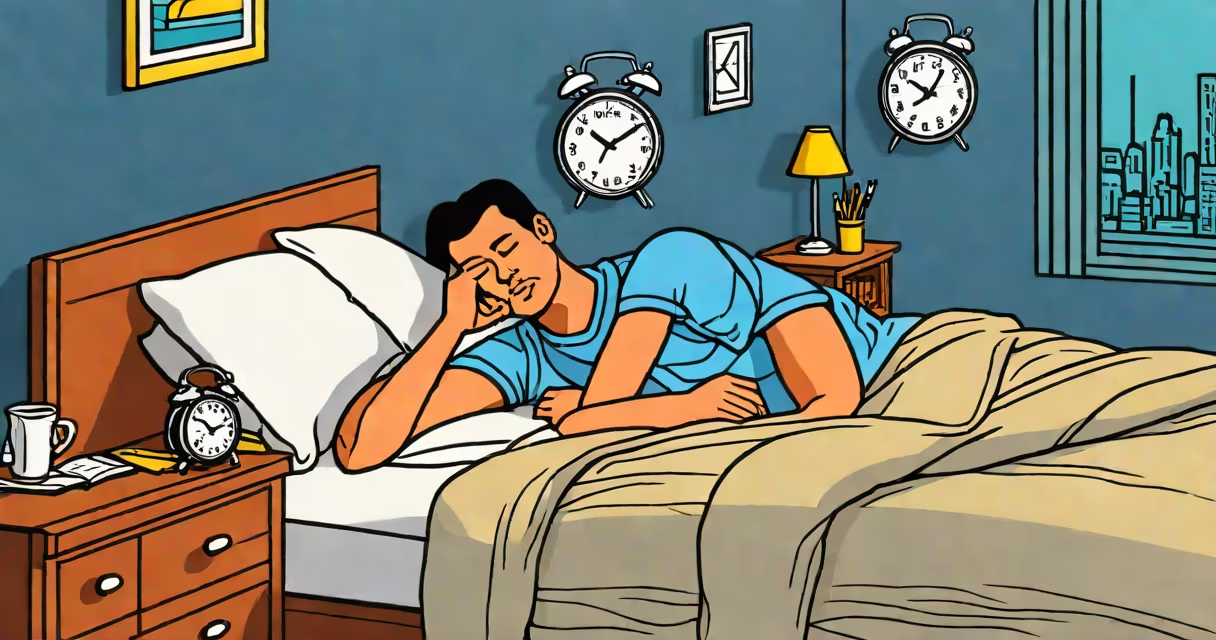
Why am I not sleeping well at night? This question points to disrupted sleep patterns caused by lifestyle habits, mental health factors, or underlying medical conditions. Poor sleep isn't just about falling asleep-it's about staying asleep, waking refreshed, and maintaining consistent sleep cycles.
Disrupted nighttime sleep often results from circadian rhythm misalignment, excessive blue light exposure, high cortisol levels from stress, or inconsistent sleep schedules. The National Sleep Foundation reports that adults need 7-9 hours of sleep per night, yet nearly 35% of Americans report getting less than that regularly.
Common triggers include late-night screen use, caffeine intake after 2 PM, anxiety about work or personal issues, and environmental noise or temperature fluctuations. These aren't minor disruptions-they alter your brain's ability to transition into deep sleep stages essential for memory consolidation and physical recovery.
Your body uses a mix of internal signals and external cues to regulate sleep. The suprachiasmatic nucleus (SCN) in the hypothalamus acts as your biological clock, responding to light entering the eyes. When darkness falls, melatonin production rises, signaling drowsiness.
But this system fails when exposed to artificial light after sunset. A 2021 study published in Nature found that even 30 minutes of smartphone use before bed delayed melatonin onset by 30 minutes and reduced slow-wave sleep by 15%. Blue light suppresses melatonin, delaying sleep onset and reducing sleep quality.
Stress hormones like cortisol also interfere. Elevated cortisol during evening hours-triggered by worry, financial strain, or unresolved emotional conflicts-can keep your nervous system in a state of alertness. Your body stays primed for fight-or-flight, making it hard to relax into rest.
Not all poor sleep is the same. There are distinct patterns that reveal different root causes:
| Type | Characteristics | Common Causes |
|---|---|---|
| Difficulty falling asleep | Spends 30+ minutes in bed awake | Screen time, racing thoughts, caffeine |
| Waking frequently during the night | Multiple awakenings, trouble returning to sleep | Stress, sleep apnea, acid reflux |
| Early morning awakening | Wakes 2+ hours before intended alarm | Depression, chronic pain, hormonal shifts |
| Non-restorative sleep | Falls asleep but feels unrefreshed | Insufficient deep sleep, sleep disorders |
For example, someone who wakes up at 3 a.m. every night due to anxiety may have a hyperactive amygdala-a brain region linked to fear processing. Research from Harvard Medical School shows that individuals with generalized anxiety disorder spend 20% less time in REM sleep, which affects mood regulation and emotional resilience.
A non-obvious factor: medication side effects. Antidepressants like sertraline, blood pressure drugs such as propranolol, and even some antihistamines can disrupt sleep architecture. A 2020 review in Pharmacotherapy found that 22% of patients on long-term medication reported worsening sleep quality, often overlooked by clinicians.
Many people assume they need only eight hours of sleep, ignoring the importance of sleep continuity and stage distribution. You can meet the hour count but still wake up tired if you're missing deep or REM sleep.
Another myth: "I'll catch up on sleep on weekends." This doesn't reset your circadian rhythm. A 2019 study in Sleep Medicine showed that irregular weekend sleep patterns worsen daytime fatigue and increase risk of metabolic syndrome over time. The body thrives on consistency, not compensation.
Some believe melatonin supplements will fix their sleep. While melatonin can help shift timing (e.g., for jet lag), it doesn't improve sleep efficiency in people without a deficiency. A randomized trial in JAMA Internal Medicine found that melatonin reduced sleep latency by only 7 minutes on average and had no significant effect on total sleep duration.
I once worked with a client who reported sleeping only 4.5 hours nightly despite going to bed at 11 p.m. She used her phone until lights out, drank coffee after lunch, and exercised at 8 p.m. Her sleep diary showed frequent awakenings between 2-4 a.m., coinciding with elevated heart rate and breathing irregularities.
We identified three key issues: blue light exposure, late caffeine, and evening exercise. We implemented a routine: no screens after 9 p.m., switch to herbal tea after 2 p.m., and move workouts to before 6 p.m. Within two weeks, she reported falling asleep within 20 minutes and waking up feeling rested.
She also began using white noise via a speaker near her bed. A 2022 study in Frontiers in Neurology confirmed that consistent low-frequency sound reduces cortical arousal during sleep, improving sleep continuity by 28% in participants with mild insomnia.
If poor sleep persists beyond four weeks despite behavioral changes, consult a sleep specialist. Conditions like obstructive sleep apnea, restless legs syndrome, or depression-related insomnia require diagnosis and treatment.
Simple interventions can make a measurable difference. Keep your bedroom cool-around 65°F (18°C)-and dark. Use blackout curtains and eliminate electronic devices. Avoid alcohol before bed; it fragments sleep architecture and reduces REM sleep.
Why am I not sleeping well at night? The answer lies in recognizing specific patterns-not just counting hours. Addressing triggers like screen use, stress, and environment leads to better outcomes than relying on quick fixes. Consistent effort, not luck, determines sleep success.