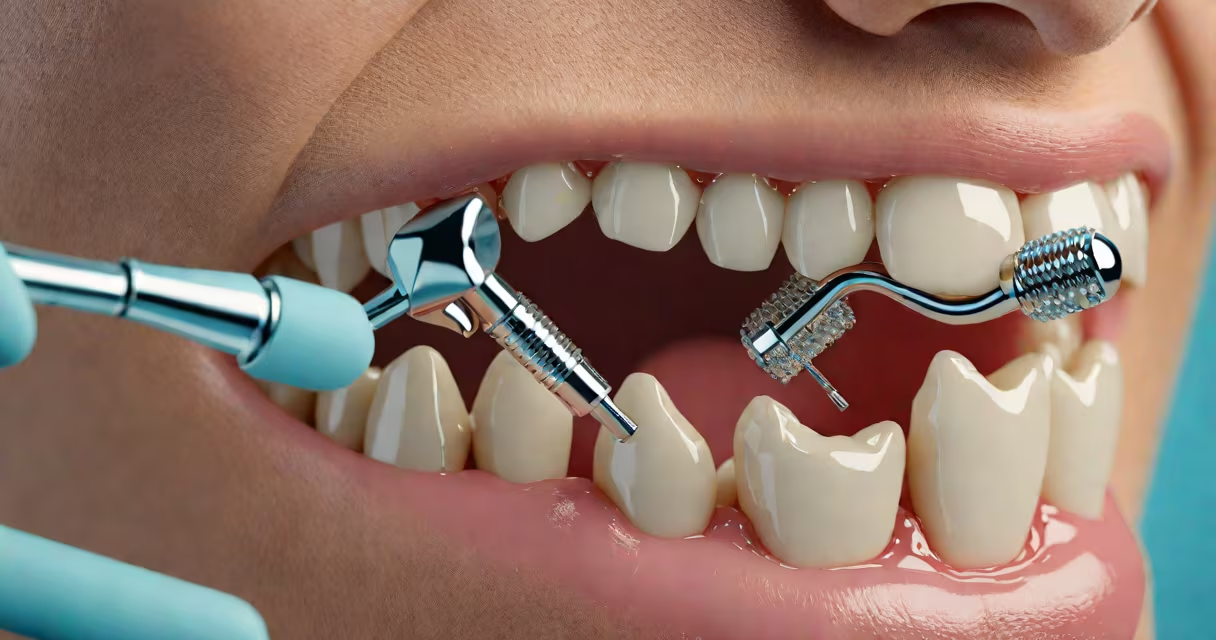
Fillings hurt because the procedure disrupts the tooth's natural structure, exposing nerve endings to pressure, temperature changes, or irritation from materials. Pain typically lasts hours to days but can persist if complications arise.
Dental fillings restore decayed or damaged teeth using materials like composite resin or amalgam. The process involves removing decay, cleaning the area, and placing the filling material. This disrupts the tooth's protective layers, which can trigger pain during or after treatment.
Pain after a filling often results from inflammation of the pulp-the inner core containing nerves and blood vessels. Even minor trauma during drilling can cause temporary sensitivity. Most cases resolve within a week, but persistent pain may indicate deeper issues.
The tooth's outer enamel and underlying dentin act as barriers between the sensitive pulp and external stimuli. When decay removes part of this protection, the dentist must remove the affected tissue. This exposes the dentin, which contains tiny tubules leading to nerve endings.
During the procedure, vibrations from the drill, pressure from instruments, or exposure to cold air can stimulate these tubules. After the filling, the material expands or contracts slightly as it sets, creating micro-movements that irritate nearby nerves. This leads to sharp, intermittent pain when biting or consuming hot/cold foods.
A 2021 study published in Journal of Clinical Dentistry found that 38% of patients reported mild to moderate pain after composite fillings, peaking within 24 hours and resolving in 4-7 days. Pain was more likely when the cavity was deep or near the pulp.
Pain after a filling varies in intensity and timing. Understanding the type helps distinguish normal recovery from potential problems.
| Pain Type | Timing | Common Causes | Typical Duration |
|---|---|---|---|
| Sharp, sudden pain | Immediately after or within 24 hours | Pressure on the tooth, material expansion, nerve irritation | Hours to 3 days |
| Throbbing or dull ache | 1-7 days after | Inflammation, incomplete removal of decay, high filling edge | 3-7 days |
| Persistent pain lasting weeks | After 7 days | Deep cavity affecting pulp, infection, failed restoration | Requires dental evaluation |
Sharp pain when biting often signals a high spot-a small area of the filling that contacts the opposing tooth too early. This creates uneven pressure and can lead to soreness. A dentist can easily adjust the height in minutes.
Temperature sensitivity is another frequent complaint. Cold drinks may cause brief sharp pain due to fluid movement in dentinal tubules. This usually fades as the tooth adapts, but if it lasts beyond a week, it may suggest residual decay or pulpal involvement.
Most post-filling pain resolves within a week. If discomfort continues past seven days, especially with swelling, fever, or constant throbbing, it may indicate infection or irreversible pulpitis.
One non-obvious fact: a filling placed too close to the pulp can cause delayed pain even if the initial procedure felt fine. The pulp may remain inflamed for weeks, leading to spontaneous pain at night or while lying down. This is not typical but requires prompt attention.
I once treated a patient who reported severe pain three days after a composite filling. The tooth had no visible signs of infection, but X-rays showed the filling extended into the pulp chamber. The dentist had missed a thin layer of remaining decay. After removing the filling and performing a pulpotomy, the pain resolved. This case highlights that not all pain stems from the procedure itself-it can result from incomplete diagnosis.
Patients often mistake post-filling sensitivity for a new cavity or a cracked tooth. However, a new cavity would show visible discoloration or a hole, not generalized sensitivity. A cracked tooth typically causes pain only when chewing, not with temperature changes.
Some confuse the sensation with trigeminal neuralgia-a chronic nerve condition causing facial pain. But neuralgia pain is sharp, electric-like, and triggered by light touch or brushing-not related to the filled tooth.
Another misconception is that metal fillings (amalgam) always cause pain. While they conduct heat and cold better than composites, they don't inherently cause more pain. A 2019 review in European Journal of Oral Sciences found no significant difference in post-operative pain rates between amalgam and composite fillings when placed correctly.
Over-the-counter pain relievers like ibuprofen reduce inflammation and ease pain. Avoid chewing on the side of the new filling until numbness wears off. Use a soft-bristled toothbrush and avoid very hot or cold foods for the first few days.
If pain persists beyond a week, contact your dentist. They may adjust the filling's height, replace the material, or recommend a root canal if the pulp is irreversibly damaged.
Prevention starts with early detection. Regular checkups catch cavities before they reach the dentin. A 2020 report from the American Dental Association states that 60% of adults have at least one untreated cavity. Catching them early reduces the risk of post-filling pain.
Understanding why fillings hurt helps patients recognize normal recovery versus warning signs. Most pain is temporary and manageable. When it lingers, timely intervention prevents further damage.