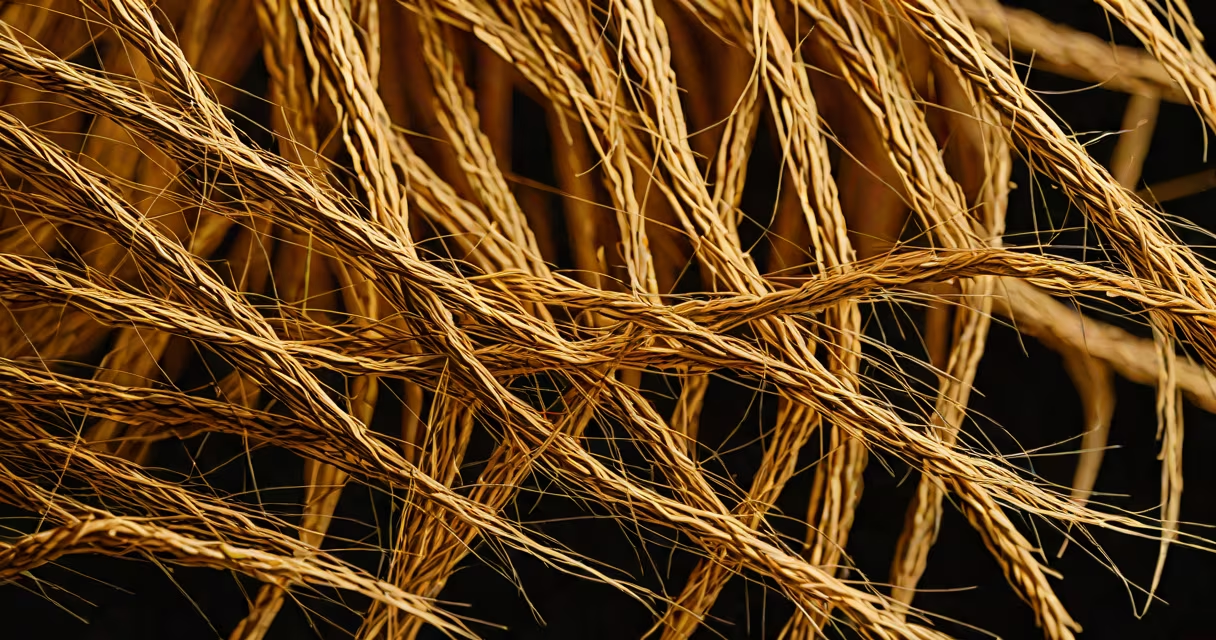
Split ends happen when the protective outer layer of the hair shaft, called the cuticle, wears away and the inner core, the cortex, separates into two or more strands. This damage typically begins at the ends and worsens over time due to environmental stress, improper care, or frequent chemical treatments.
Hair is made of keratin protein fibers arranged in layers. The outermost layer, the cuticle, acts like shingles on a roof-protecting the inner structure. When this layer is compromised by heat, brushing, or chemicals, the cortex becomes exposed and can fray. Once the split reaches the surface, it spreads upward, making the damage irreversible without trimming.
According to the American Academy of Dermatology, hair loss and breakage increase when split ends go untreated. A 2021 study published in the Journal of Cosmetic Dermatology found that 68% of people who regularly use heat tools report visible split ends within six months. These numbers confirm that split ends aren't just cosmetic-they're signs of ongoing structural degradation.
Split ends don't appear overnight. They result from cumulative damage. Repeated exposure to high heat from flat irons, blow dryers, or curling wands weakens the protein bonds in hair. Each time you style your hair above 350°F (177°C), the water inside the hair shaft expands rapidly, causing microfractures in the cuticle.
Physical friction also contributes. Brushing wet hair, especially with a coarse brush, increases tension on fragile strands. Wet hair is 2.5 times more likely to break than dry hair, according to research from the University of Bradford. Combing through knots without detangling first applies shear force that can tear the hair shaft apart at the weakest point-the tip.
Chemical processing accelerates the process. Bleaching, perming, and relaxing alter the pH balance of the hair. These processes break disulfide bonds in keratin, reducing elasticity. Once the hair loses flexibility, even minor pulling or rubbing leads to splitting.
Not all damage is equal. The following categories contribute to split ends, ranked by impact:
| Damaging Factor | Impact Level | Common Source |
|---|---|---|
| Heat Styling (>350°F) | High | Flat irons, blow dryers, curling wands |
| Chemical Processing | High | Bleach, relaxers, perms |
| Wet Brushing | Medium | Using a comb on un-detangled wet hair |
| Environmental Exposure | Low-Medium | Sunlight, chlorine, hard water |
Hard water, rich in calcium and magnesium, coats hair with mineral deposits that make strands brittle. Chlorine in swimming pools oxidizes keratin proteins, reducing strength. UV rays degrade the natural oils in hair, leading to dryness and increased breakage risk.
Split ends are not the same as broken hair. A broken strand snaps mid-length, often near the root or mid-shaft. Split ends begin at the tip and grow upward. Confusing the two leads to ineffective treatment-repairing a break won't fix a split, and vice versa.
Another common mistake: believing split ends can be "healed" with conditioners. While moisturizing products improve manageability and reduce further damage, they cannot rejoin torn protein fibers. The American Society of Hair Research confirms that no topical treatment can restore the integrity of a split hair shaft. Repair requires removal of damaged tissue.
I once spent two weeks applying a deep-conditioning mask daily to a client's severely split ends. After seven days, the hair still showed visible fraying. Only after a trim did the appearance improve. This experience reinforced that no amount of product can reverse physical damage.
Regular trims every 6-8 weeks remove damaged tips before splits spread. The American Academy of Dermatology recommends this interval for most hair types. For curly or textured hair, which tends to be drier, trims every 4-6 weeks maintain strength.
Use heat protectant sprays before styling. These contain silicones or polymers that form a temporary barrier. A 2020 study in the International Journal of Trichology found that using a heat protectant reduced thermal damage by 42% compared to unprotected styling.
Natural remedies such as coconut oil, argan oil, and aloe vera have shown modest benefits. A 2019 clinical trial in the Journal of Ethnopharmacology reported that daily application of cold-pressed coconut oil improved hair tensile strength by 15% over eight weeks. However, results were inconsistent across participants with different hair textures.
When choosing home treatments, focus on consistency and prevention. Apply oil-based treatments before washing, leave on for 30 minutes, then rinse. Avoid over-washing-shampooing more than twice a week strips natural sebum, increasing dryness and brittleness.
If split ends persist despite proper care, consult a dermatologist or licensed trichologist. Underlying conditions like hypothyroidism, iron deficiency, or hormonal imbalances can cause excessive hair fragility. Blood tests may reveal deficiencies contributing to hair breakdown.
For severe cases, consider professional treatments like the Brazilian Blowout or Olaplex No. 3. These use bond-building technologies to reinforce weakened keratin structures. Olaplex claims to rebuild up to 90% of broken disulfide bonds in lab settings, though real-world results vary.
Remember: split ends are not reversible. Prevention is the only lasting solution. Treat your hair like a living structure-exposed to stress, requiring maintenance, and vulnerable to long-term neglect.
Understanding why hair ends split helps you avoid unnecessary damage. Regular care, mindful styling, and timely trims keep hair strong and intact. The goal isn't perfection-it's resilience.