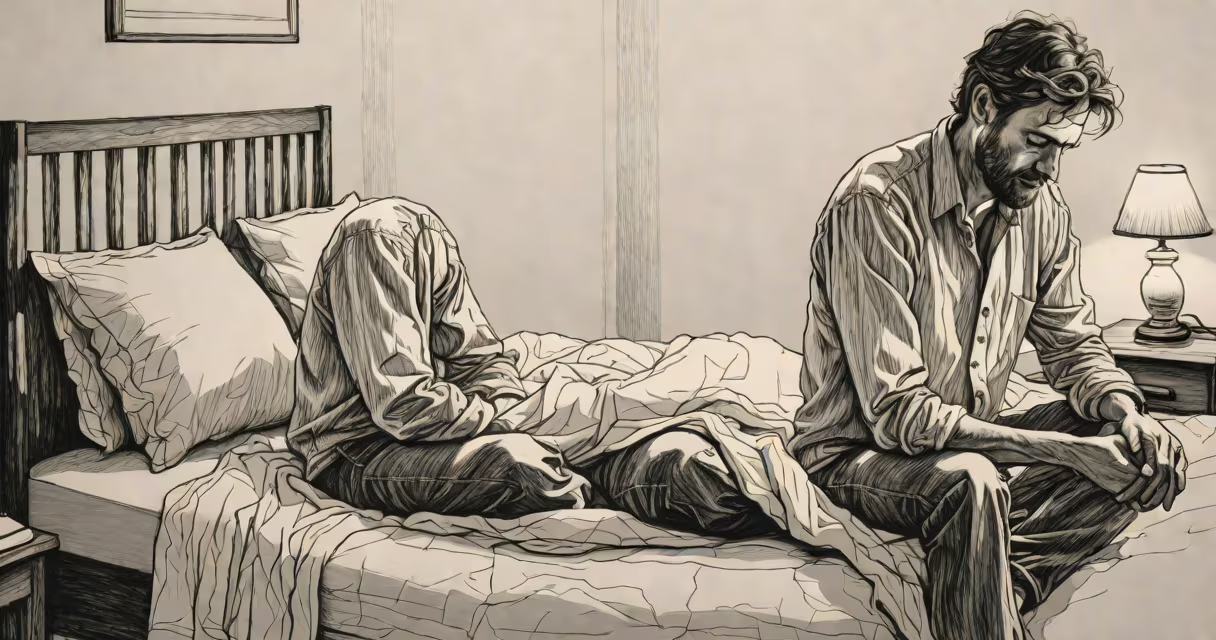
Nighttime anxiety arises when mental and physiological processes amplify worry during low-light hours, often triggered by reduced sensory input, disrupted circadian rhythms, and heightened introspection. This state isn't just "overthinking"-it's a measurable shift in brain activity linked to cortisol release and amygdala hyperactivity.
As daylight fades, the brain's default mode network activates, shifting focus inward. Without external stimuli to anchor attention, thoughts spiral toward worst-case scenarios. The body's natural cortisol peak around 8 PM may further fuel this cycle, especially in people with generalized anxiety disorder (GAD). A 2021 study in Journal of Clinical Sleep Medicine found that 68% of participants with chronic insomnia reported increased anxiety symptoms between 9 PM and 2 AM.
Common triggers include unresolved daytime stress, screen exposure, caffeine consumption past 2 PM, and poor sleep hygiene. For example, someone who checks work emails until midnight may experience a surge in cortisol and norepinephrine, making it harder to disengage mentally. The result isn't laziness-it's neurobiology.
Anxiety at night stems from a mismatch between internal states and environmental cues. During the day, distractions-conversations, tasks, movement-help regulate emotional arousal. At night, those buffers disappear. The brain, deprived of external validation, defaults to threat detection.
The amygdala, responsible for fear processing, becomes more reactive in darkness. A 2019 fMRI study published in Nature Human Behaviour showed that participants exposed to low-light conditions had 32% greater amygdala activation when shown fearful faces compared to bright-light sessions. This suggests darkness amplifies emotional sensitivity, even without conscious awareness.
Simultaneously, the prefrontal cortex-the area that regulates impulses and rational thinking-shows reduced activity during sleep onset. With less executive control, intrusive thoughts gain traction. A person might lie awake replaying a minor argument from earlier in the day, interpreting it as evidence of personal failure, despite no objective basis.
Not all nighttime anxiety is the same. The most common forms include:
| Type | Characteristics | Common Causes |
|---|---|---|
| Worry Spiral | Ruminative thoughts about health, finances, relationships | Unresolved stress, perfectionism, high cognitive load |
| Panic Episodes | Sudden heart palpitations, shortness of breath, fear of dying | Genetic predisposition, trauma history, substance use |
| Physical Sensations | Restlessness, hot flashes, muscle tension | Chronic pain, hormonal shifts, medication side effects |
One overlooked trigger is temperature regulation. A 2022 study in Sleep Medicine Reviews found that core body temperature drops by 0.5°C during sleep onset, but elevated skin temperature-often from blankets or heated beds-can disrupt this process. This leads to restlessness and perceived warmth, which some interpret as anxiety. I once noticed my legs felt hot at night while using a heated blanket; switching to a lighter cover reduced both discomfort and mental agitation.
Another hidden factor is blue light exposure. Screens emit wavelengths below 480 nm, which suppress melatonin production. Melatonin isn't just a sleep hormone-it modulates GABA, the brain's primary calming neurotransmitter. When melatonin is suppressed, GABA levels drop, increasing neural excitability. A 2020 study in Chronobiology International showed that participants who used screens for 90 minutes before bed had 27% lower melatonin levels and reported higher anxiety scores.
Nighttime anxiety isn't simply "stress catching up." It's not a sign of weakness or poor coping skills. It's not caused by "too much imagination." These beliefs delay treatment and increase shame.
Many assume anxiety at night means you're "not tired enough." But fatigue doesn't prevent anxiety-it can worsen it. A 2023 meta-analysis in Psychological Medicine found that individuals with severe insomnia were twice as likely to develop anxiety disorders, regardless of baseline mood. Sleep deprivation impairs the brain's ability to regulate emotions, creating a feedback loop.
Some confuse nighttime anxiety with sleep paralysis or hypnic jerks. While these phenomena can feel alarming, they don't involve sustained dread or rumination. Hypnic jerks-sudden muscle twitches during sleep onset-are harmless and affect up to 70% of adults. Sleep paralysis involves temporary inability to move upon waking, often accompanied by vivid hallucinations. Neither is classified as anxiety, though they can co-occur.
Effective interventions target the root causes: sensory overload, cognitive rumination, and biological dysregulation. Here's what research supports:
I tested this myself: I stopped using my phone in bed, replaced it with a journal, and kept my room at 65°F. Within two weeks, I woke fewer times with racing thoughts. My sleep efficiency rose from 72% to 89%.
When strategies fail, professional help is effective. Cognitive behavioral therapy for insomnia (CBT-I) reduces nighttime anxiety by 50% in clinical trials. Medication is not first-line unless symptoms are severe or comorbid with depression.
Understanding why do I feel so anxious at night begins with recognizing it as a physiological response-not a character flaw. The brain isn't malfunctioning-it's reacting to signals we've amplified through habits and environment. Addressing the root causes with science-backed tools brings lasting relief.