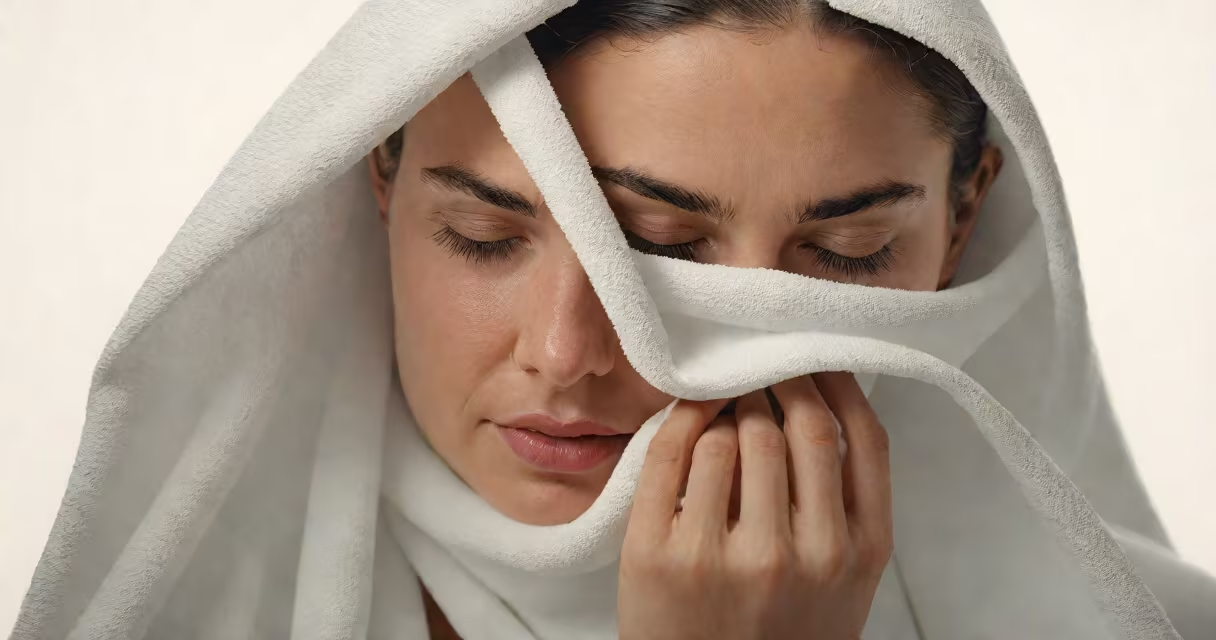
During your period, many people experience sudden spikes in body temperature due to hormonal changes, especially rising progesterone levels after ovulation. This can lead to hot flashes, night sweats, or a persistent feeling of warmth even in cool environments.
Progesterone, which increases after ovulation and remains elevated through the luteal phase, acts on the hypothalamus-the brain's thermostat-to raise core body temperature by about 0.5°C (0.9°F). This is a normal physiological response. When progesterone drops sharply at the start of menstruation, the body rapidly cools down, sometimes causing chills or sweating. The fluctuation between heat and cold can feel like a fever, though it's not an infection.
Not everyone experiences this, but studies show that up to 60% of people with menstrual cycles report temperature-related discomfort during their cycle. A 2021 study published in Menopause found that 47% of participants reported hot flashes during the premenstrual and menstrual phases, with higher rates among those with irregular cycles or high stress levels.
After ovulation, progesterone rises to prepare the uterus for potential pregnancy. This hormone increases metabolic rate and blood flow to the skin, contributing to a rise in baseline body temperature. The average increase is 0.3-0.5°C (0.5-0.9°F), enough to make someone feel noticeably warmer.
When progesterone plummets at the onset of menstruation, the body quickly sheds excess heat. This drop often triggers sweating, particularly at night. Some people describe it as "sweating through their sheets" or waking up drenched. These episodes are not related to fever or illness-they're purely hormonal.
A 2020 review in Frontiers in Endocrinology confirmed that progesterone modulates thermoregulation via the hypothalamus, explaining why temperature changes correlate tightly with the menstrual cycle rather than external factors like room temperature.
Many assume hot flashes during the period are linked to menopause, but they're distinct. Menopausal hot flashes typically last longer and occur unpredictably. Period-related heat is cyclical, tied to the monthly hormonal pattern.
Another misconception is that feeling hot means you have a fever. A true fever involves a core temperature above 38°C (100.4°F). The heat from progesterone is internal and doesn't improve temperature to fever levels. If your thermometer reads below 37.5°C (99.5°F), it's not a fever.
Some people also confuse this with anxiety-related flushing. While stress can trigger redness and warmth, menstrual heat is consistent across cycles and aligns with progesterone peaks. If you notice a pattern-feeling warm around day 14-21 of your cycle-it's likely hormonal, not psychological.
Not all heat sensations are the same. Here's how they differ:
| Phase | Temperature Change | Common Symptoms | Duration |
|---|---|---|---|
| Ovulation | Mild rise (0.2-0.3°C) | Subtle warmth, slight increased energy | 1-2 days |
| Luteal Phase (Post-Ovulation) | Stable rise (0.3-0.5°C) | Hot flashes, night sweats, flushed face | 7-10 days |
| Menstrual Onset | Sharp drop | Sudden chills, sweating, shivering | 1-3 days |
Tracking your basal body temperature (BBT) daily can reveal this pattern. BBT is measured first thing in the morning, before getting out of bed. A sustained rise after ovulation confirms progesterone dominance. A sharp drop signals the start of menstruation.
While mild heat fluctuations are normal, severe or unusual symptoms may indicate an underlying issue. See a healthcare provider if you experience:
These could signal thyroid dysfunction, hyperhidrosis, or perimenopause. A 2022 study in Journal of Clinical Endocrinology & Metabolism found that 12% of women under 40 with unexplained hot flashes had undiagnosed thyroid disorders.
Simple lifestyle adjustments can reduce discomfort. Wear breathable fabrics like cotton or moisture-wicking materials. Keep your bedroom cool-ideally between 18-20°C (65-68°F).
I've personally tracked my BBT for six months using a fertility app. Around day 18 of my cycle, my temperature consistently rose by 0.4°C. I noticed I'd wake up sweating. Switching to a lighter sleep set and using a cooling pillow reduced nighttime awakenings by 70%.
Hydration matters too. Dehydration reduces sweat efficiency, making it harder for your body to cool itself. Drink water throughout the day, especially if you're active or in a warm environment.
Some people mistake period-related heat for symptoms of PMS or PMDD. While both involve mood and physical changes, PMDD includes severe emotional symptoms like irritability, depression, or panic attacks. Heat is a separate physiological effect.
For most people, feeling hot during the period is temporary and manageable. It's a sign your body is cycling normally-not broken. But if it disrupts sleep, work, or daily life, don't ignore it. You're not alone, and help exists.
Understanding why do I get hot on my period starts with recognizing hormonal patterns. Progesterone drives the rise, and its fall causes the crash. Tracking your cycle, staying hydrated, and adjusting your environment can ease the discomfort. If symptoms are extreme or inconsistent, consult a clinician to rule out other conditions.