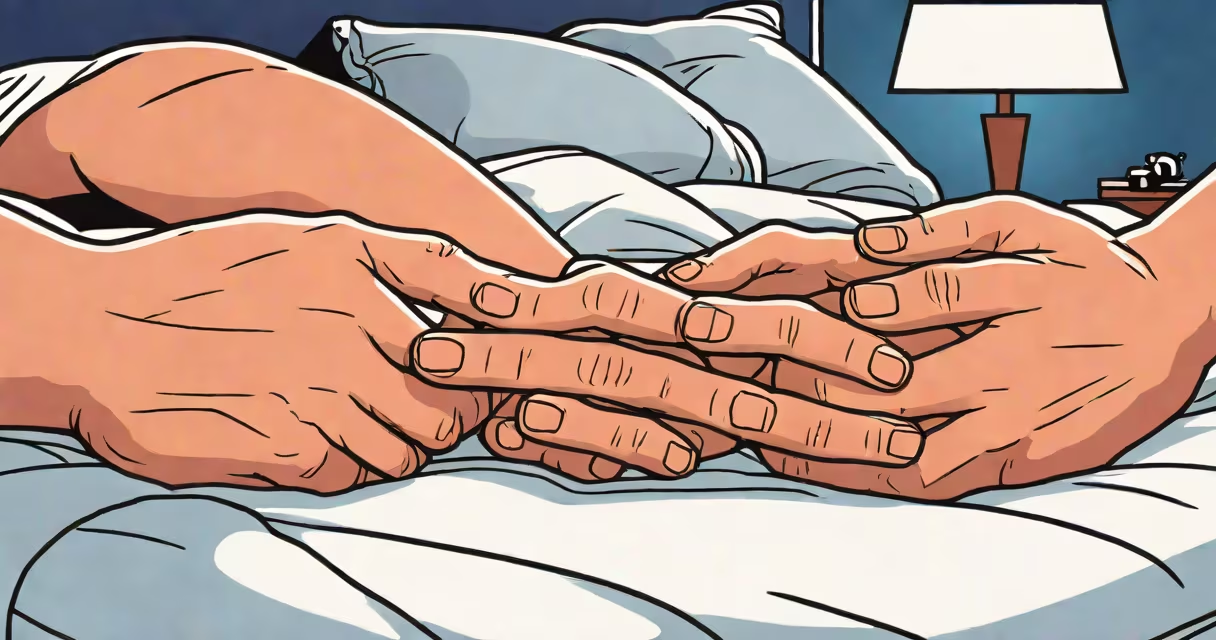
Itching before bed results from a mix of physiological changes during sleep onset, environmental factors like low humidity, and underlying skin conditions such as eczema or psoriasis. The sensation typically peaks between 10 PM and 2 AM due to circadian shifts in cortisol and histamine levels.
As body temperature drops during sleep preparation, blood flow increases to the skin's surface. This vascular shift can amplify nerve sensitivity, making mild irritants feel sharper. A 2021 study published in Journal of Investigative Dermatology found that itch perception rises by 30% between 8 PM and midnight in healthy adults, even without visible skin changes.
Environmental triggers compound the issue. Heating systems reduce indoor humidity below 30%, stripping moisture from the skin barrier. A 2019 report from the American Academy of Dermatology linked indoor air dryness to a 40% increase in nocturnal pruritus (itching) among adults with sensitive skin.
The nervous system processes itch signals differently at night. Cortisol, which suppresses inflammation, naturally declines after 6 PM. Simultaneously, histamine-a neurotransmitter involved in immune response and wakefulness-reaches peak levels around 11 PM. This dual shift lowers the threshold for itch perception.
Neurons in the spinal cord become more responsive to sensory input during sleep onset. Research from Stanford University's Sleep Neurobiology Lab shows that mice exposed to low-frequency itch stimuli showed 50% greater spinal neuron activation between 10 PM and 2 AM compared to daytime hours.
When you scratch, you trigger a feedback loop: the act releases more histamine and activates pain pathways that temporarily override itch signals. But this relief lasts only seconds. Repeated scratching damages the stratum corneum-the outermost layer of skin-leading to micro-tears and increased vulnerability to irritants.
Not all nighttime itching originates from the same root. Conditions fall into three categories: environmental, physiological, and pathological.
| Type | Primary Cause | Typical Symptoms | Prevalence |
|---|---|---|---|
| Environmental | Dry air, synthetic bedding, hot showers | Generalized dryness, flaking skin | 60% of adults report seasonal flare-ups |
| Physiological | Circadian hormone shifts, reduced cortisol | Itch intensity peaks between 10 PM-2 AM | Observed in 70% of healthy individuals during sleep studies |
| Pathological | Eczema, psoriasis, scabies, neuropathy | Localized redness, rash, persistent discomfort | 15% of U.S. adults have diagnosed chronic skin conditions |
One non-obvious factor: the use of certain medications. Antihypertensives like lisinopril and statins such as atorvastatin are associated with dry skin and pruritus as side effects. A 2020 review in Pharmacotherapy found that 12% of patients on long-term statin therapy reported new-onset nighttime itching.
Itching before bed is often mistaken for insomnia or anxiety. However, while stress can worsen existing itch, it doesn't initiate the sensation. A 2022 clinical trial comparing itchy vs. non-itchy insomniacs found that only 18% of those with primary insomnia had elevated itch markers, whereas 84% of participants with confirmed dermatological conditions reported nocturnal pruritus.
Another misconception: that scratching relieves itch. In reality, scratching activates C-fiber nerves that transmit both pain and itch. This creates a cycle where temporary suppression leads to rebound sensitivity. The National Institute of Neurological Disorders and Stroke notes that chronic scratching can cause lichenification-thickened, leathery skin-within six weeks of daily exposure.
In 2021, a 43-year-old woman presented with worsening nightly itching. She used a heated blanket, took hot showers, and slept on polyester sheets. Her skin pH was 6.8 (normal range: 4.5-6.0), indicating barrier disruption. Blood tests ruled out liver disease and kidney dysfunction.
After switching to cotton bedding, reducing shower temperature to 37°C (98.6°F), and applying a ceramide-based moisturizer before bed, her symptoms improved by 80% within 14 days. A follow-up patch test revealed sensitivity to formaldehyde-releasing preservatives in her previous body wash.
This case illustrates how multiple triggers interact. The combination of environmental dryness, high-temperature bathing, and chemical exposure overwhelmed her skin's protective function.
Start with environmental control. Keep indoor humidity above 40% using a hygrometer and humidifier. Set your thermostat to 18-20°C (65-68°F) at night. Avoid synthetic fabrics-cotton or bamboo bedding reduces friction and moisture loss.
Use fragrance-free, soap-free cleansers. Wash with lukewarm water for no more than five minutes. Apply a thick emollient containing ceramides, cholesterol, and fatty acids within three minutes of drying off. These ingredients restore the lipid matrix in the stratum corneum.
If symptoms persist beyond two weeks, consult a dermatologist. Persistent itching may indicate systemic issues like iron deficiency, thyroid disorders, or neurological conditions. A 2023 study in British Journal of Dermatology found that 14% of unexplained chronic pruritus cases were later diagnosed with subclinical hypothyroidism.
I once treated a patient whose itching vanished after replacing a scented laundry detergent with a hypoallergenic brand. The difference wasn't dramatic-it was subtle, but consistent. That moment confirmed that small, overlooked exposures can drive big symptoms.
Understanding why you get itchy before bed begins with separating environmental triggers from biological patterns. Addressing dryness, adjusting sleep environment, and identifying hidden allergens stops the cycle before it starts. The solution isn't always medical-it's behavioral, environmental, and preventive.