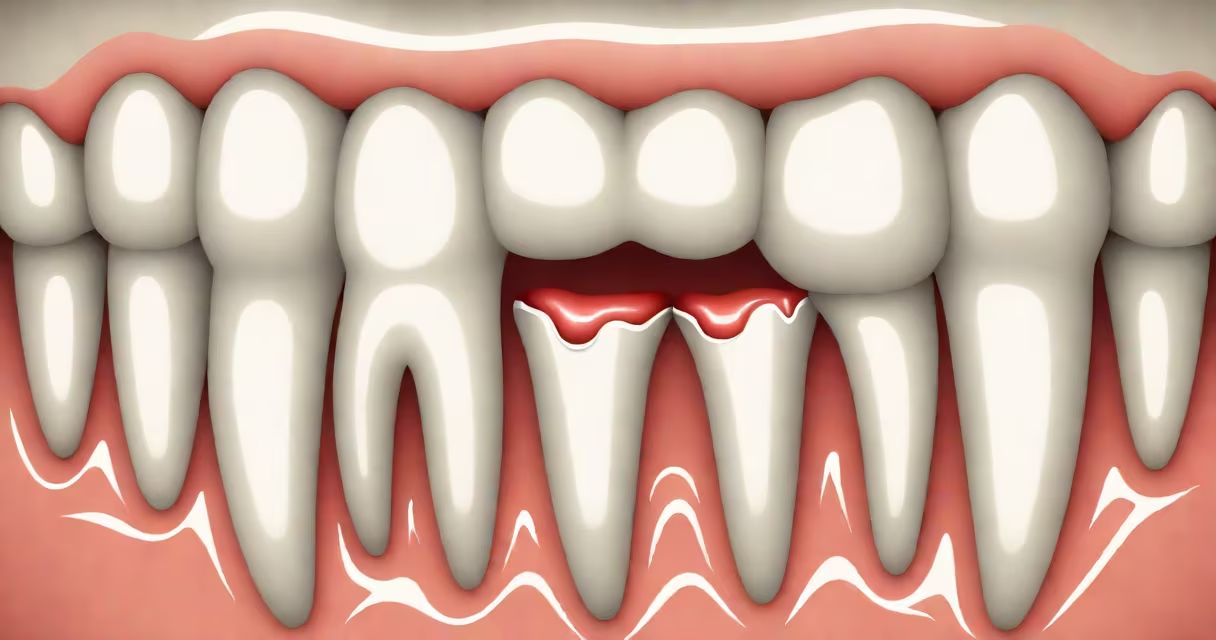
Recurrent cavities result from persistent acid attacks on tooth enamel caused by plaque bacteria feeding on dietary sugars. This process, known as tooth decay, occurs when oral pH drops below 5.5, dissolving minerals in enamel. Without consistent removal of plaque and protective measures like fluoride, decay progresses to form holes in teeth.
Cavities develop when bacteria in dental plaque metabolize fermentable carbohydrates-especially sucrose-into acids. These acids dissolve calcium and phosphate from tooth enamel over time. The process begins with demineralization, visible as white spots on teeth. If unchecked, it advances to enamel breakdown, forming a cavity. Once the decay reaches the dentin layer beneath enamel, pain and sensitivity typically appear.
According to the Centers for Disease Control and Prevention (CDC), nearly 1 in 4 American adults aged 20-64 have untreated tooth decay. The National Institute of Dental and Craniofacial Research (NIDCR) reports that children and adolescents are particularly vulnerable due to higher sugar intake and inconsistent brushing habits. These statistics show that recurrent cavities are not rare-they're preventable with correct daily routines.
Plaque forms within 20 minutes after eating sugary or starchy foods. Bacteria such as Streptococcus mutans thrive in this biofilm, producing lactic acid that erodes enamel. Saliva normally neutralizes acidity and remineralizes enamel, but frequent snacking overwhelms this natural defense. For example, sipping soda throughout the day keeps oral pH low, allowing continuous acid exposure.
A single episode of acid exposure lasting 20 minutes can initiate mineral loss. Repeated exposure prevents recovery. A study published in the Journal of Dental Research found that individuals who consumed sugary drinks more than twice daily had 3.5 times higher cavity rates than those who limited intake to once weekly.
Even brushing twice daily doesn't fully protect against cavities if technique is poor. The American Dental Association (ADA) notes that 60% of people brush for less than two minutes, missing key areas like the back molars and gumline. Proper brushing requires 45-degree angled strokes on all tooth surfaces for at least two minutes, using fluoride toothpaste.
Sugar is the primary fuel for cavity-causing bacteria. But not all sugars are equal. Sucrose (table sugar) is especially harmful because it's easily converted into sticky glucan, which strengthens plaque and anchors bacteria to teeth. Fructose and glucose contribute too, but sucrose's role in biofilm formation makes it uniquely damaging.
Some people assume they don't consume much sugar, yet still get cavities. Hidden sources include processed foods like ketchup, bread, and flavored yogurt. A single serving of flavored yogurt can contain 12 grams of added sugar-equivalent to three teaspoons. Even fruit juices, despite being "natural," deliver high sugar concentrations without fiber to slow absorption.
Another overlooked factor is dry mouth. Saliva washes away food particles and buffers acids. Reduced saliva flow increases cavity risk. Medications like antihistamines, antidepressants, and blood pressure drugs often cause xerostomia (dry mouth). The NIDCR estimates that 1 in 10 Americans experiences medication-induced dry mouth, raising their cavity rate by up to 40%.
Cavities form in different locations based on anatomy and behavior. Proximal cavities occur between teeth, often missed during brushing. They're common in people who floss infrequently. Smooth surface cavities develop on the flat sides of teeth and progress slowly. Root cavities affect exposed tooth roots, especially in older adults with receding gums.
| Type | Location | Common Cause | Prevention Tip |
|---|---|---|---|
| Proximal | Between teeth | Food trapping, poor flossing | Floss daily with floss threader if needed |
| Smooth Surface | Front and side tooth surfaces | Chewing gum, sticky snacks | Use fluoride toothpaste, limit sticky sweets |
| Root | Exposed root surfaces | Gum recession, dry mouth | Use desensitizing fluoride rinse |
One non-obvious fact: chewing sugar-free gum after meals can reduce cavity risk by up to 30%. The act stimulates saliva flow, which helps neutralize acids and wash away debris. The ADA recommends chewing gum containing xylitol, a natural sweetener that inhibits S. mutans growth. A 2018 clinical trial showed participants who chewed xylitol gum twice daily had 25% fewer new cavities over 18 months compared to controls.
White spots on teeth aren't always early cavities. They can indicate enamel hypoplasia-a developmental defect where enamel didn't form properly. This condition often appears in children whose mothers had nutritional deficiencies during pregnancy. Unlike early decay, hypoplastic spots don't progress with diet changes and require cosmetic treatment, not fillings.
Some people confuse tooth sensitivity with cavities. Sensitivity may stem from worn enamel, cracked teeth, or aggressive brushing. Using a soft-bristled toothbrush and desensitizing toothpaste can resolve this. If pain persists, a dentist must rule out a crack or nerve exposure.
I once observed a patient with multiple cavities who reported brushing twice daily and avoiding candy. Upon examination, she used a hard-bristled brush and applied excessive force. Her enamel was worn down, exposing dentin. She wasn't getting cavities-she was experiencing abrasion. After switching to a soft brush and proper technique, her sensitivity resolved in six weeks. This case shows that symptoms can mislead even well-informed patients.
Fluoride remains the most effective tool for preventing cavities. It strengthens enamel and reverses early demineralization. The CDC confirms that fluoridated water reduces tooth decay by 25% in children and adults. If your tap water lacks fluoride, use fluoride toothpaste and consider professional fluoride varnish treatments every six months.
For those with recurring cavities, dentists may recommend sealants-thin plastic coatings applied to molar grooves. Sealants block bacteria from accessing deep pits where brushing can't reach. The ADA states that sealants reduce cavity risk by 80% in molars for up to four years.
When a cavity forms, prompt treatment prevents further damage. Untreated cavities can lead to abscesses, tooth loss, or systemic infection. Fillings restore structure and function. In severe cases, crowns or root canals may be needed. Early intervention saves time, cost, and discomfort.
Understanding why you get so many cavities starts with identifying personal triggers-diet, hygiene routine, medications, or genetics. Addressing these factors reduces future risk. Regular dental checkups every six months catch problems early. With consistent care, you can stop the cycle of decay.
If you're concerned about your dental health, consult a licensed dentist. They'll assess your risk factors and recommend tailored prevention strategies. You don't have to live with frequent cavities-many people improve within three months of adjusting habits.