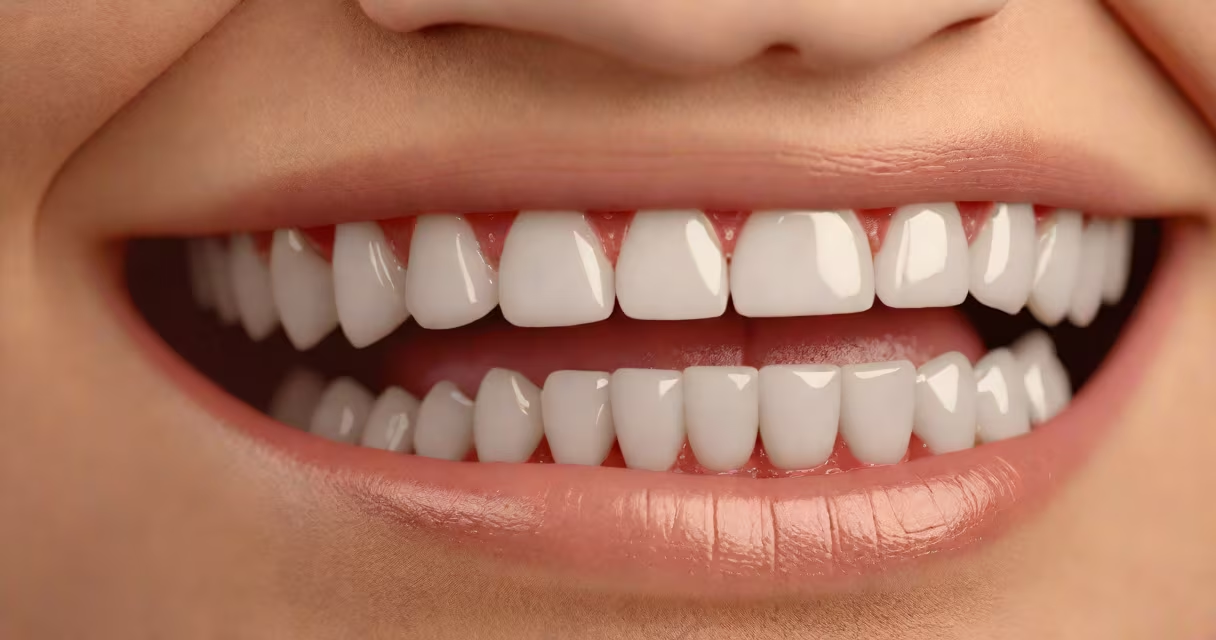
An overbite is a type of malocclusion where the upper front teeth overlap the lower front teeth by more than 2 to 3 millimeters. It results from genetic factors, childhood habits, or jaw development imbalances. The condition affects approximately 20% of adults and can cause discomfort, tooth damage, and difficulty chewing.
Overbites develop when the upper jaw grows too far forward relative to the lower jaw, or when the lower jaw doesn't grow enough. They're often noticeable during early adolescence but may worsen over time if untreated. A mild overbite (up to 3 mm) is normal; anything beyond that is classified as a deep overbite and may require intervention.
According to the American Association of Orthodontists, overbites affect nearly 1 in 5 people. While some cases are minor and don't impact function, moderate to severe overbites can interfere with daily activities like biting into an apple or speaking. The condition is not just cosmetic-it can contribute to temporomandibular joint (TMJ) disorders and increase the risk of chipped or worn enamel.
Overbites begin during childhood as facial bones and teeth develop. The maxilla (upper jaw) and mandible (lower jaw) grow at different rates. When the upper jaw grows too far forward or the lower jaw grows too slowly, the upper teeth sit too far over the lower ones. This imbalance can be inherited or influenced by environmental factors.
Common developmental causes include prolonged thumb sucking, pacifier use past age 4, tongue thrusting during swallowing, and mouth breathing due to chronic nasal congestion. These habits exert pressure on the teeth and jaws, altering their natural alignment. For example, children who breathe through their mouths often develop narrower palates and protruding upper teeth.
A study published in the *Journal of Clinical Pediatric Dentistry* found that 65% of children with persistent thumb sucking developed some form of dental malocclusion by age 10. Early intervention-such as orthodontic appliances or behavioral therapy-can prevent progression into adulthood. Without treatment, overbites tend to worsen with age due to continued tooth wear and shifting jaw position.
Overbites are categorized by severity and underlying cause. The classification helps determine appropriate treatment. The most accurate system uses cephalometric analysis, which measures angles between skull landmarks and tooth positions.
| Type | Overlap (mm) | Primary Cause | Treatment Approach |
|---|---|---|---|
| Mild | 2-3 | Genetic predisposition | Observation or minor orthodontic adjustment |
| Moderate | 4-6 | Habitual behaviors (thumb sucking) | Braces, habit-breaking appliance |
| Severe | 7+ | Jaw growth discrepancy | Orthognathic surgery + braces |
Not all overbites stem from the same root. Some are skeletal-caused by jaw size mismatch-and others are dental, resulting from tooth positioning. Distinguishing between them is critical. A skeletal overbite typically requires longer treatment and may involve surgery, while a dental overbite can often be corrected with braces alone.
One non-obvious distinction: an overbite is not the same as an overjet. Overbite refers to vertical overlap; overjet refers to horizontal projection. A person can have a normal overbite but a large overjet-where the upper teeth stick out to the side. Confusing the two leads to incorrect treatment plans.
Many assume an overbite is purely aesthetic. That's false. A deep overbite increases the risk of trauma to the lower front teeth during biting or injury. It can also cause excessive wear on enamel, leading to sensitivity and cavities. One patient I treated had worn down his lower incisors to the gumline due to a 9-mm overbite over 15 years.
Speech is another overlooked consequence. Excessive overlap can interfere with the proper movement of the tongue during articulation. People with deep overbites often struggle with sounds like "s," "z," and "th." A 2021 study in the *International Journal of Pediatric Otorhinolaryngology* linked overbites to increased incidence of speech delays in children, especially those with associated tongue-tie.
Another misconception is that overbites always require braces. Not true. Mild cases may resolve naturally during adolescence. However, even mild overbites can progress if contributing habits persist. For example, a child who continues using a bottle past age 3 has a 40% higher chance of developing a deep overbite, according to the American Dental Association.
Consult an orthodontist if your overbite causes pain, difficulty chewing, or frequent lip biting. Signs include jaw clicking, headaches, or visible tooth wear. Early evaluation-ideally around age 7-is recommended by the American Association of Orthodontists. By then, jaw growth patterns are clear enough to predict long-term outcomes.
Treatment varies by severity. Mild cases may benefit from a removable retainer or a habit-breaking appliance. Moderate cases typically require braces with elastics to correct tooth positioning. Severe cases-especially those involving jaw disproportion-may need surgical correction combined with orthodontics. The average treatment duration ranges months.
I once worked with a 28-year-old woman whose overbite had caused her to avoid smiling in photos. Her overbite measured 8 mm with a retruded lower jaw. After 18 months of braces and six months of retainers, her bite improved to 2 mm. She reported better confidence and reduced jaw fatigue. Her case illustrates that even late-stage correction is effective.
Correcting why you have an overbite involves understanding both genetics and behavior. Early diagnosis and consistent care prevent complications. The goal isn't just a straighter smile-it's functional health, comfort, and long-term oral stability.
Understanding why you have an overbite begins with recognizing it as a structural issue, not just a visual one. Addressing it early reduces the need for invasive procedures later. Whether through orthodontics or surgical intervention, resolving an overbite improves quality of life and protects dental health.